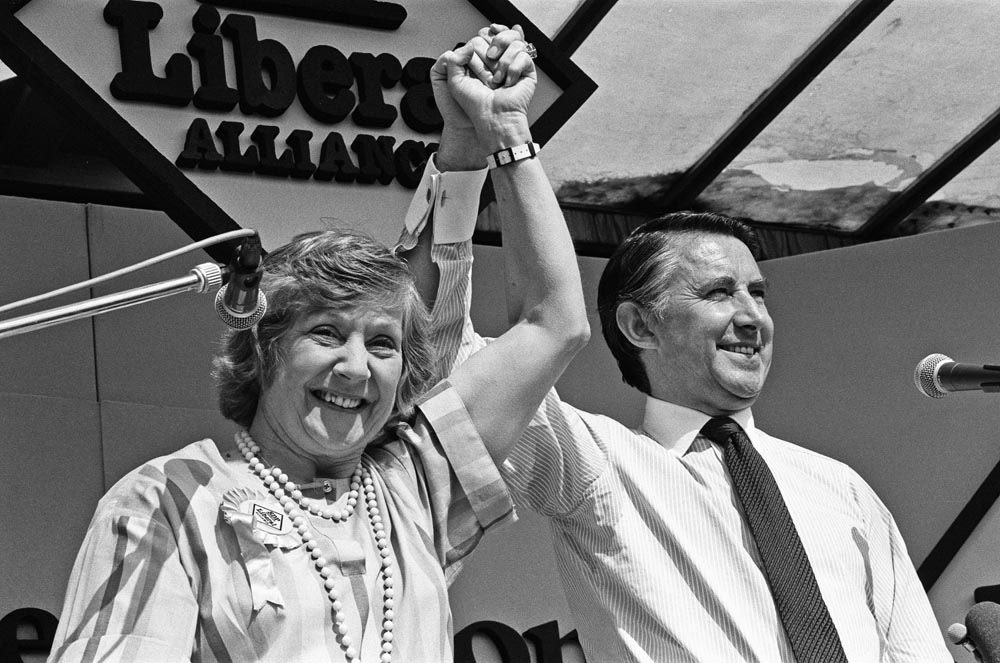
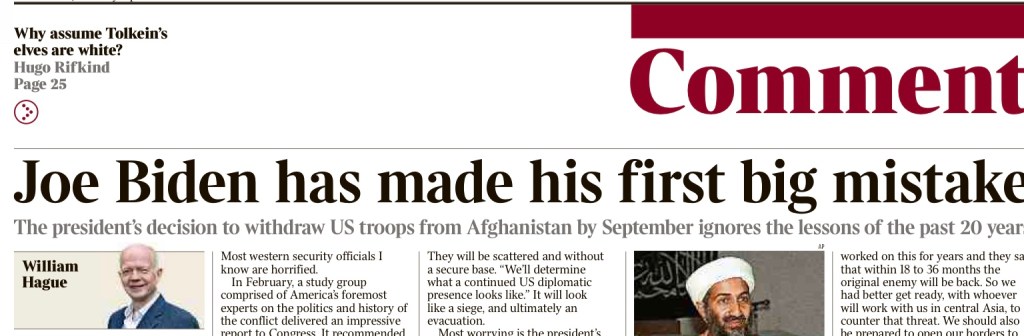
Danny Finkelstein, writing in The Times today, says “…in any sort of democracy you need the centre in order to win.” Danny, like me, was once a member of the SDP. Our numbers are declining, sadly, and we lost Shirley Williams one of our founders recently. But the hard core of our principles lives on – though sometimes you have to dig a bit to find it. In essence the SDP eschewed the extremes of Left and Right, and if you do that you end up in the Centre.
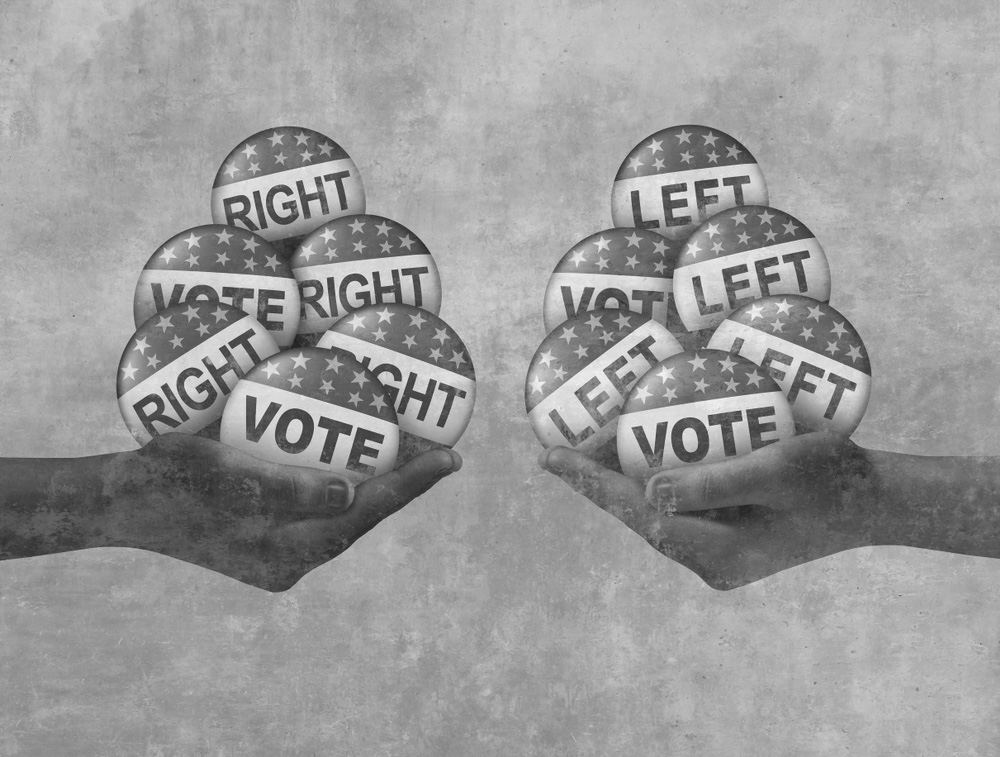
But centrism isn’t an ideology it’s a consequence of the rejection of extreme ideologies. For much of my lifetime this centrism has been in power. Attlee, despite his public ownership priorities, was a centrist at heart. A moderate social democrat. The administrations after Attlee – Churchill and Eden – were confused by the dying of Empire and were largely domestically indolent. But once they had faded away we had a moderate One Nation Tory in Macmillan – classic SDP material was SuperMac!
Wilson and Callaghan were Social Democrats threatened by the ideologies of the Footite and Bennite Left. Whilst these wild men briefly held sway in Labour the door swung open for the formation of the SDP, not least because Margaret Thatcher had triumphed, from the Right, over the One Nation Tories in the Blue Corner.
The SDP in alliance with the Liberal Party really did come briefly close to breaking the mould. It’s greatest achievement was to set in motion the return to social democracy in Labour. New Labour was the SDP in all but name. Centrism is pragmatic liberal government. Arguably it was in Government from 1945-1979 and from 1990-2015. You can quibble about the Major and Cameron Coalition governments – but they were not the Hard Right of Thatcher or the even harder Right of Johnson.
There’s a gap for the return of pragmatic liberal government as big now as in the 1980s. And an urgent need for Labour overtly to re-embrace Social Democracy again. And it would be good if the One Nation Tories could re-emerge from the shadows again as well.