The liberal foundations are wobbling

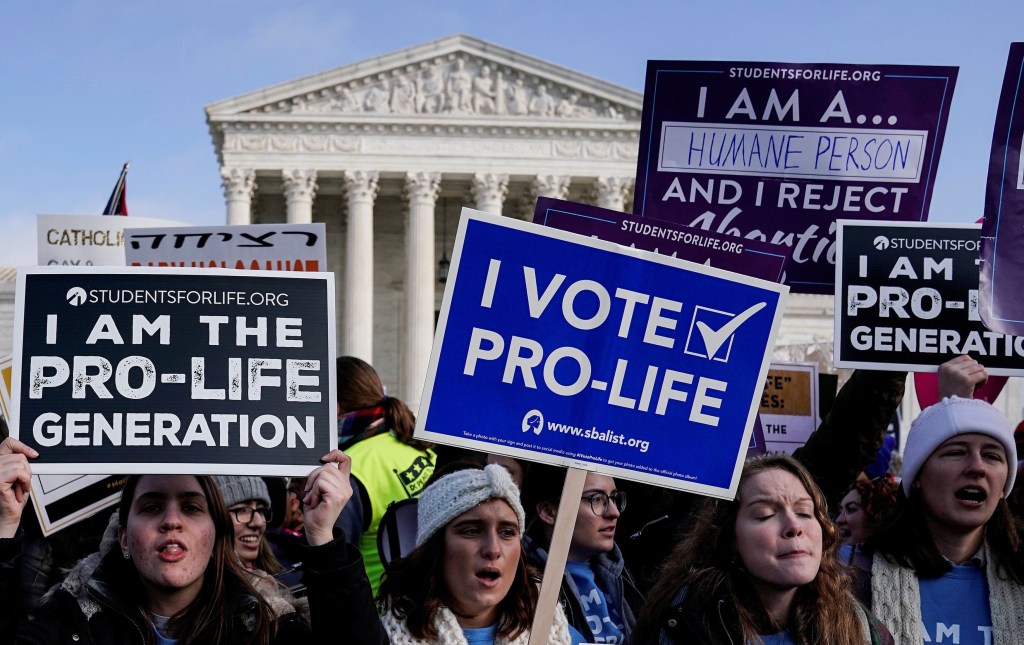
There is a splendid article in The Times today by David Aaronovitch about the threat to a woman’s right to choose an abortion in the United States. To those of my early baby boomer generation this is sad as well as shocking. More evidence that the liberal foundations we thought we’d help build 50 years ago are wobbling.

Liberalism under attack

As students in the 1960s we protested against a number of iniquities and eventually won, or thought we had. The Vietnam War. The Death Penalty. Civil Rights. Gay Rights. Apartheid. Abortion reform. I don’t think that I took to the streets on all of them, but on some I did.

Then a little later I was an activist in favour of unity in Europe. By 1975 I had joined Edward Heath and Roy Jenkins in campaigning in favour of Britain taking a definitive and final decision to be an active member of the European Community. We won that one as well. For me the model in all this was Tony Crosland who had argued that the “Future of Socialism” lay in Social Reform and internationalism not nationalism and ideology driven public ownership.

Jenkins was to be the political leader par excellence for this liberal and social democratic revolution. The reforms, including on Europe, I mention here seemed final at the time. Opponents of change didn’t go away – we even had more debates on capital punishment in parliament for a while after abolition. But the ground seemed to have shifted and there was no turning back. But reaction and bigotry never goes away it seems.

Abortion has not gone away as a battleground. The decision we took to respect a woman’s freedom of choice is under threat again. 😱

If there are to be limits to Freedom of Speech who decides ?

Cancel culture” is a trite and unhelpful descriptor suggesting that there is an organised movement to deny the past. Culture Secretary Oliver Dowden used the phrase recently in his faux-patriotic “I am proud of my country’s history” article in The Times. It was pure populist bombast.

Like “Woke” the “Cancel Culture” phrase is used only abusively in an insulting context. It is largely meaningless because of its all-pervasive generality. The question is not “should the views of “X” (insert name of polemicist of your choice) be heard” but “ Is it legal to express these views in public”.

Limits to “Freedom of Speech” ? Who decides?

The film “Denial” about Holocaust denier David Irving was a masterpiece as a depiction of the strengths and weaknesses of Freedom of Speech. What Irving had said and written was in Britain not illegal. He had the legal right to express these views abhorrent though they were. Some other countries make Holocaust Denial a crime, we choose not to. Irving was peddling lies, but what if someone you don’t like is peddling truths or has opinions you’re uncomfortable with ?

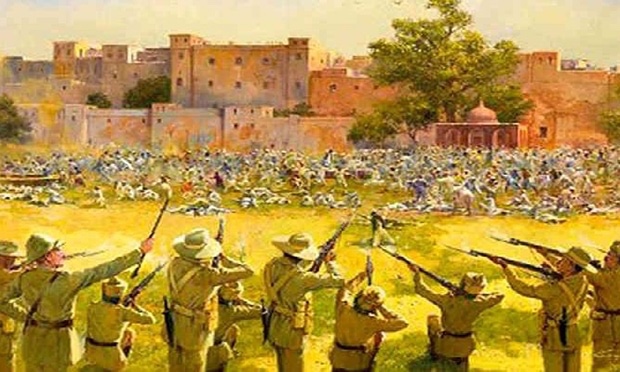
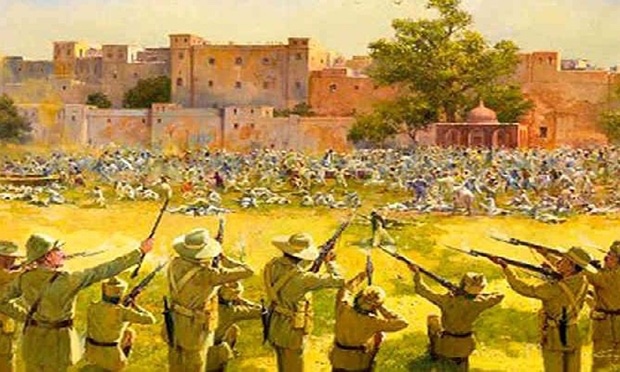
The 1919 Amritsar massacre

Back to Mr Dowden. It’s pretty clear that he thinks it’s improper to tell uncomfortable truths. So if we tell the truth about one of the horrors of Empire, like Amritsar, there is like to be a call for “balance”. Otherwise we are unpatriotic. There is no contentious subject today where someone won’t lie about it. Truth has many faces, but surely freedom of speech should illuminate it. Banning debate turns the lights off.

Don’t assume that we are all motivated primarily by the need for ever more wealth and power

Laura Freeman writes engagingly about the life choices of Generation Z in The Times today. As someone who is comfortably more than twice the age of the author I am unapologetically part of the Baby Boomer lucky generation. Once vaccination had sorted the risk of polio and other nasties in the early 1950s my prospects for a long life were good. My schooling was sufficiently good for me to be the first in my family to get a degree and employment opportunities were, if not unlimited, not that restricted.

So then it came down to ambition. It never occurred to me to try and be rich, I did want to be fulfilled though. A 40 year career with a multinational did the fulfilment bit. The money was good along the way – not “fat cat” good but there were never wolves at the door.

My motivation all along was job satisfaction. On one occasion I chose a job that was technically a demotion because it was so interesting. On another I chose a very challenging assignment overseas where I would have to work in a language I didn’t speak. Foolhardy ? Maybe a bit. Fulfilling? You bet !

I mostly worked 40 hour weeks, though as an ex-pat from time to time this was difficult. I never quite got the need for a good work/life balance – if you enjoy your job why would you worry if it impinges upon your non work life a bit? I always needed to be stretched and rarely repeated myself. A new challenge was always available it seemed.

I was never a head honcho at the highest level. I didn’t have that ambition and nor did I have the the drive for power and wealth that many who “made it” did have. Yes I was lucky that my more modest achievements matched my modest ambition. And that I was well paid to do jobs I always enjoyed. Never once did I look for nor accept a job I didn’t want to do – even if the promotion would move me a step up the ladder.

My career is not a model for anyone and I was lucky that my opportunities were not limited by my slightly perverse approach. It may not be the same today – it probably isn’t. But employing organisations should not assume that we are all motivated primarily by the need for ever more wealth and power.

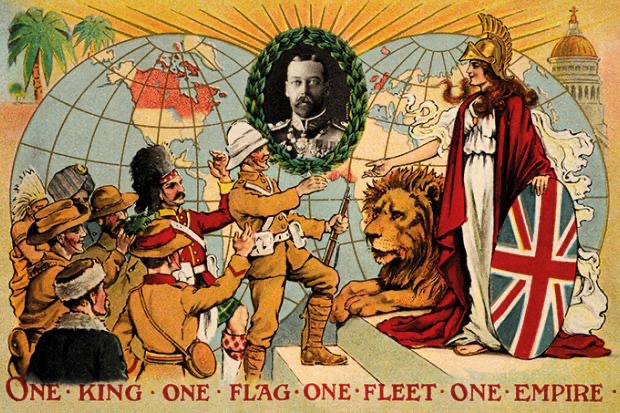
Oliver Dowden is trapped in a faux-patriotic and simplistic view of Britain’s past – as he confirms in the opening sentence of his Telegraph piece: “I am proud of our nation’s heritage”

Writing in the Daily Telegraph Culture Secretary Oliver Dowden says that the Government “…won’t allow Britain’s history to be cancelled”. His argument is critical of the “Cancel Culture” whereby (in his words) “… a small but vocal group of people claim to have a monopoly on virtue and seek to bully those who disagree”.

Mr Dowden argues that it is “right that we reassess and interpret events as our understanding evolves” and that we should tell “… a balanced, nuanced and academically rigorous story – one that doesn’t automatically start from a position of guilt and shame and denigration of this country’s past”.

The problem with all this is that the past, foreign country that it is, is open to interpretation and the process of reassessment, as Dowden calls it, will lead people, including historians, to different conclusions. The British Empire, the subject of much of the “Cancel Culture” debate, especially. Niall Ferguson, seen by many as a historian of the Right, concluded in his 2003 history “Empire” that the “… British sacrificed her Empire to stop the Germans, Japanese and Italians from keeping theirs. Did that sacrifice alone expunge all the Empire’s other sins”. The answer to Ferguson’s question is, of course, emphatically “No it didn’t”!

Amritsar

Ferguson is very much relevant to the “Cancel Culture” debate. His description of the 1919 Amritsar massacre, one of Empire’s darkest hours, cannot be faulted. It is neither defensive nor lacking in accuracy. He tells it as it was and further draws interesting parallels with Ireland saying that Amritsar was “India’s Easter Rising, creating nationalist martyrs on one side and a crisis of confidence on the other”. Both examples of Imperial excess defy Dowden’s call for balance. If we do not have “guilt and shame” about them (along with countless other Imperial horrors) we are either ignorant or deluded.

Niall Ferguson’s historian’s instincts also allow him to venture into territory that I suspect Mr Dowden would shudder to consider. Between the wars in Britain, in part fuelled by India’s call for Independence as well as Ireland’s fight for freedom, there was “anxiety” about the Empire. However, Ferguson reveals. There was “one man who continued to believe in the British Empire” and who praised the British for “…holding the reins so lightly withal, that the natives do not notice… I claim that the English have governed India very well…”.    That man was not, as you might think, Winston Churchill but Adolf Hitler writing in Mein Kampf! James Baldwin said that “People are trapped in history and history is trapped in them”. In criticising the “Cancel Culture” Oliver Dowden seems to me to be wanting a distorted view of history to be promulgated, whatever he may try and say to the contrary. He himself is trapped in a faux-patriotic and simplistic view of Britain’s past as he confirms in the opening sentence of his Telegraph piece: “I am proud of our nation’s heritage”.

In the main proper historians do not do “pride”. Pride is subjective and partisan and if you try and write history with those things as your drivers you do not do history – you do propaganda. If Oliver Dowden genuinely wants, as he claims, to “expand the conversation” about our heritage I have a serious tip for him. Create an extensive, academically robust, nonpartisan museum of the “British Empire”. Let the historians report on the facts of our Imperial history warts and all. Tell the story as it was not as you might want it to be. This is not an argument for political correctness or for peddling self-regard. It’s an argument for truth. I agree with Dowden that “totalitarian moral certainty” is a bad thing. But much of it at present emanates from him and people like him who seem to want to hide forever behind the pomp and the circumstance of our past and the Union Flag.  

Freedom of Movement is about about cultural sharing and learning as well as the economic benefits

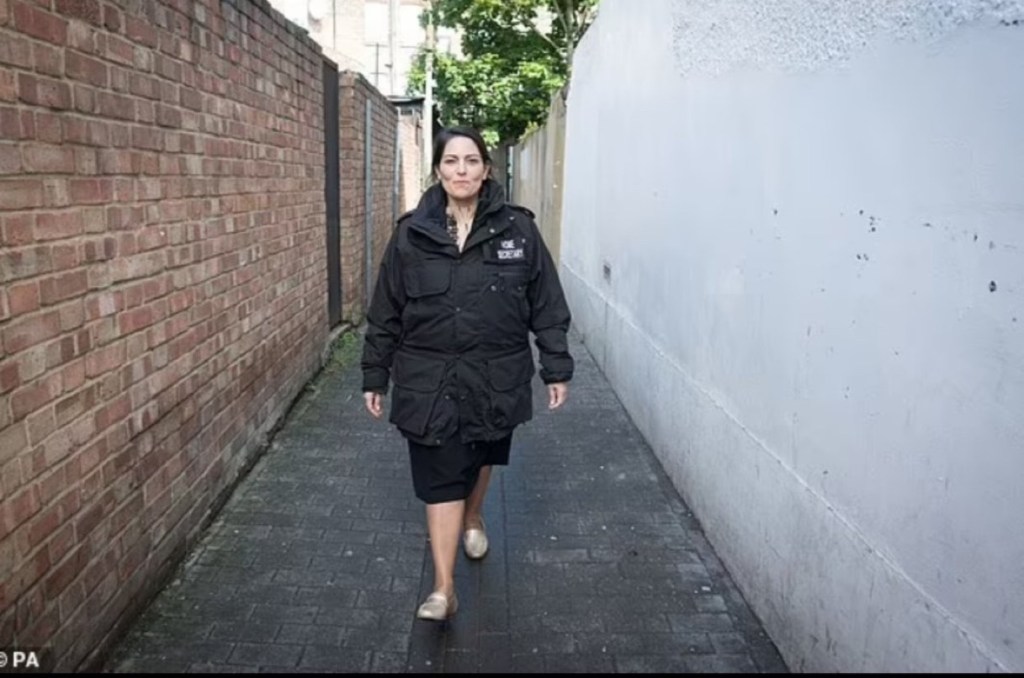
James Kirkup in The Times today tries to argue that Priti Patel is “winnng the argument on immigration”. Well maybe she is but any argument this most illiberal of Home Secretaries wins is a cause for concern.

The most squeamish Brexiteers (there are a few) like to claim that the “Leave” vote was primarily about “Sovereignty”. They do this, of course, because it absolves them from telling a truth they find uncomfortable. The truth is that Brexit has happened because the forces of intolerance, nationalism and xenophobia outvoted the forces of economic logic, internationalism and openness. Little England triumphed.

Freedom of Movement in Europe is so beneficial that even as distinctly an individualistic nation as Switzerland has embraced it although it is not even an EU member.

Many of us had long since thought ourselves European, were proud that we were European citizens and took advantage of the status. And we welcomed the thousands of citizens from other European countries who came to live and work amongst us. Some were immigrants, some guest workers. All from the Polish plumber to the Italian anaesthetist, the Slovakian waitress to the Dutch geologist enriched our lives.

An important point missed here, and comprehensively missed by the fatuous “points based” system being introduced, is that freedom of movement is about so much more than just the “qualifications” of the potential immigrant or guest worker. It’s about cultural sharing and learning. The narrower and more inward looking we are the less effective in all aspects of our lives we become. That’s one of the reasons we like to travel – or it is for those of us who see travel as being about more than lying on a sun lounger.

We need an education revolution if we are serious about “Levelling up”

Funding of education is certainly a problem, but far more important is the lack of consistency across our education system as a whole. We have a plethora of types of schools and, inevitably, of teaching and learning as a result. The teaching profession battles hard to raise the standards everywhere, but the postcode lottery remains.

The core problems include the anachronistic preponderance of faith schools. Education should be secular – the place for religion is in the home and church and mosque not in the classroom. Next find a way to raise standards by incentivising teachers to work where the need to level up is greatest. At present many of the best teachers go into the private sector where the money is. Pay them more , much more, to work where the educational challenges are greatest.

We have a government where 65% of the cabinet went to independent schools. Frankly the difference between the education offered to the 7% in the private sector and the rest is enormous and socially divisive. Can a cabinet like the one we have understand that ? 

Independent schools set a high standard in teaching and facilities – the state sector should aspire to do the same. Equality of opportunity starts at the schools, or should. But in fact it’s privilege that begins on the playing fields of the independent schools – many state schools don’t even have playing fields. And the housing market is skewed by education with property commanding premium prices in areas with better schools. Money buys advantage throughout our society, and especially in education.

A simple , maybe too simple, goal definition for educators is to release the full potential of their pupils. Of course these pupils vary in ability and attitude. But a good school with good teachers will measure the capabilities of their pupils and adapt their teaching accordingly. Mixing academic focus for the brightest with more practical teaching for those with more limited exam-passing potential makes sense.

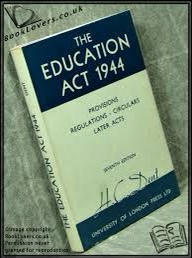
The Education Act of 1944, a “triumph for progressive reform,” genuinely predicated a good education for all. That lofty ambition has been watered down over the years as market forces have increasingly dictated the quality of teaching a child gets and church schools, madrassas and yeshivas have confused the need for learning with religious indoctrination.

We need an education revolution if we are serious about “Levelling up”. Indeed it is no exaggeration to say that if society is to change we need to start in the schools. It’s in part about funding, but it’s as much about attitude and understanding.

A statue to Apartheid apologist Rachel Heyhoe-Flint ? I don’t think so

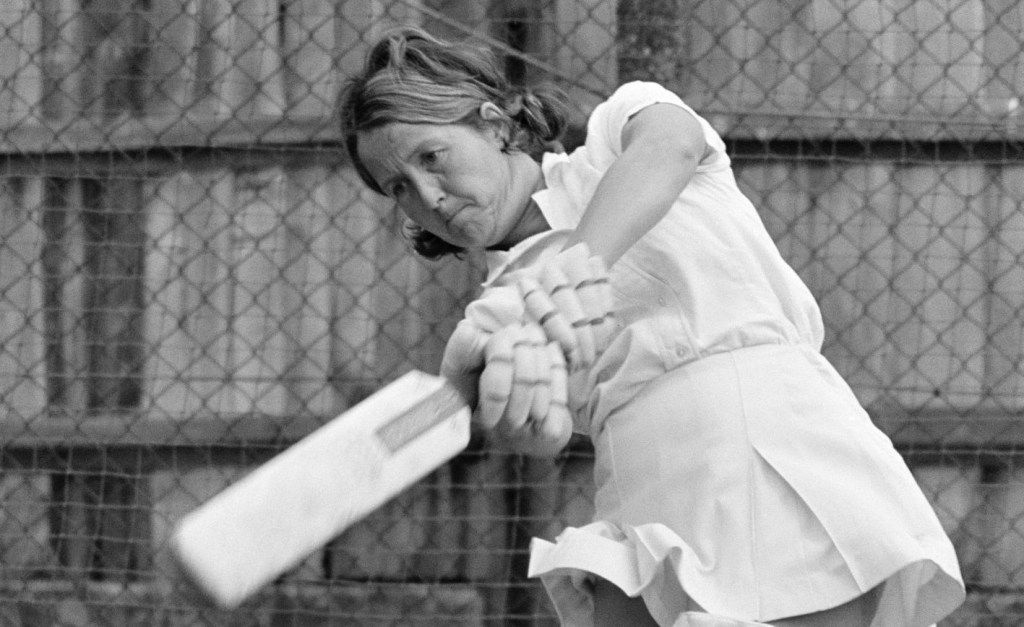
In The Times today Michael Atherton argues that Rachel Heyhoe-Flint should have a statue at Lord’s. For once I don’t think that Athers has thought this through.

It was in 1963 that CLR James, adapting Kipling, asked the question “What do they know of cricket who only cricket know?” That quote illustrated perfectly the dilemma once faced by cricket lovers about South Africa. In 1960, with Apartheid firmly in place, Rachel Heyhoe had been a member of an English women’s team touring the country. In her autobiography she revealed that the tourists had been warned “…to make absolutely no comment on the ‘racial issues’ (sic) in the country)”. Black spectators were banned at the matches and the coaching the English women did was only for the whites. The British Women’s Cricket Association (WCA), in which Rachel played a significant role for many years said that the 1960 tour “engendered goodwill”. Not with black South Africans it didn’t !

Rachel Heyhoe-Flint

Rachel obeyed the rules in 1960 but by 1978 when her memoir was published, she revealed her true feelings “[I] retained the view that it was their country, and hardly the place of any English people to criticise”. This was a naïve even offensive remark, not least because it was made ten years after the D’Oliveira Affair and seven after South Africa had been banned from all international sport.  

Rafaelle Nicholson, a historian of Women’s cricket, has written that “in the build up to the D’Oliveira Affair, it was the women’s cricket community who continued to wholeheartedly to embrace South Africa.”  The WCA was in the forefront of this, and Rachel Heyhoe played a significant part as player and later administrator.  In 1968 once MCC cancelled the men’s tour to South Africa over D’Oliveira the WCA followed suit cancelling their own planned cricketing stopover. Nicholson writes further “Several members of the [WCA] Executive Committee had wanted to go ahead with the stopover… but had been outvoted. Presumably, this included England Captain Heyhoe-Flint, who told The Times that she was “very disappointed”.

Rachel’s position on Sport and Apartheid was made crystal clear in her autobiography “[if] the British Government consider it their duty to register their disapproval of South African policies I suggest they cut off every contact with them, including banking and trading links. For, as things stand, sport is merely being used as a political lever. Who are we, in any case, to tell the South Africans how to run their country”?

Rachel’s posture on South Africa, including her participation with many luminaries of the world of cricket to try and ensure that the planned 1970 men’s tour took place, was unequivocal. Her position was a cricket establishment one and many joined her in the “1970 Cricket Fund” which was to pay for security to allow the games to take place. Those in cricket who opposed to the tour, most notably Mike Brearley and the Rev. David Sheppard, were in a minority.

The moral high ground was with Brearley and Sheppard and history has proven them not Heyhoe-Flint and her fellow South Africa appeasers to have been right. Rachel unquestionably deserves the accolades she received for her active support for Women’s cricket and for opposing the discrimination against women at Lord’s and elsewhere. But I would have would have thought that the Life Peerage was enough.

A statue at Lord’s in these cancel culture times would be a provocation – but I oppose it not because it might be an activists’ target but because it’s a bad even offensive idea.

Boris Johnson is his own walking, talking unmade bed

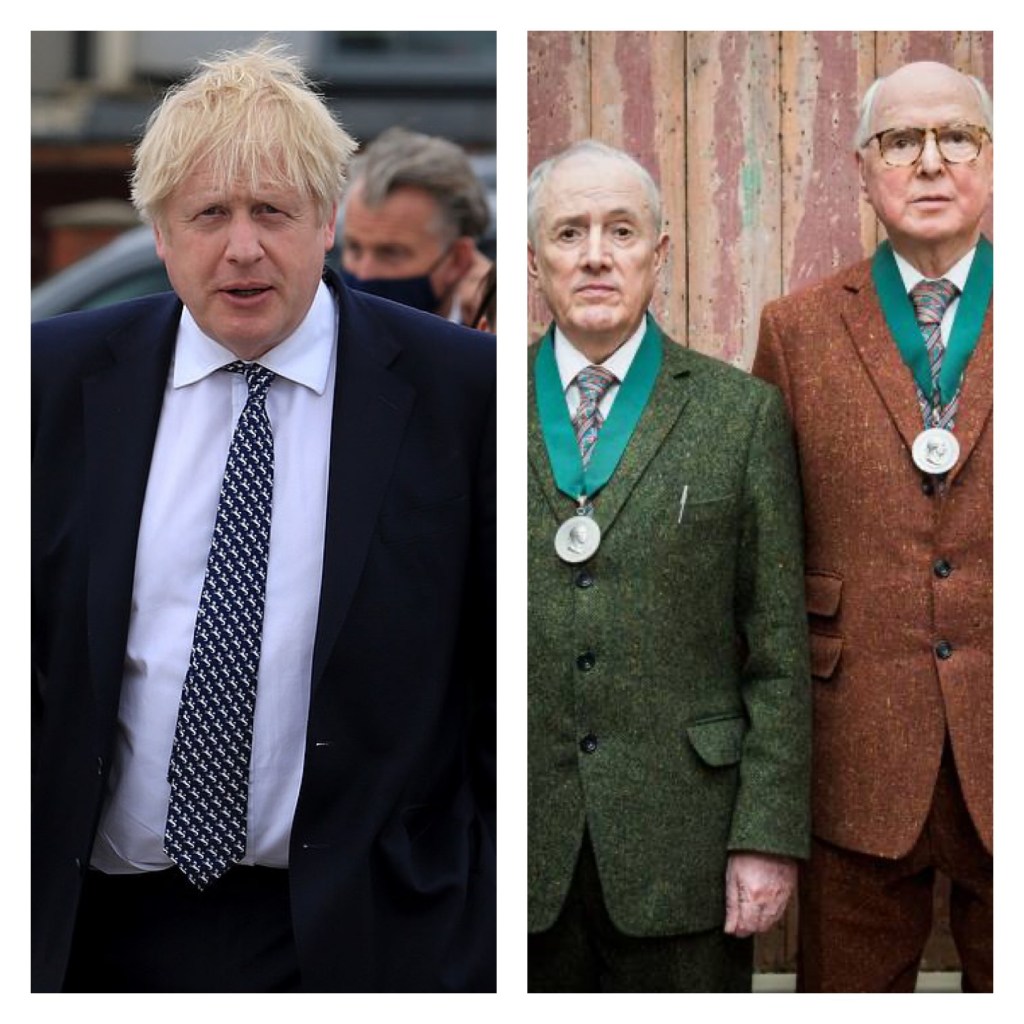
Quentin Letts in The Times today calls Boris Johnson the “Sultan of Insouciance” – he is a “sated sultan, wafted by punkahs, his belly glistening.” For me it’s performance art and Johnson is very good at it. It reminds me of Tracey Emin (featuring elsewhere in today’s Times). Nobody did it remotely like Tracey. Nobody does it remotely like Boris who is his own walking, talking unmade bed – the visible, shambolic manifestation of all the girls he slept with.

Artists in all genres are often eccentrics and sometimes not very nice. Politicians are often not very nice as well but rarely as creative or eccentric as their famous arty equivalents. Johnson has the same affection for bizarre imagery as Gilbert and George. Where they are Smart Camp he is ruffled testosterone.

Boris, Gilbert and George

“He’s a character” is a common view of the Prime Minister. That’s less trite than it sounds. We know that the great fictional “characters” – from Falstaff to Basil Fawlty – weren’t real but that they revealed something in all of us. Do I sometimes reveal a bit of my inner Ted Hastings fired with indignation? It’s more Father Jack in my case actually – “Feck, Girls, Drink”.

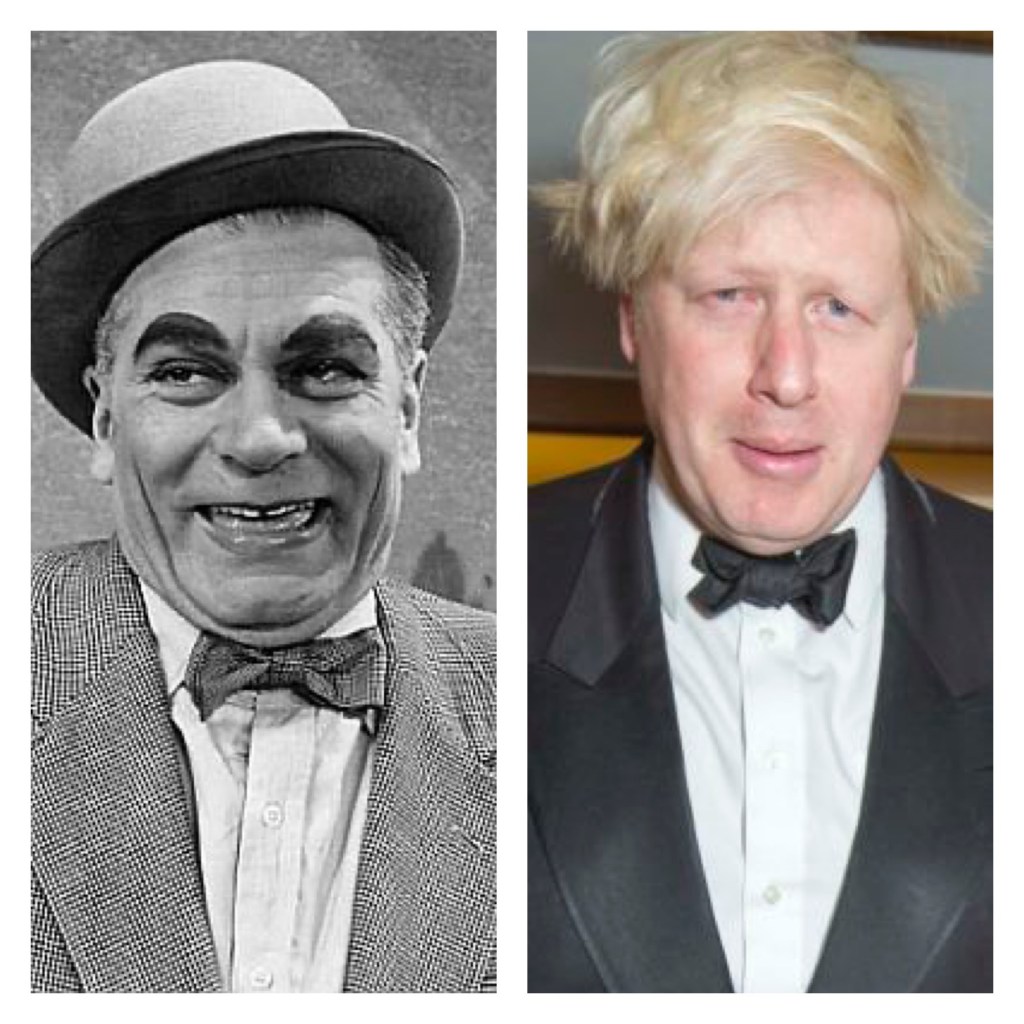
The great clowns must never be out of character. So Johnson doesn’t comb his hair before PMQs , he ruffles it more. Is it all a facade? I think no more than Olivier as Othello was a facade. The Boris character is fictional and you’d think only he can play it. How could it be otherwise? It is clownish but like all clowns Johnson does tragic as well. His Unique Selling Proposition is fraudulent bonhomie tempered by faux-sincere patriotic reverence. And we all fall for it time and time again .

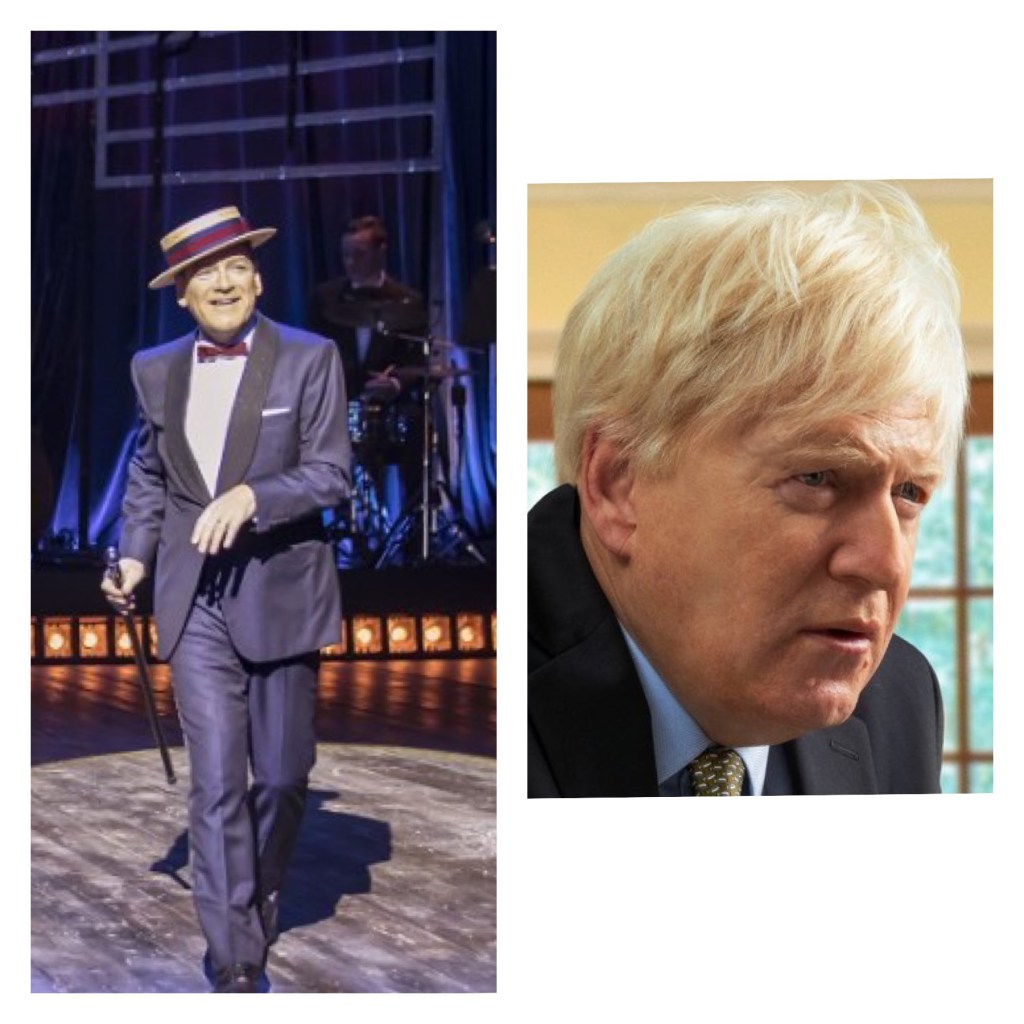
Kenneth Branagh will portray Boris Johnson in an upcoming drama “This Sceptred Isle”. If anyone can get into the character Ken is probably your man. Branagh was an excellent Archie Rice in John Osborne’s “The Entertainer” a few years ago. He played the failing Music Hall artist brilliantly. He should be able to play another.

Kenneth Branagh as Archie Rice, and Boris Johnson

There’s a gap for the return of pragmatic liberal government as big now as in the 1980s

Danny Finkelstein, writing in The Times today, says “…in any sort of democracy you need the centre in order to win.” Danny, like me, was once a member of the SDP. Our numbers are declining, sadly, and we lost Shirley Williams one of our founders recently. But the hard core of our principles lives on – though sometimes you have to dig a bit to find it. In essence the SDP eschewed the extremes of Left and Right, and if you do that you end up in the Centre.

There’s a gap…

But centrism isn’t an ideology it’s a consequence of the rejection of extreme ideologies. For much of my lifetime this centrism has been in power. Attlee, despite his public ownership priorities, was a centrist at heart. A moderate social democrat. The administrations after Attlee – Churchill and Eden – were confused by the dying of Empire and were largely domestically indolent. But once they had faded away we had a moderate One Nation Tory in Macmillan – classic SDP material was SuperMac!

Wilson and Callaghan were Social Democrats threatened by the ideologies of the Footite and Bennite Left. Whilst these wild men briefly held sway in Labour the door swung open for the formation of the SDP, not least because Margaret Thatcher had triumphed, from the Right, over the One Nation Tories in the Blue Corner.

The SDP in alliance with the Liberal Party really did come briefly close to breaking the mould. It’s greatest achievement was to set in motion the return to social democracy in Labour. New Labour was the SDP in all but name. Centrism is pragmatic liberal government. Arguably it was in Government from 1945-1979 and from 1990-2015. You can quibble about the Major and Cameron Coalition governments – but they were not the Hard Right of Thatcher or the even harder Right of Johnson.

There’s a gap for the return of pragmatic liberal government as big now as in the 1980s. And an urgent need for Labour overtly to re-embrace Social Democracy again. And it would be good if the One Nation Tories could re-emerge from the shadows again as well.

But get used to Little England alone – broken, bitter and unloved.

Rational man in a kilt would probably vote to stay in the U.K. Just as rational man in trousers voted to stay in the European Union. But these choices fail on the dimly lit backwaters where emotion outshines rationality.

Few of us build a spreadsheet when we vote. It’s gut feeling that dictates our choice. A majority of us bought the appeal to xenophobic prejudice peddled by the “Leave” campaign. Had we all had the ability and the inclination to think about the advantages of continued EU membership we would have decided to Remain. But we didn’t so , disastrously, we haven’t.

The concept of Great Britain is a fairly modern one. England, Scotland and Wales have a far longer history as independent countries and nation states than they do together in the artificial construct that is the United Kingdom. The same applies to the short-lived colony that was British Ireland.

The U.K. before Brexit and after Irish independence just about worked. The glory of the British Empire was very real to the Victorians who created and ran it. By most measures (except moral ones) The U.K. with its empire led the world. But the Empire drifted away , including John Bull’s other island across the water (a colony in all but name). Hanging on to six Irish counties because the sectarian Protestant bigots of the north spouted that they were British before they were Irish was a bloody disaster. But unity in the island of Ireland is surely rational man’s choice now.

Pre Brexit the U.K. , Ulster aside, had some logic. But devolution opened the wounds in Scotland and Brexit rubbed salt in them. Scottish nationalism was fed from Holyrood and the Scots having chosen to stay in the EU took umbrage when they were forcibly ejected against their will.They’ll be off – and for good reason.

Little England is already a reality in our mindset and before long it will be a nation state reality again. Back to normal really – cry God for Harry, England and St George. Keep your Union Flag as a quaint reminder of what was if you like. But get used to England alone – broken, bitter and unloved.