Sometimes there are tanks in the streets when the dictators take over but sometimes it is more stealthy. Gradually the basis of power shifts almost imperceptibly from democratic to totalitarian and the people only realise it by the time it’s too late to do anything about it.
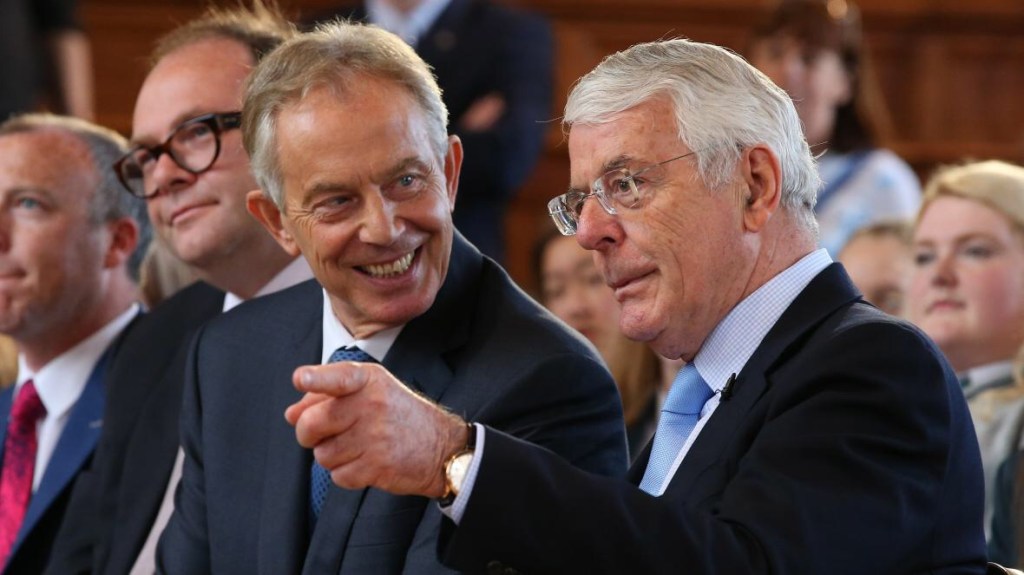
Tony Blair and Sir John Major – pointing to the guilty party
What Sir John Major and Tony Blair are responding to is one of these shifts. It’s not the first under Boris Johnson’s authoritarian governance of Britain and unless an earthquake happens it won’t be the last. And, as in Germany in the early 1930s, we the people brought it on ourselves. Sufficient of us decided in 2016 to choose to scapegoat the EU for imaginary evils to kick off Brexit. And then after three years of shambles last year a weary Britain gave the keys of a bulldozer to Johnson to “Get Brexit Done” – more fool us.
When the rule of law gets in the way of power dictators ignore the law. When the Courts decide a course of action is extra legal they ignore the Courts. The checks and balances inherent in proper democracy fail. The Conservative Party in the House of Commons is packed with sycophants some of whose public pronouncements are staggeringly dim – but they can be relied upon to stagger through the right lobby. Follow my Leader.
We are trapped in a maelstrom of hopelessness. We are victims of a coup and we are stuck for four more years without being able to do a thing about it. Governments with majorities of 80 don’t fall. Boris Johnson may fall off the deck but someone equally, but differently, ghastly will replace him. And Dominic Cummings will still be casting his spells and stirring his cauldron.
Before the 2019 General Election two separate wings in the Conservative Party in Parliament were discernible except that they weren’t called “Internationalist” and “Libertarian” (James Forsyth in The Times today) they were called “Remainers” and “Leavers”. The former were culled in various nights of the long knives and only the latter were left. They were all “Leavers” now.
Michael Howard showed yesterday that the issue over whether Britain honours the obligations of a recently signed treaty is not about Brexit, it’s about the law. So if the Government continues on its current path a vote in Parliament on the Tory side will divide between sycophants and those with a sense of their duty as a representative of the people. The sycophants are likely to win and the rebellion will be minuscule.
We no longer have an elective democracy we have an emerging dictatorship. Power resides in some shady corners and is exercised by unelected chancers and by barely qualified yes men and yes women. When was the last time an incompetent Minister resigned ? It is generally recognised that we have the least competent Cabinet of modern times at a time when we are wrestling with some of the most challenging governance issues in our history. The perfect storm of disaster is with us.
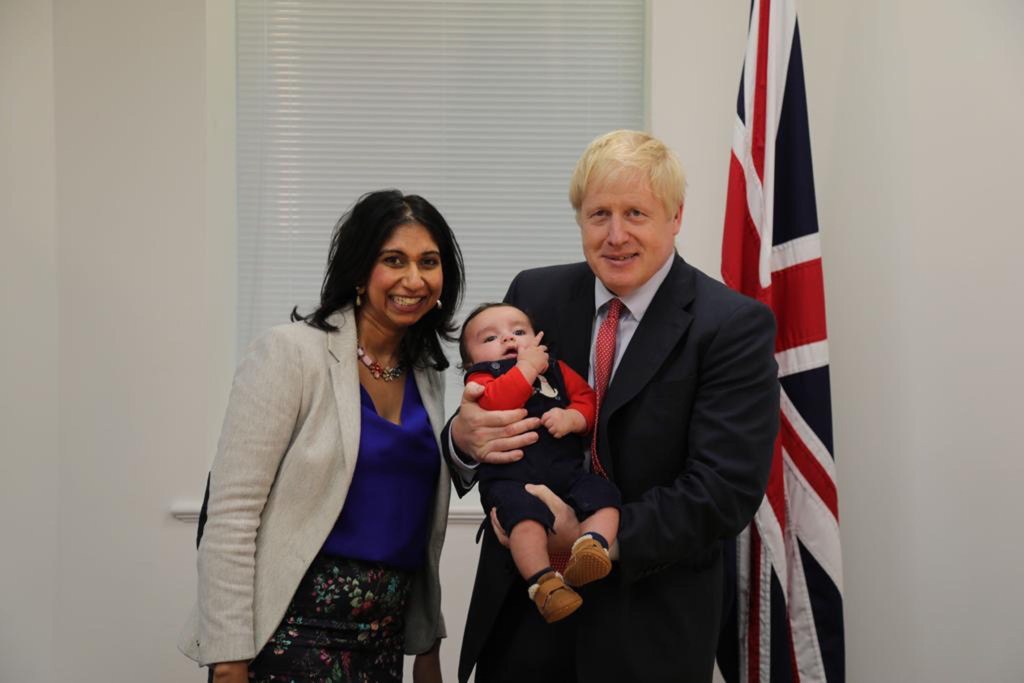
Suella Braverman the Attorney General (left) nominally in charge of the Government’s legal integrity – but who is holding the baby ?
If the strings of government are pulled by shady people in a Downing Street basement there is no accountability any more. The Ministers nominally in charge of advising on or exercising due legal process , like Attorney General Suella Braverman, have had to defend a client head of government despite knowing that what their client wants to do is extra legal. Career-first priorities and sycophancy have so far prevailed over justice.
History teaches us that when a nation is governed by decree and when protest is sat upon then disaster is around the corner. In fact it’s arrived. The formalities of democracy in Parliament may still be followed but that’s not where the action is. Power corrupts and absolute power corrupts absolutely.
None of us should be sanguine about where we are. Taking to the streets in protest will be ignored even if we could rally enough people to do it in a time of lockdown. It is maybe (just) too early to say we’ve lost Hope as a nation. But there’s not much Glory around any more.
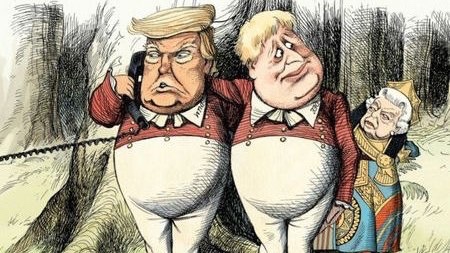
Danny Finkelstein has a piece in The Times today about how in his view Britain’s Conservatives should not hope for Donald Trump’s re-election. But for me it is not the differences between Trump’s America and Johnson’s Conservatives that liberal-leaning Tories like Lord Finkelstein should focus on but the similarities. First that their parties and traditional voters, despite everything, overwhelmingly support them. Call it “populism” if you like but the brand identities of the Donald and the Boris do the job for both their well-heeled supporters with Wall St or City wealth and privileges, but also, crucially, for those on the breadline (or beneath it) for whom their support is an anti-Establishment thing.
TweedleDon and TweedleJohn
There is a raw intensity to Trump and Johnson and an unequivocalness to their messages. The fat cats respond because they fear the alternative. Liberal Republicans (remember them ?) and One Nation Conservatives have been bulldozered out of the way – literally in Johnson’s case. Many years ago now I discussed Trump with some Californians I met on holiday. They said that he was a New York liberal – certainly he seemed at the time to be closer to that City’s Democrats than to the hard Right. And remember that Johnson was twice elected Mayor of the predominantly Liberal/Left London.
Behind the scenes with both Trump and Johnson there are ideologues who pull the strings. Neither has their own political ideology at all – they are untroubled by either a moral or a political conscience. So they are used pragmatically by those in the Hard Right think tanks of Washington and Tufton Street, Westminster to win elections – a handy trick. In a rational political world neither of these dysfunctional brigands would be anywhere near high office. But then in a rational world Dominic Cummings would not be in a 10 Downing St basement and his alter ego Steve Bannon would not have been in the West Wing.
I doubt that Boris Johnson will openly come out for Trump’s re-election but he doesn’t need to. The two men are so alike in character and behaviour that there is a subconscious alliance that hardly needs to be made explicit. Johnson may be marginally more refined and cerebral but not by much. Of course it’s ultimately about power (most of politics is) and they both like it. I don’t buy the commonly expressed view that Johnson is unhappy in Number 10 – he might not like some of the burdens of office (like having to put in a shift occasionally) but he loves the fame and the power. Like Trump again.
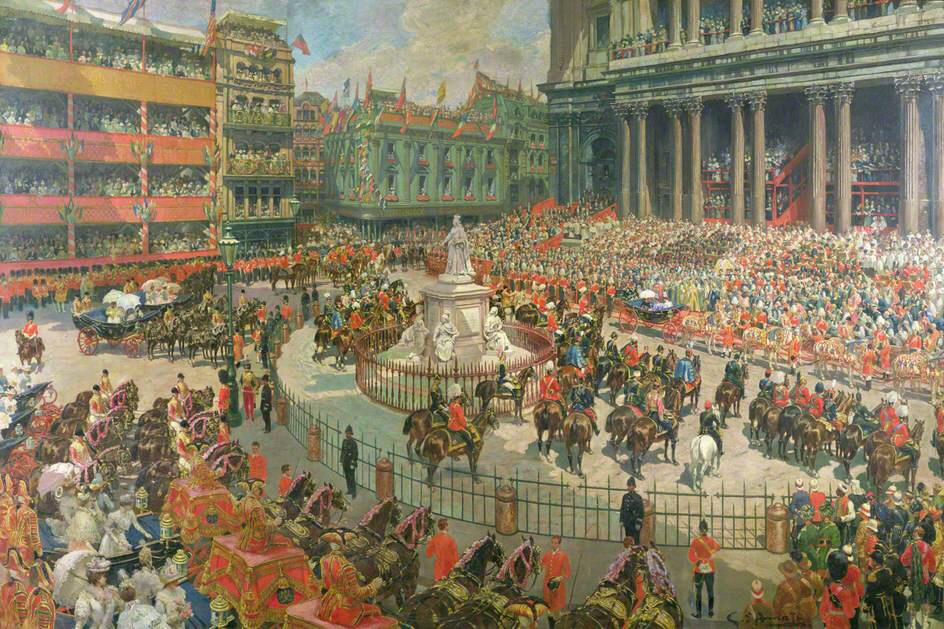
My grandmother, at the age of ten, saw Queen Victoria’s Diamond Jubilee parade through London in 1897. In reporting this extravagant event the Daily Mail said that it was “testifying to the Greatness of the British Race”. Even the socialist Beatrice Webb said quite approvingly “imperialism is in the air – all classes [were] drunk with the…hysterical loyalty”. And the imperative of the Empire was not to have and to hold but to add more. Patriotism stood for love of more. This was the British Empire of which A.C. Benson wrote (to Elgar’s music) few year’s later:
“Wider still and wider shall thy bounds be set God, who made thee mighty, make thee mightier yet”
You may see all this as bombast and jingoism and from today’s perspective it certainly is. But at the time it was the commonly believed reality. Cecil Rhodes had put it fairly unequivocally in 1877 “We are the finest race in the world and the more of the world we inhabit the better it is for the human race”
Victorians believed in “…the idea of some hierarchy of races” with, as Rhodes had put it, the English at the top. This racism (there is no more accurate descriptor) was the norm and went largely unchallenged. As Jeremy Paxman put it in his book on Empire it’s purpose “…rested on the conviction not merely that different races had different characteristics, but that the qualities of the British were superior to all others”.
In the same way that statues of slavers offend against decency to sing “Land of Hope and Glory” surely does the same. Not only is the jingoism offensive and the message anachronistic it is also at its heart hypocritical. Look at one of the verses:
Thine equal laws, by Freedom gained, Have ruled thee well and long; By Freedom gained, by Truth maintained, Thine Empire shall be strong.
“Thine equal laws” ? We have seen that the imperative in Britain and it’s Empire was far from “equal”. An ideology that institutionalises racial hierarchy cannot incorporate the premise that we are all “equal before the law” – and it didn’t.
In a year during which the iniquities of slavery have been sharply in focus and during which we have “taken the knee” to attest to the truism that “Black Lives Matter” surely nobody should be singing paeans to the Empire at The Proms or anywhere else. Our past is far from a glorious one – if anything we should be atoning for aspects of our history like the Empire not celebrating them.
I am indebted to Jeremy Paxman’s “Empire” used as background for this blog. Paxman calls “Land of Hope and Glory” a “hymn to empire, still sung at that festival of faded nationalism, the Last Night of the Proms”
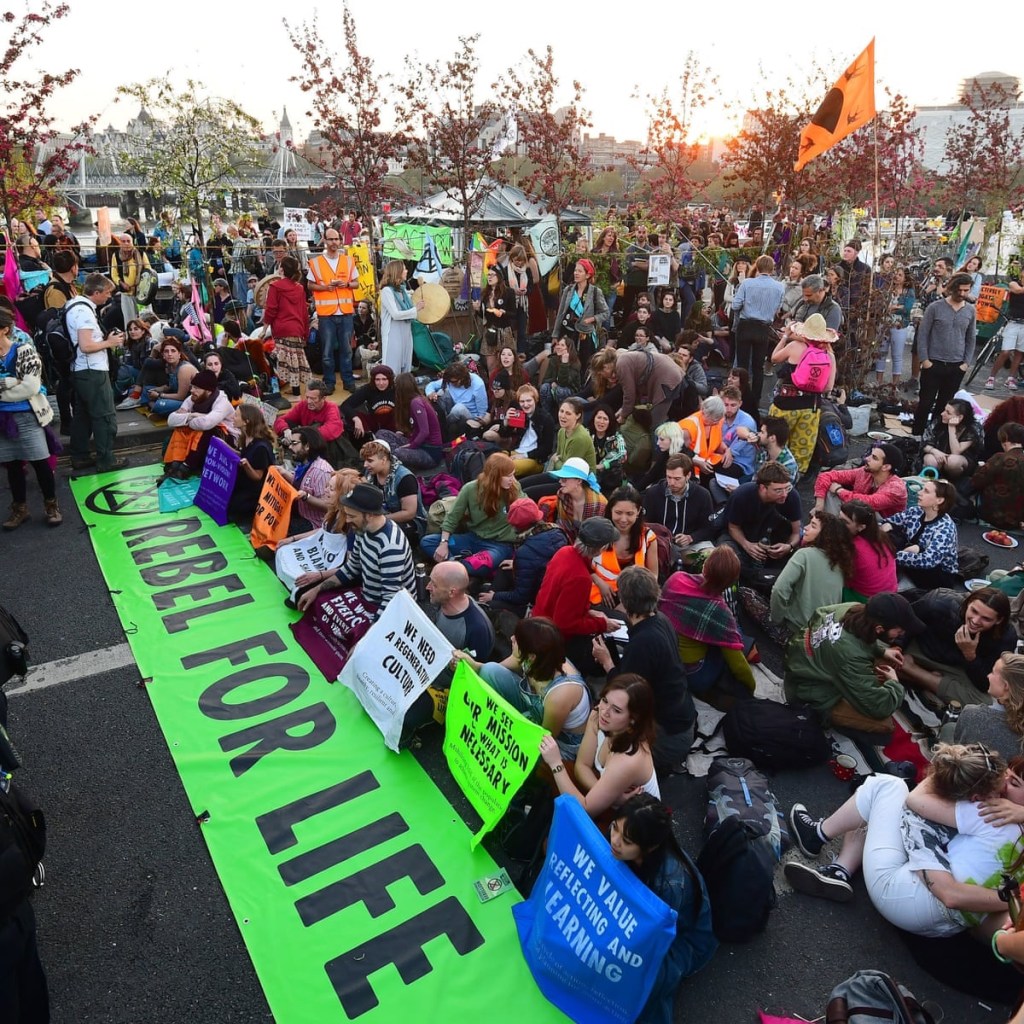
I wasn’t particularly Dave Spart as a student in the 1960s but I embraced all the “Left Wing” causes and fifty years on I still do. We were right to oppose the Vietnam War, the criminalisation of homosexuality, Apartheid, the lack of Civil Rights in the United States, the draconian abortion laws, capital punishment and racial and gender discrimination in Britain. Yes we might have been a tad self-righteous but we were right. Whether I can be said to have “rebelled for life” I doubt. But most of what I believed in 1967 I believe now. Probably.
Extinction Rebellion
Today the equivalent causes to mine when young include the Environment and discrimination – some of the discriminators are the same as they always were – gender, class, race, colour and the rest. You think you’ve won a battle and then a decade or two on you find you haven’t. I protested outside the American Embassy in London against Vietnam and outside Lord’s Cricket Ground against plans to tour South Africa. We won that one too. Eventually.
The environment is the hot button for Extinction Rebellion and the rest. That’s fine except that it’s far more complex – there were certainties about my youthful protests. They weren’t nuanced because they didn’t need to be. Green issues are far more complex and often largely misunderstood. It is, for example, grossly superficial to condemn out of hand all uses of fossil fuels and the oil companies which supply them . But measured and informed debate can be tricky – you get trapped in an Orwellian binary shouting match “Oil and Gas bad, Wind and Solar good”. It’s not as simple as that.
I support Extinction Rebellion’s right to protest peacefully but I’m not wholly clear what they want. I support strongly the underlying premise of “Black Lives Matter” and despair that fifty years after Martin Luther King it is necessary. But is violence the best way to protest against global warming and institutionalised racism? When that happens the nature of the protest becomes the issue not the subject.
In the last ten years much of which we could be proud of as British citizens has been damaged or destroyed. We have gone from being a civilised, pluralist European country which was tolerant of differences to an introspective, intolerant, divided, and nationalist island on the fringes of a land mass and nations for which our government shows open contempt. This has not happened serendipitously or by accident. Behind the scenes, and sometimes openly on the stage, people – often unelected – have pushed us to where we are. But they have only just begun. In their sights are institutions that have been part of our national pride – including the NHS and the BBC.
On the hard political Right there are well-funded groups whose goal is to create a largely free enterprise Britain in which migration is minimised, public services largely privatised and in which American rather than European ways of doing things predominate. These British groups have strong ties with libertarian nationalist Conservatives in the US and in the same way that these Americans are happy to use Donald Trump to occupy and control the inconvenient “democracy” so the British equivalents have used Boris Johnson. We are cloning the American puppet “democracy” in our once green and pleasant land.
The mixed economy “One Nation” which for most of post war Britain (the Thatcher interregnum aside) governed us is being dismantled. A key pillar has already gone – the checks and balances which came from membership of the European Union are no more. The “Sovereignty” goal only made sense from the perspective of the libertarian nationalists who wanted freedom to do what they liked free of the inconvenience of having to conform to the liberal values which are the European norm.
The Westminster building located at 55 Tufton Street is home to a small but influential network of Right Wing libertarian, thinktanks and lobby groups.
But it is not just the pluralism of Europe which Tufton Street wants us to abandon. (Tufton Street is the home of many of the Right Wing groups including the Centre for. Policy Studies, Migration Watch, The Tax Payers Alliance, Civitas and “Leave means Leave”). British institutions which threaten the Americanisation of Britain are firmly in their sights. Despite the glorification of the National Health Service spouted disingenuously by Johnson and his Cabal in the year of Covid the NHS will be a target once the virus stops killing us. The BBC already is.
The anti BBC imperative of the Right is principally about power and control – as of course was its Euroscepticism. The BBC’s power is the share it has of the media, especially television and radio. This position is established through the “Licence Fee” which is essentially a regressive poll tax. That the fee offers extraordinary value (£157.50 per annum, or 43p per day per household) is irrelevant to Tufton St who argue that it offends against Freedom of Choice. If you have a television you have to pay the Licence Fee even if you claim (improbably) that you never watch BBC programming.
The populism of the Right, honed in the think tanks of SW1P 3QL , is characterised by Anti Establishment posturing which has been remarkably successful. The “Leave” campaign appealed to those who saw the main parties’ commitment to the membership of the EU as being the establishment norm. Which it was. The Hard Right Eurosceptics were in 2016, as they always had been, a fringe eccentricity. But Nigel Farage’s UKIP had won the 2014 Euroelections considerably helped, ironically, by the uber-establishment BBC who gave him airtime.
The Leave campaigners knew in 2016 that there was an underbelly of a fairly toxic mix of xenophobia, blame culture and anti-establishmentism they could tap. Add in gut patriotism and jingoism with symbols of the greatness of the imperial past and who knew – maybe the establishment could be defeated. The rest is history.
If the Right could win the Referendum and then after a false start get their man in Number 10 with a thumping majority then anything is possible. Suddenly the BBC was vulnerable. Some at Tufton St would have prioritised NHS privatisation – but COVID has made it necessary to delay that (it will return without doubt). So emasculate the BBC it is. On social media the hashtag #DefundtheBBC is popular among the Right and the Corporation is on shaky ground.
Tim Davie, the BBC’s new Director General, is a Conservative though not a very active one – he also has a high level business background. His support for the Licence Fee suggests that he is not a natural friend of Tufton St. It will be a fascinating battle within which the Licence Fee will be the key battleground. Few on the Right support the Licence Fee so if Mr Davie doesn’t buckle it will be interesting to watch.
The BBC has its detractors and they are very close to Government, or in some cases in it. But in a Britain struggling for international relevance and at war with itself the Beeb is a jewel in the crown. It’s far from perfect and a root and branch review is overdue. But those of us who support the BBC must wish Mr Davie well. If he fails there are hungry men of the Right just waiting to gobble it up piece by piece.
At a time when we can fairly uncontroversially look at the current incumbent and his two immediate predecessors as the three worst Prime Ministers of modern times its good to look at “might have beens”. The dreadful last four years have shown a candidate needs breadth of vision, experience, intelligence and belief. A rare combination to which I would add compassion and humility – a big call!
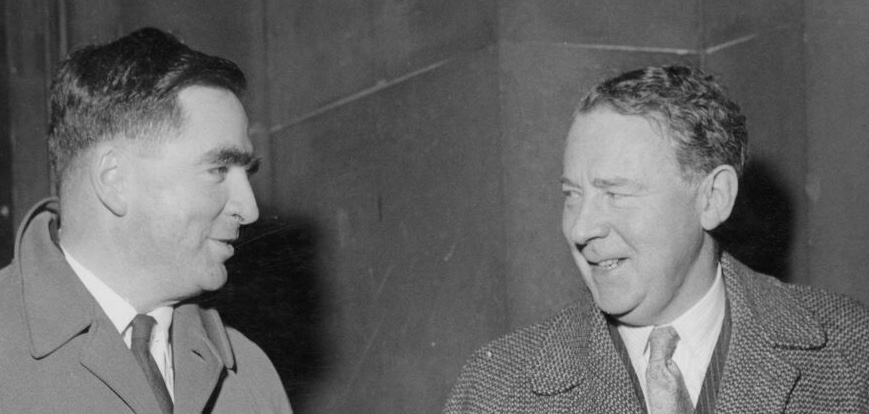
Denis Healey and Hugh Gaitskell – Labour’s nearly men
Hugh Gaitskell ticked most of the boxes and his “Fight again” speech showed he didn’t lack passion either. If Rishi Sunak does, as it seems, have an ambition to replace Boris Johnson when the latter finally implodes he would do well to look closely at his fellow Wykehamist. I would put Denis Healey and Roy Jenkins up there with Gaitskell. Perhaps Bevin, though he was a bit before my time.
Tony Crosland’s political agenda was formidable though he might have been too smart by half. On the Tory side Ken Clarke and Iain Macleod had assurance to go with intellect. They wouldn’t have dithered. Jo Grimond might have wavered a bit in office but Paddy Ashdown or a sober Charles Kennedy might have done a good job.
Britain’s failure to find a post imperial role can be firmly attributed to Prime Ministerial failure between 1951 and 1964. We may never have had it so good during those years but unlike Germany and France we abjectly failed to create a modern European state. Butler or Gaitskell could hardly have done any worse.
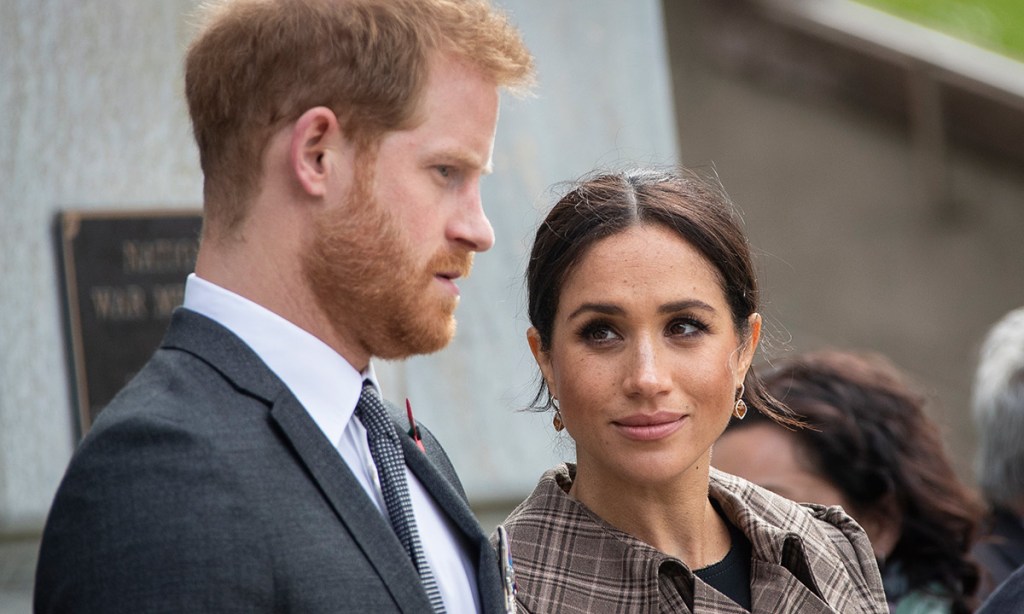
The phenomenon of being famous for being famous has always been with us. Harry’s Mum had it for a while but she actually did a few good works once she had kicked her arrogant, unkind and unfaithful spouse into touch. And she was liked. Her sons are decidedly ordinary but the older one probably has sufficient of a sense of duty to tackle the constitutional monarch sinecure – not a job requiring too much brainpower – unless we have the good sense as a nation to abandon the whole “Royals” charade in time. Unlikely.
The second son is an attention-seeking twerp. Life for the “spare” can be tricky – look at Margaret Rose or the dysfunctional Andrew. True Harry Windsor’s great Grandfather unexpectedly became King so you never know. But there are plenty of little Windsors ahead of Harry in the queue. He ain’t going to the Palace in charge and he knows it. So what to do?
Harry’s great, great Uncle was banished from Britain for marrying an American divorcee – Harry has banished himslef for the same “offence”. In retrospcct the ghastly Duke of Windsor didn’t matter a jot – his brooding life in Paris and the Riviera was wholly insignificant. This silly, dimwitted, deluded man with his ambitious Yankee spouse faded quickly from the public consciousness. And so it will be with Harry and Meghan. You can plunder the good fortune of Being famous for being famous for a while – but only for a while before the public moves on and you are forgotten.
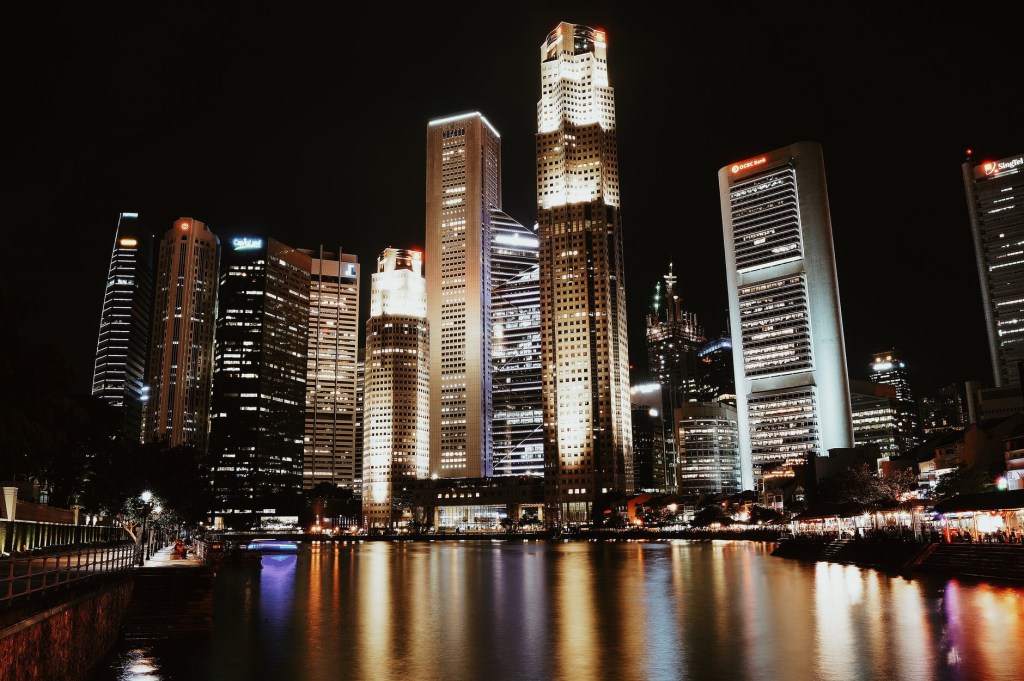
I was re-reading diaries I wrote when I lived in Hong Kong in the 1980s recently. My job took me around the region – what comes across frequently is a mention of ambition and a “Can Do” mindset. It had more to do with culture than government system. Hong Kong was a colony and undemocratic. But the government had the good sense to encourage freedom of enterprise and to provide infrastructure and public services which it did well. That was the model across the region. Prime Minister Lee’s regime in Singapore was hardly liberal but he shrewdly invested in what the tiny island needed to work and grow, including public services.
Modern Singapore
The mixed economies across the Far East worked. The governments did what they had to do and left it to free enterprise to do the rest. There was no ideology involved, just common sense. I visited Thailand recently for the first time for a while. Bangkok traffic used to be chaotic but now it is much less so thanks in to a new and expanding light rail system. Thailand has pretty unpleasant politics but its leaders have the “Can Do” mindset. It works.
All societies are stratified but nowhere in the Far East region is class and power as engrained as it is in Britain and America. One reason is education. Public education in Kong Hong or Singapore is not just free but consistently good. Equality of opportunity is not an ideological goal – it’s a practical reality.
In Britain we debate and dither. Our infrastructure is not fit for purpose, our education mindset elitist and we are culpably complacent about all this. If many of our ex colonies in Asia lived in the past as we do they’d be stuck in a rut bemoaning the evils of colonialism. Countries like India, Malaysia, Singapore don’t do that. That there were once mad dogs and Englishmen in charge doesn’t bother them today.
Across Europe there is inconsistency. Some countries are more vulnerable than others to the “threat” from the East. But nobody is as vulnerable as Little England or Trump’s America. Even China is not as nationalistic and introspective as we Anglo-Saxons and their natural pragmatism will probably prevail. Watch Hong Kong closely. If it stops being in the international news you will know that Beijing, having made its point, has decided to let its little jewel alone for a while. Don’t bet against it.
Old, fat, complacent and wallowing in nostalgia are not characteristics that encourage change and progress. There are always a hundred reasons not to do something. The young and ambitious nations of Asia don’t spend their days re-running newsreels of eighty year old military triumphs and singing patriotic songs. They look forward not backwards. Which means they will win.
Tax increases in Britain seem inevitable if we are to avoid going bust. There is no magic tax button to push. You either tax consumption or you tax income.
Within those broad descriptions a Capital Gain is unearned income. Taxing consumption is regressive , taxing income is progressive. So any government favouring redistribution will favour taxing income. For me there is no moral distinction between earned income and unearned income so making a tax level distinction as a sort of reward for work as opposed to good investment I object to. The tax system needs simplifying within the fairness criterion of the more you earn, however you earn it, the more you pay in tax.
There needs to be more subtlety to consumption taxes. Some purchases are essentials and in the main should be untaxed, or lightly taxed. Luxuries should attract higher rates of VAT/Sales Tax – as once they did of course. Yes there are challenges in defining what are necessities and what luxuries but common sense should cover the majority of cases. Fuel Duty is a consumption tax – it hasn’t changed for eight years. Despite my oily career and oil-funded retirement I believe it should be increased substantially. In Britain, a few exceptions aside, we do not charge for use of our motorways. The benefit of Fuel Duty is that the more you use our roads the more you pay. Seems fair !
Fuel Duty hasn’t changed since 2012
Increasing Fuel Duty is always politically dangerous – ask Tony Blair – and I very much doubt that our present Government has the balls to do it. But it makes sense – it encourages the purchase and use of more efficient and environmentally friendly vehicles and switching to public transport. I’m making my own small contribution to this at the moment leaving my car on the drive. Mind you this is a result of my epilepsy diagnosis and treatment! I won’t be able to drive again until April next year at the earliest. I haven’t missed it one bit!!