My review of Susan Neiman’s “Learning from the Germans” – a book that has some insights on today’s racial conflicts.

This is a thought-provoking and brilliantly researched book. It also has a very original premise. Every nation has a past in which there is at least one event or period of which they can be ashamed. For Germany, of course, it is the unique horror of the Nazi period and the holocaust. For the United States it is Slavery and the failure, post the Civil War, to establish effective civil rights for all. Susan Neiman does not equate Germany’s Nazi past with the institutionalised discrimination and lynchings of the Southern States of the US. But she does suggest how today’s Americans can and should “confront Race and the Memory of Evil” – by using Germany as the precedent. “Learning from the Germans”.
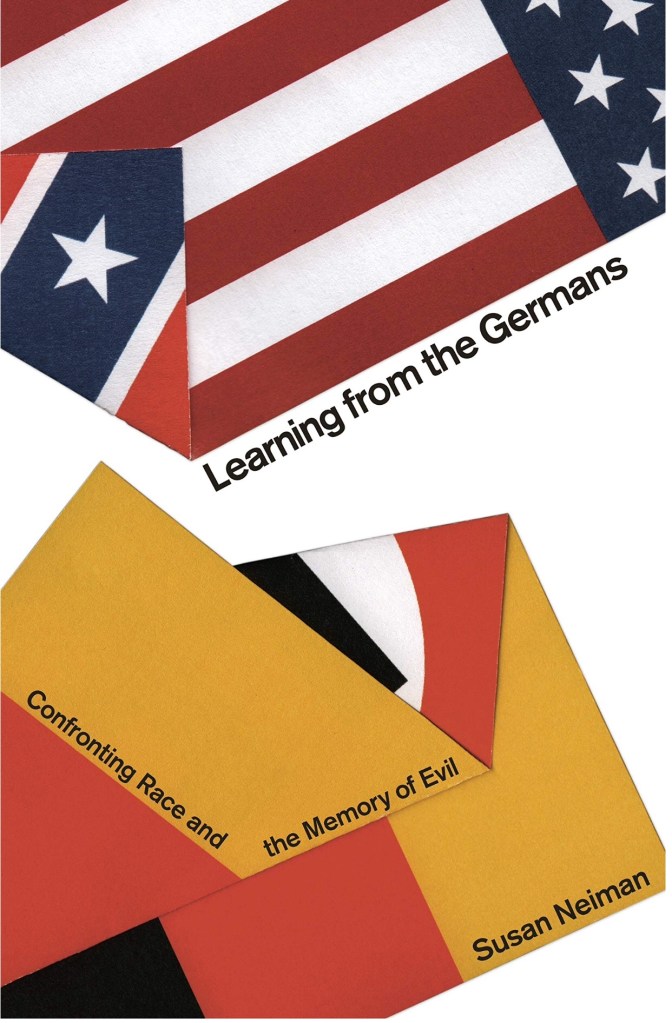
For me there were many new things in this book. I know Germany fairly well but had not realised that the determination to record and explain the Nazi period is a relatively recent thing. The museums, school curricula, memorials and other records of the evils of Hitler have only really come into place in the last thirty years. Under the immediate West German governments of Adenauer and his successors there was little attempt made to feature anywhere the years 1932-1945 or to make reparations to those who suffered. Interestingly the German Democratic Republic (East Germany) was different and young East Germans were far more likely to know of Germany’s recent past than their West German compatriots. Today across Germany there are outstanding museums of the Nazi era and the Holocaust. In part, of course, these are driven by accumulated guilt and it took a generation that was too young to have been guilty or not yet born to create these memorials. 

The post-Civil War period in America which in the Southern States maintained and expanded discrimination and it endured until well into the 1960s and, arguably, it hasn’t entirely gone away today. White Supremacists raise their fetid heads from time to time and have in Donald Trump a “President” who doesn’t seem over-bothered by them. Ms Neiman records some of the infamous cases of murder carried out by the Klu Klux Klan post war – and chilling stories they are as well. She points out how the “Confederacy” states like Georgia the State of her birth were segregated. The Civil Rights heroes of the 1960s had to fight not just the racist extremists but even Southern Democrats like Lyndon Johnson who didn’t want to lose the white vote! She visits Mississippi and finds bigotry still present but where there are also encouraging signs. Museums of Slavery have been built and the horrors of segregation are more a matter of record today. She quotes Stanley Cavell who said “History will not go away, except through our perfect acknowledgment of it” – this is perhaps the main driver of Ms Neiman’s book.

I am British and found this retrospective on German and American evil and how later generations have addressed it very instructive. Here in the United Kingdom whilst we are happy to wallow in the perceived greatness of our past we are largely unwilling to address our errors, many of which were venal. Susan Neiman says that in Britain “… there is no monument remembering the victims of colonial famines and massacres…” – she’s quite right about this. There is no “Museum of the British Empire” (one in Bristol closed through lack of support) and teaching in schools and universities on the subject is minimal. Britain’s involvement in slavery, our appropriation of lands overseas that were not ours, our discrimination against and often murder of native peoples needs to be addressed just as much as the Germans and Southern Americans are addressing their pasts.

At over 400 pages “Learning from the Germans” is a long read and a moving and timely one. So much of modern society around the world revolves around discriminating hierarchies which self-select on the basis of race, colour, nationality, absence of disability, gender or creed. Sammy Davis Junior once called himself “the only black, Puerto Rican, one-eyed, Jewish entertainer in the world.” Almost a full house! In my country there is now open nationalism and xenophobia in Government. In the White House it’s the same. If Trump could read and if Boris Johnson could be bothered to they should look at Susan Neiman’s book. The holocaust historian Laurence Rees called his definitive book on the Third Reich “The Nazis – A Warning from History”. Ms Neiman’s book is that as well – but it also shows how by “Learning from the Germans” we can do something about that lesson.
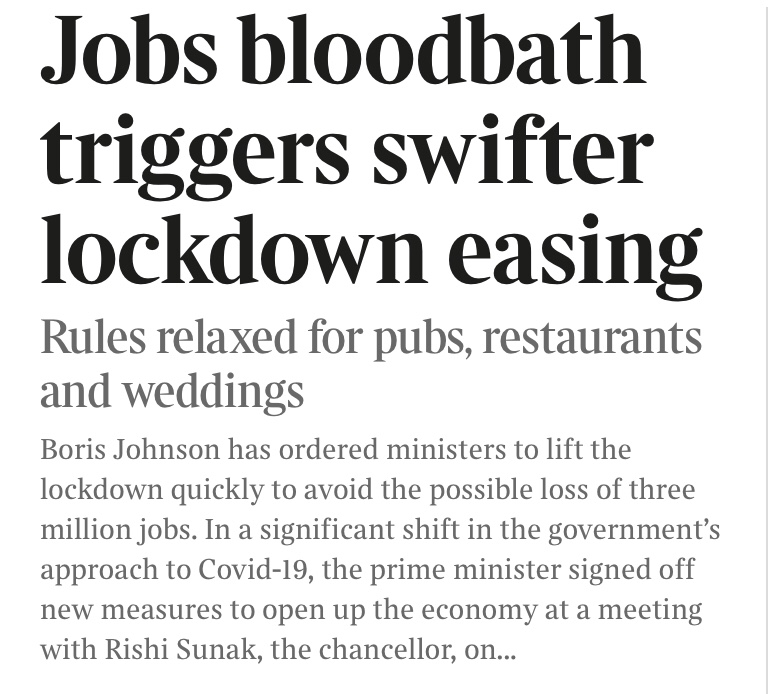
Politics before science as Johnson and co. ignore the experts.

This Prime Minister and Government add culpable irresponsibility to incompetence and mendacity. The experts are being marginalised and ignored. Those who charge that “herd immunity “ was never abandoned are beginning to look not like conspiracy theorists but informed insiders.

The problem with Britain’s grotesque mismanagement of this crisis is that from the start it has been seen as a political issue not a medical science one. So political leaders who habitually lie on everything fell into default mode and lied to us on the pandemic.

As a nation we have lost the capacity for rational debate, everything is binary. So when Johnson and his gang tell us black is white we are unpatriotic for telling them it is not. There is no discussion – and if you have the temerity to suggest that there are areas of grey you incur abuse.

Britain’s record on handling the pandemic has been embarrassingly woeful and yet they have the gall to tell us we are doing well. We are daily killing more citizens than the rest of Europe put together and yet we are relaxing the rules – it defies belief.

There should be no discussion of a trade off between mitigating economic damage, on the one hand, and saving lives on the other. Minimising fatalities should have been the driver from the start – it wasn’t. Yes the economy is suffering but it will recover. Our dead relatives and friends cannot recover – how many more will be joining them in the coming months?

The power, and the impotence of protest

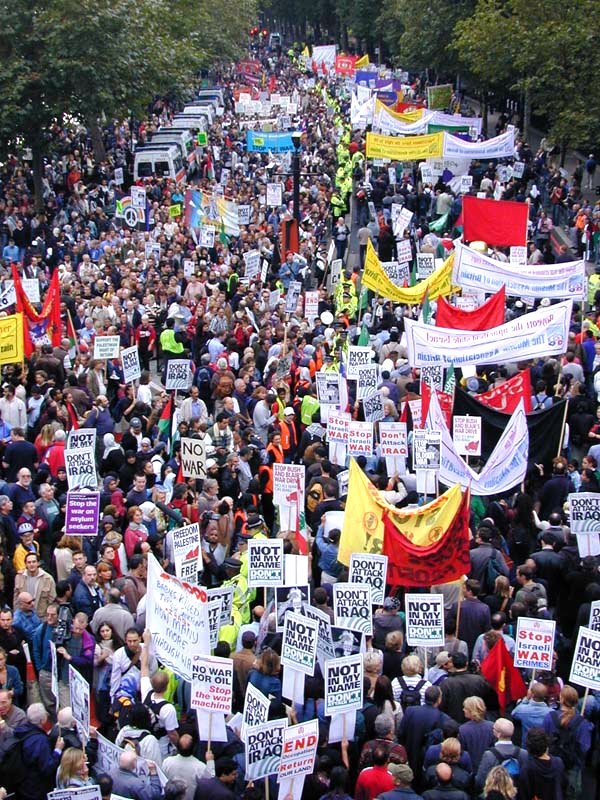
Protest against the Iraq War in London in February 2003

15th February 2003. London is brought to a halt by one of the largest protests it had ever seen. I wasn’t there, but I should have been. Less than a year earlier I had returned to the U.K. after six years living in the Middle East. I knew the region well and although I’d never been to Iraq I knew people who had and was certain that Saddam, evil bastard though he was, was not a threat to the West. The “Weapons of Mass Destruction” did not exist, Saddam had had nothing to do with 9/11. There was no Casus belli – Britain was being used by a belligerent American President. It would all end it tears.

I should have been there. I was to write a piece for a Dubai newspaper the following month which argued that the war, if it happened, was all about oil. As a recently retired Shell executive this was a controversial thing to do ! I had no insider information but I was pretty sure I was right. I was.

So why wasn’t I at the protest that February? Rather disgracefully I think that I just failed to make the effort. When I later read Ian McEwan’s novel “Saturday” which takes place on the day of the demo I knew that I had goofed by not being there – not, of course, that it would have made any difference if I had been. Except to me.

Back in the late 1960s, when I was a student, the two big issues were the War in Vietnam and Apartheid in South Africa. I took part, in a small way, in protests against both in London. The activities were largely peaceful and non violent though protests against the Springbok rugby tour of 1969 sometimes got violent and were unlawful. Ironically it was probably the Right Wing American politician Barry Goldwater who best summed up the case for extreme protest “extremism in the defense of liberty is no vice. And let me remind you also that moderation in the pursuit of justice is no virtue.”

This brings us to the huge protests on both sides of the Atlantic against the killing of George Floyd in Minneapolis. The fact of protest is admirable. This was both a horrific event in itself but also a symbol of the continuing racial inequalities in the United States. If Mr Floyd had been a white man he would not be dead – it’s as simple, and scandalous, as that.

The assumption of racial inequality underpinned mankind’s greatest crimes from slavery, the Holocaust to Apartheid. And also, it cannot be denied, to Empire and the genocide of First Nations peoples. The perpetrators of these horrors were white, their victims black or brown. So the slogan “Black Lives Matter” is of much wider relevance than the tragedy of Mr Floyd.

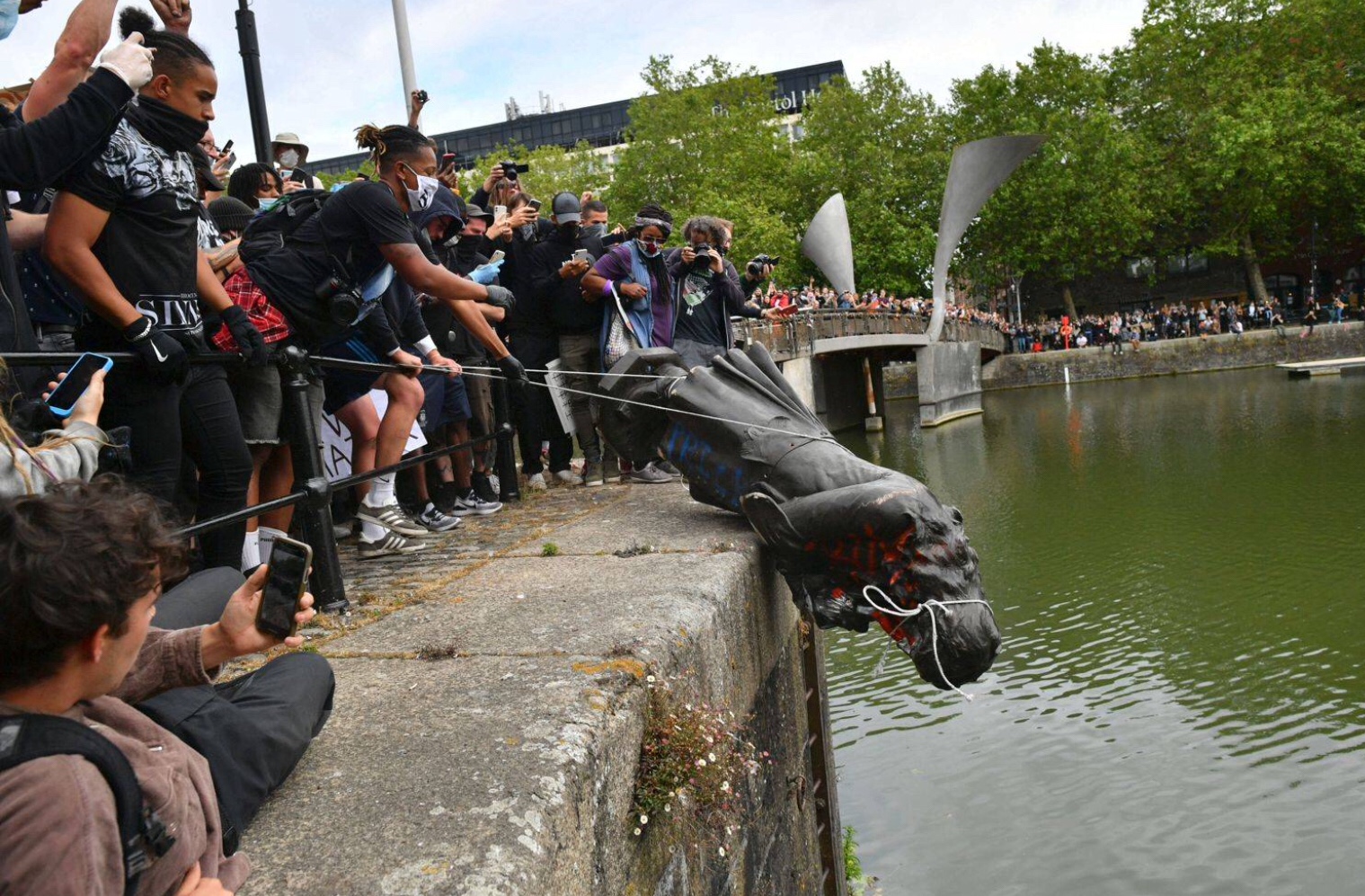
Britain was at the heart of the slave trade a fact that tarnishes our history irreparably. (We were also one of the first countries to abolish the trade but for a century or more white Britons got rich on the slave trade and slavery). One of its beneficiaries in the late 17th Century was Edward Colston and yesterday his statue was toppled and thrown in the harbour in Bristol.

The vandalism in Bristol was, of course illegal. But was it “extremism in the defense of Liberty” and as such not a vice? Or was it Virtue Signalling by Hard Left protestors – you pays your money and makes your choice.

Will the events in Bristol make a happorth of difference to the lot of BAME people. Of course not. Will they make some people more aware of the iniquities of slavery ? Maybe, but there are better ways to do it. There was a Museum of the British Empire in Bristol until recently but it closed through lack of support. This seems to me an area where we could be “Learning from the Germans” – as I said in my review of Susan Neiman’s book. Yes the presence of statues of slave traders in our cities is an affront. Yes the absence of any substantial museum telling the story of a Empire (including Slavery) is an omission in a country that does museums rather well. It’s not a noble history, but like the Germans we should be honest enough to tell it.

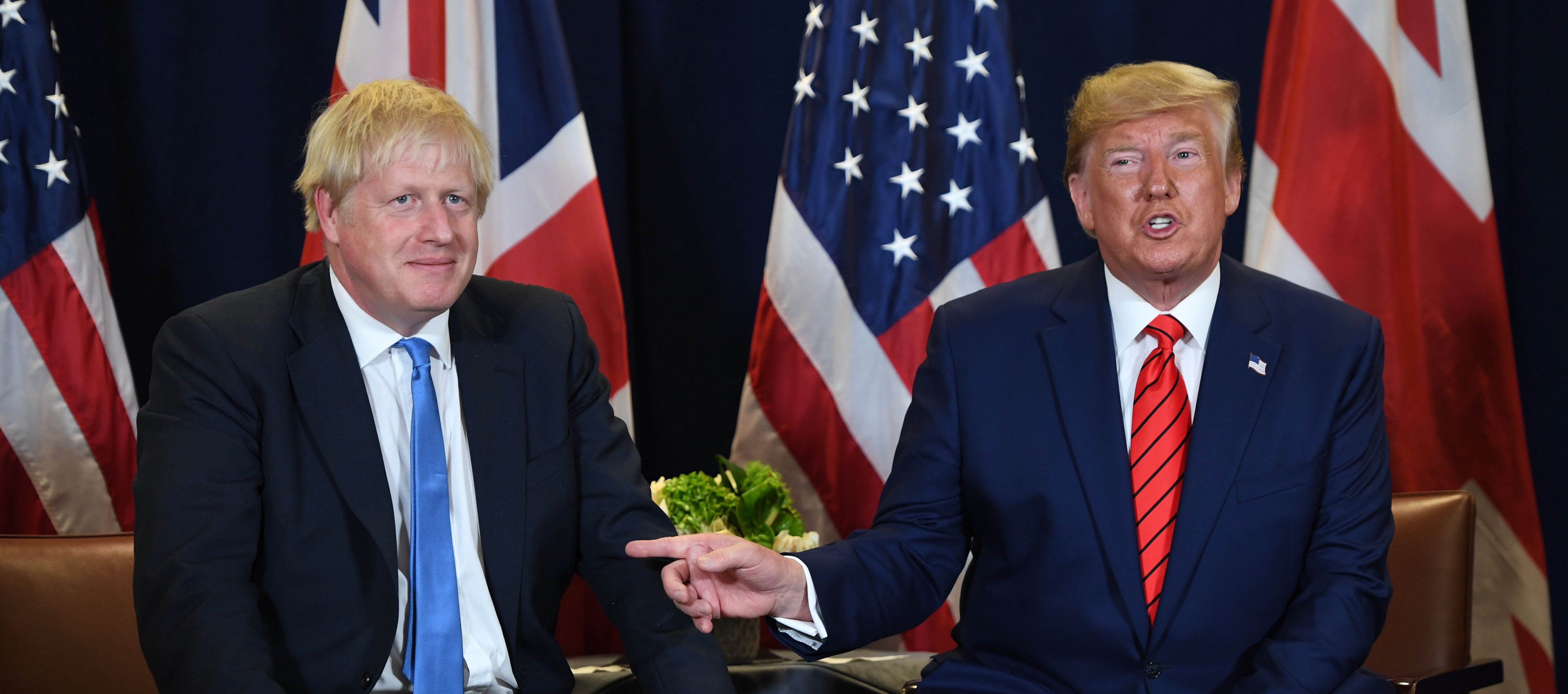
The eerie similarities between Boris and the Donald.

The only consolation I can offer my fellow Brits is that for now our American cousins have it worse – but they can and surely will eject the vile Donald Trump in November. We are stuck with Boris Johnson way beyond that. The comparison between Johnson and Trump is eerily apposite. Morally there’s little to choose between them.

You might say that it doesn’t matter if our leaders are serial philanderers if they are competent and inspiring leaders – the Lloyd George defence if you like. But when you fuse on to amorality prejudice, ignorance, laziness and a willingness to be the tools of shadowy “advisors” of the Hard Right then Trump/Johnson surely in any rational world disqualify themselves from office.

Boris and the Donald are not ideologues but their strings are pulled by those who are. Barack Obama maybe didn’t achieve as much as he himself and his millions of supporters would have liked but he admirably got up the noses of the American Right. David Cameron’s Coalition Government was similarly anathema to our eurosceptic Hard Right leading initially to the emergence of the populist Nigel Farage and his xenophobic UKIP party. In 2015 Cameron defeated his erstwhile LibDem friends in a cunningly fratricidal General Election and soon he marginalised Farage by calling for and then losing a referendum on Europe.

In 2016 David Cameron and Hillary Clinton both tumbled to electoral defeat – both beaten by ideologies of the Right. The similarities are startling, the crucial technique being to find a scapegoat. In white trash America it was the Establishment represented by the Uber-mainstream Clinton. In Britain the Establishment represented by the pro Europe majority in both the major parties. It’s arguable that Trump and the “Leave” campaign didn’t win their elections so much as Clinton and “Remain” lost theirs.

No rational voter would vote for Donald Trump or for Brexit the Metropolitan elite would say, and in a way they’d be right. But before the 2016 election Jeremy Paxman visited poor white America for a TV documentary and they were voting Trump out of desperation not reason. The Brexit voters in Britain weren’t desperate but they were similarly defying convention and being bloody-minded. There is a hard core of flag-waving nationalism both sides of the Atlantic and the Trump and Brexit campaigns knew this and exploited it.

The libertarian and Nationalist Right in America and in Britain successfully colonised the Republican and Conservative parties and got an electable patsy into the Party leaderships. They also got their ideologues into positions close to power. In America Steve Bannon set the Trump course initially and since his brief but crucial day others have kept the Donald on track. In Britain Dominic Cummings has been the puppet master and is so important to the increasingly incoherent and shambolic Johnson that he has so far retained his “advisor” despite overwhelming calls for his dismissal for recent grievous mistakes.

America in November has the chance to banish Trump and in so doing defeat his Hard Right string-pullers. Britain does not have this opportunity and we will have to suffer longer. Whether our democracy will survive is a question some of us wonder – with justification.

Freedoms are usually things to celebrate and fight for. But no more in Brexit Britain.

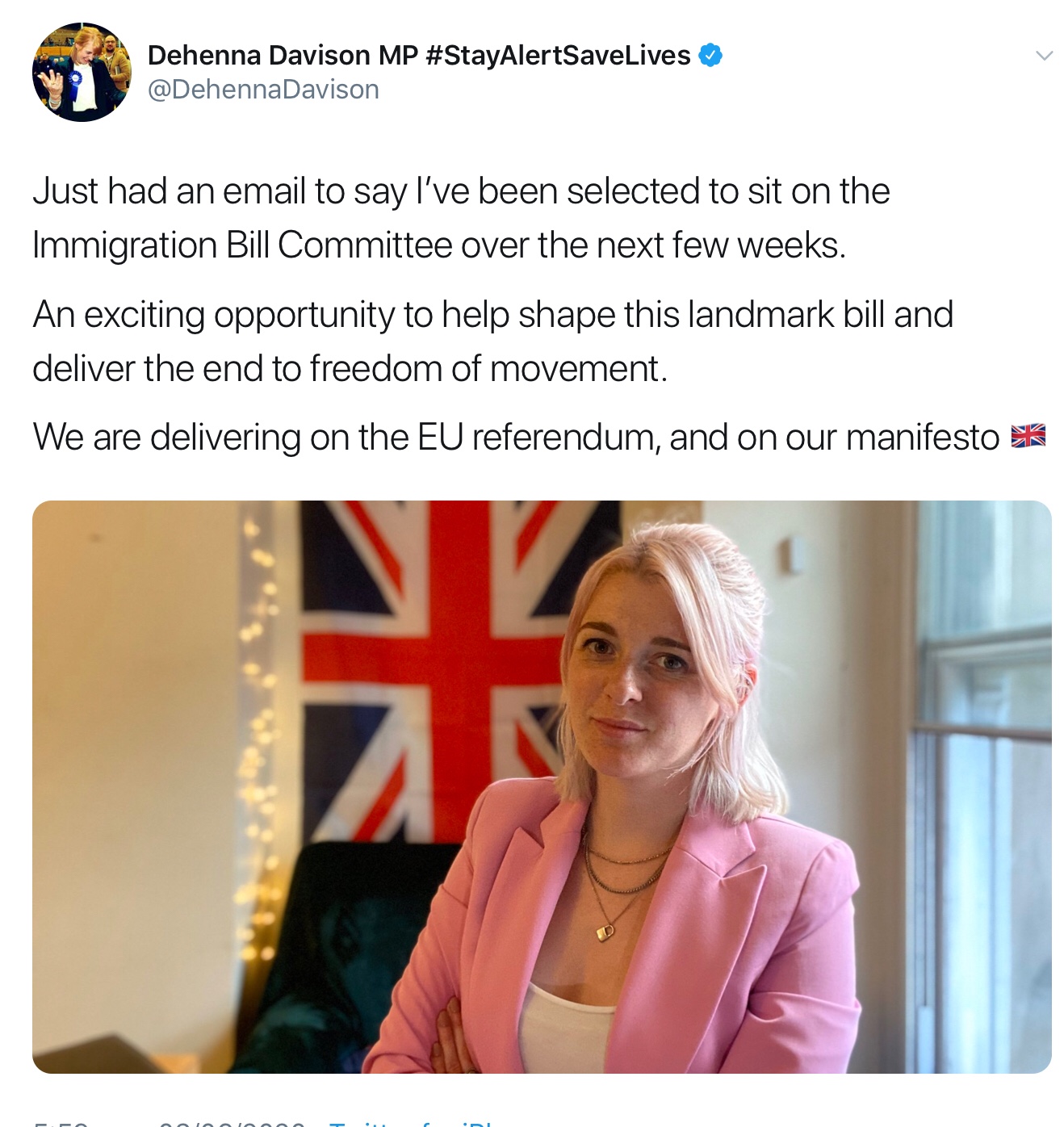
This young Tory MP is 26 years old so Nearly all of her life she has lived under the Four Freedoms entrenched in the Treaty of Rome (or its subsequent revisions). These freedoms are:

▪️Freedom of movement of goods

▪️Freedom of movement of people

▪️Freedom of movement of services

▪️Freedom of movement of capital

The freedoms underpin the Single Market, the Customs Union and the rationale of the European Union. Although some non EU countries also adopt the four freedoms Britain has said it will not do this and both the Home Secretary and MPs like Ms Davison boast about our abandonment of them – especially Freedom of Movement.

I was born nearly 50 years before Ms Davison but there is more than just a generational chasm between us. I have seen the Freedoms in action. They work – especially Freedom of Movement which gives us all, but particularly ambitious young people of Ms Davison’s age, opportunities that would have been unthinkable when I was 26. The freedom to live, work, love and travel across thirty countries of Europe is a driver of personal and national progress that makes it something to cherish.

I have lived and worked in two countries of continental Europe – The Netherlands when I was in my early thirties and Spain when I was in semi retirement. In Holland I was welcomed as a European citizen from a country the Dutch much admired. Some of our neighbours saw the freeing from tyranny inspired and fought for by my parents’ generation of Brits and our allies as noble and worthy of the greatest praise. I never had to wait long for a glass of Heineken or Grolsh from these older Dutch friends !

The abolition of Freedom of Movement will make us unique in Europe for our insularity and divisiveness. Young Spaniards or Dutchmen and women will be subject to demeaning and arbitrary rules if they want to come here. I doubt they’ll bother to undergo such indignities when there are thirty other European countries who will welcome them as of right.

And what about our young Brits? Today in normal times they can test themselves as I once did and work across the continent without restriction. Isn’t that a right worth keeping?

I don’t think Ms Davison has thought this through. Surely she can see that only a narrow English exceptionalism would erect the barriers to movement she is praising. Surely as a nation we’re better than that?

We might not have a Government of competence or credibility – but we’ve got the ducks and geese.

My wife and I, approaching our mid 70s , don’t have to go far from our home – so we don’t. Everything we need to buy is available on home delivery. Not visiting shops is hardly a burden. Our lifestyles in retirement revolved around Travel, The Arts and Sport. We miss them but there are other things to do and hopefully they will all return refreshed come the dawn.

Time on our hands has allowed us to study our political leaders more closely than we would usually. Neither of us wears patriotism on our sleeve in normal times but it is sad to be British at the moment. The Government has got nothing right from the start of this deadly time. The mistakes are woeful but it’s the lies which really damage our spirits. You cannot believe a word they say and they take us for fools.

It didn’t have to be like this. Indeed around the world, a few exceptions aside, the virus has been competently managed. Britain has been the worst in Europe by far and you don’t need to be a flag-waving patriot to find that sad. The first serious political issue since Brexit has been botched because of politics. The virus was an act of God. It’s failed management has been a political failure of gargantuan proportions. The wrong things have been done at the wrong time for the wrong reasons by the wrong people. And they never apologise. Thousands of citizens are dead who didn’t need to be if we’d got it right – failure doesn’t come much greater than that.

The same people that sponsored the absurdity of Brexit (and lied about its spurious benefits) are misgoverning us now. If you believe this gang can deliver us a clean and rational break from the EU on 31st December you haven’t been paying attention. There was something symbolic about the chaotic and absurd charade of voting in the House of Commons yesterday – this lot couldn’t run a whelk stall.

And so back to our bunker by the Thames. The ducks and geese are breeding successfully along the river bank and we have high hopes of a couple of Swans. We expect a delivery from the Wine Society and Waitrose (whose priority list we are on) later today. It’s an odd time and you need to take personal charge of how you cope with it. But it would be better if we had a Government we could believe in – sadly we don’t.

Behind closed doors ?

Test Matches, Premier Leagues Matches, Grands Prix even a few Promenade concerts are planned to take place “Behind Closed Doors”. No spectators, no audience – an idea as empty as the venues would be.

Test cricket needs spectators

Let’s start with the cricket. The West Indies cricket team – their players, coaches and the rest are invited to play five day test matches with their health and safety supposedly protected. They will stay in accommodation on site in the grounds and be isolated from the disease-ridden world around them. Two questions: (1) Why, what’s the point? (2) Does anyone really believe that their health and safety can be secured ?

The West Indies need the money and I suspect that is the only reason that they are coming to England. The virus is not under control in Britain which has the worst record in Europe. The Windies players will be at risk. It’s emphatically not a risk worth taking.

The matches are of no consequence. So the only beneficiaries of the games will be a TV audience and Sky who will flog advertising to advertisers. Much as I love cricket I don’t want to see the game polluted in this way. Professional sport without spectators is a nonsense

The Premier League is a global business and needs media and advertiser income to be viable. As with the cricket the idea is to play games in empty stadiums behind closed doors. But surely they can see that if you takes the spectators away you fundamentally change the character of the event. And also as with cricket safety cannot be guaranteed. Teams, coaches, officials – many hundreds of them – will be unnecessarily at risk for games that don’t matter.

The Grand Prix plan is similar. As with football and cricket the TV audiences can be guaranteed. But every Grand Prix requires hundreds of support staff who will inevitably be at risk however hard people work to resist it. Is it worth it ? Of course not.

The Proms plan to have a fortnight of big hall concerts played to an empty Albert Hall. Why ? Search me. You can’t really have a Promenade Concert without promenaders can you ?

These are troubling times for sport and the Arts. Both need ticket paying audiences to prosper, or even to survive. But these artificial pseudo events won’t help that. If 2020 is a washout – it’s looking that way – let’s take it in the chin and plan only to return when the fetid cloud storms have lifted.

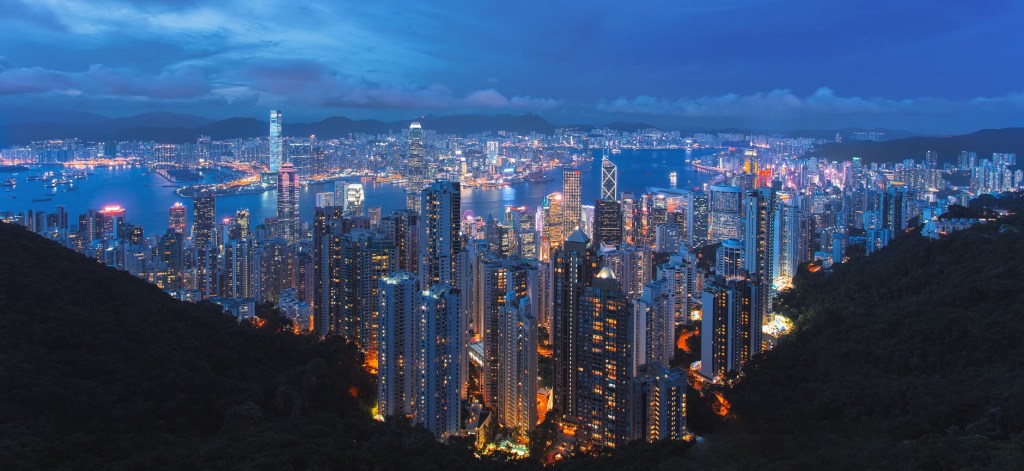
The people of Hong Kong know all about British lies and perfidy.

Hong Kong succeeds because its people are free. They can pursue their dreams and scale as many heights as their talents allow.” Boris Johnson

This is disingenuous claptrap. The people of Hong Kong have never been “free” – they have never governed themselves. On 1st July 1997 they went from being the disenfranchised residents of a British colony to being the disenfranchised residents of a Chinese one. They had few if any governance rights before 1997 and few if any since. The “Joint Declaration” was a sell-out.

The problem for Hong Kongers has always been not the rights like “Freedom of Speech” or “Freedom of the Press” , which they have mostly enjoyed but the fact that they have never governed the territory in which they live. The Governor for a century and a half was a Briton and appointed by the British Government. Since 1997 the equivalent has been appointed By Beijing. Plus ca change in many ways.

A territory without self-governance can still have Passport rights for its residents – but Hong Kongers have never had this. Yes they had a nominally “British” passport with which they could travel – if countries chose to admit them. But this document did not give them British nationality nor, crucially, the right of residence in the U.K. As such it was largely worthless.

When I lived in the territory in the 1980s after the Joint Declaration was signed those among my Hong Konger friends who could afford to do so acquired foreign passports – particularly Australian and Canadian – as insurance against the sort of situation they now face. Cities like Melbourne and Vancouver have hugely benefited from this immigration. But many who got these passports stayed in Hong Kong knowing that if things got nasty they could leave. It’s only a matter of time before most of them do so.

Britain abandoned the people of Hong Kong and I very much doubt that any of the threatened people of the territory will believe a word Boris Johnson says now – they know all about Gweilo lies. Australia, Canada and New Zealand offer a more congenial welcome and these countries know what a valuable contribution Hong Kongers can make. Why would you want the passport of xenophobic, nationalist Little England when you can have one of a welcoming, open state where many of your friends and compatriots already live happily?

Nigel Farage and Me

From October 2014

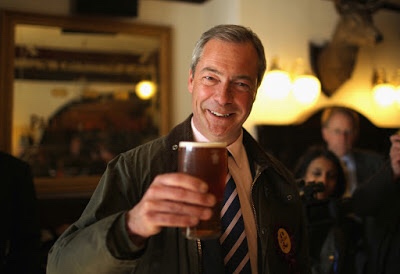
A few years ago, before he became “famous”, I had dinner with Nigel Farage. A mutual friend, also called “Nigel”, invited me to join the two of them after we had all been at Lord’s cricket ground for the day. We met at a Malaysian restaurant in West Hampstead and as far as I can recall it was a pleasant evening. The two Nigels, like me, enjoyed the spicy food and Tiger Beer and that and a bit of cricket chat (mainly), was the purpose of the evening.

Farage is almost a generation younger than me – he was born in 1964, the year I left school and started work. But we have similar backgrounds. I grew up in the same part of West Kent as Farage and visited the same pubs in Downe Village (his home) and elsewhere. My father was a member of “West Kent Golf Club” (WKGC) as is Farage. And I was at Farage’s school Dulwich College for three years in the 1950s. I know the world he comes from well.

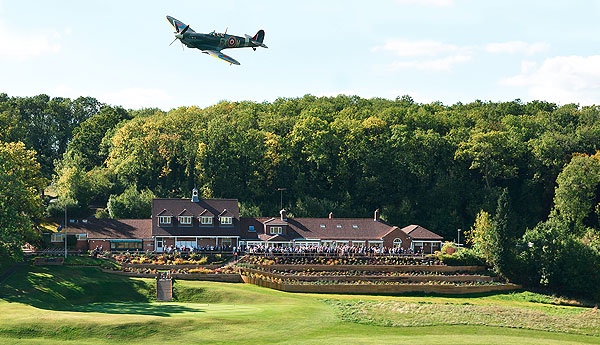
West Kent Golf Club

The 19th hole at WKGC and the watering holes around the area were not known for their liberal debate. The house journal for the men was the “Daily Telegraph” and for the women the “Daily Mail”. My father, not a particularly political man, was at the heart of this for thirty years. They were, of course, all Conservatives in every way. Socially illiberal. Hangers and Floggers. Vehemently ant-Socialist. Their attitude to the working-class was generally either patronising (“Salt of the Earth”) or hostile (“Union trouble-makers”). They were against any social or what they saw as “intrusive” legislation. Especially if a car was involved. So Barbara Castle was a pariah for cracking down on drink driving and introducing the breathalyser and for making seat-belts compulsory. You get the picture. I don’t recall my parents or their Golf Club friends as being particularly racist – black or Asian faces were rare in that part of Kent. But their world was a white Anglo-Saxon Protestant world and Catholics and Jews were certainly looked at with suspicion. 

WKGC is a hilly course and you drive down a big hill and cross a small valley before climbing up to the Clubhouse. One day I was in my father’s car en route to the Club. I noticed at the bottom of the hill a wooden building with a corrugated roof. A few golfers were standing outside it. I asked my Dad what it was. “Oh that’s the Artisans” he said. He explained that this group comprised working-class men who would not be able to “afford” proper membership of the Club. They had their own modest facilities, teed off from the 10th hole nearby. And were banned from the main clubhouse.


It does not follow that if you grew up in this world of privilege and narrowness then you developed political opinions like those of Farage. But it is fair to say that the majority did especially if, like Farage, you did not go to University but went straight into the City. Your mind certainly won’t be broadened by your friends in Downe’s “George and Dragon” ! The Conservative Party was the natural home for those politically active in West Kent. In the main they had political opinions not dissimilar to that of UKIP today – they were Right-Wing Conservatives who leaned far more towards Enoch Powell than they did to Edward Heath. Needless to say Margaret Thatcher was their heroine.


My dinner with the two Nigels was, as I have said, a pleasant evening. I don’t recall Farage being particularly mad or outspoken. Although my politics are of the Left many of my friends and acquaintances are of the Right so there was nothing especially unusual about hearing a few traditionally rightist views from Nigel Farage . I’d been hearing similar for decades in my own family! I didn’t take Farage seriously because he didn’t seem to take himself seriously – it was well-lubricated pub banter and it seemed harmless.

The problem with Nigel Farage is not his unsavoury views about most things – you’ll hear similar all the time in the circles from which he comes. The problem, of course, is that Farage has had for some time platforms from which to spout his nonsense. My Dad and his friends didn’t stand on soapboxes – they mumbled bigotry into their pint glasses and moved on to talk about rugby or cricket. Nobody would have elected them to anything more demanding than the Golf Club committee.


UKIP’s natural home is the members’ bar of West Kent Golf Club and its like across southern England. Sitting on their high stools the members would no doubt refer to “Good Old Nigel” as the “Sort of Chap who talks a lot of sense”. Dissenters (there would be some) would shrug their shoulders and smile – as I did over dinner. They might say that it was all “harmless” and that nobody was going to give Farage the keys to anything that really mattered. But now he has them, the keys to Britain’s immediate political future. In Iain Dale’s Top 100 people of the Right he is at Number one – ahead of David Cameron. We may comfort ourselves that you can never fool all the people all of the time, but then you don’t need to. Dictators only get 100% of the votes when they gain power – not on their journey there.

There is no intellectual substance to UKIP’s policies – but there doesn’t need to be. The support from the Golf Club bores is solid and secure. And now Farage is making serious inroads into the “Artisan” vote as well. To wander down the hill and knock on the door of the wooden building with the corrugated roof smiling your Cheshire Cat smile and pandering to the prejudices of the people there is all in a days work for our Nigel.
You’ve been warned.

A total collapse in public trust

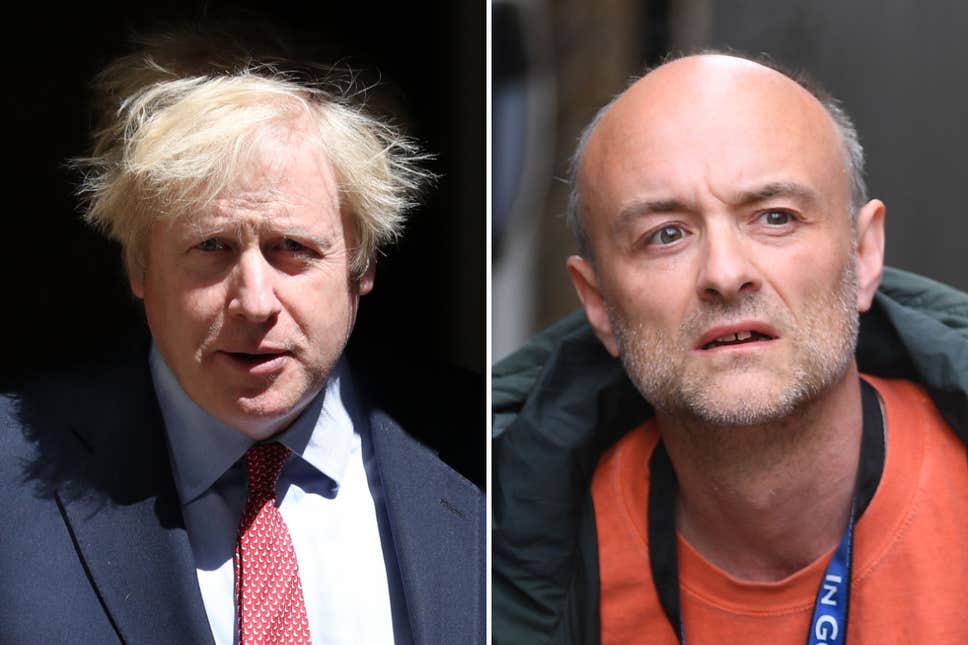
“Black Wednesday” was bad but it was a minor skirmish compared with this total collapse in public trust. External factors caused the ERM chaos; Major and co. handled it badly but it wasn’t entirely their fault. Today’s  problem has been caused solely by just two guilty people; Dominic Cummings who abrogated any right to take part in the future governance of Britain by his actions and his arrogance and Boris Johnson who has destroyed the honour of the great office he holds.

When a public figure so openly reveals his belief that he is above the law it brings that law into disrepute. “Do as I say not as I do” has never been a very commendable instruction from someone of privilege and power. Mix in an obvious contempt for the little people and you move towards tyranny. Presumably these character traits in Cummings were known by Johnson when he appointed him. Johnson was not ideologically predisposed to the extremism of the “Leave” campaign Cummings orchestrated but he saw it was useful to his own ambition. And he happily posed with the bus with the lies about the NHS on its side.

Boris Johnson has lost any dignity he might have had by refusing to rid himself of his turbulent priest. He is where he is because the Hard Right wanted him there. He is a one trick pony – but it’s a handy trick. He wins elections. After the Centre Right Major the Conservatives chose three ideologically Right Wing eurosceptics but  Hague, Duncan Smith and Howard  all failed to win them anything. David Cameron needed a pact with the Liberals to gain power – anathema to the Right and the money men power brokers behind them. Lyndon Crosby , an Australian version of Dominic Cummings, sorted all this in 2015. But an EU referendum was part of the deal.

Post referendum the Right (now the ERG) had a brief and irritating setback with the “Remainer” Theresa May who was never a convincing born again “Leaver”. They plotted to remove her and succeeded. Call for Boris. The problem with Johnson is that though provenly electable he’s lazy and ideology free. He believes in nothing but himself, can’t handle the detail and lacks gravitas. So the ERG backed Johnson with one of their own as they had during the referendum – Dominic Cummings. Cummings does the work, Johnson is the front man.

If you want to understand why Johnson won’t sack Cummings and why the ERG (a convenient shorthand) supports them both you need to understand this history. Cummings with his links to the alt-Right in America and to powerful Right Wing activists like Matthew Eliot here is essential to the Right’s ambition to shift British politics to the libertarian Right. Brexit was a means to that end. Losing Cummings would be a setback leaving the unreliable Johnson exposed and possibly leading to a palace coup. So for now both Cummings and Johnson are safe because, to coin a phrase, There Is No Alternative.