It’s removing inequality of opportunity in the State education system that is the priority.

My parents, as they reminded me from time to time, made sacrifices to educate me privately in the 1950s and 1960s. As Max Hastings points out in The Times today this was just about affordable for them then but today, other things being equal, it would not be. Perhaps 5% of the population can enjoy the advantages of the schooling I had.

My old school has magnificent facilities, good teachers, co-education (an advance on my time) and outstanding examination results. Left Wing firebrand and campaigning atheist the late Christopher Hitchens and his brother Peter went there in my day. Curiously Christopher is quite complimentary about the school in his writings (even the then mandatory twice daily chapel services) whereas to mention it to Peter is a red rag to a bull.
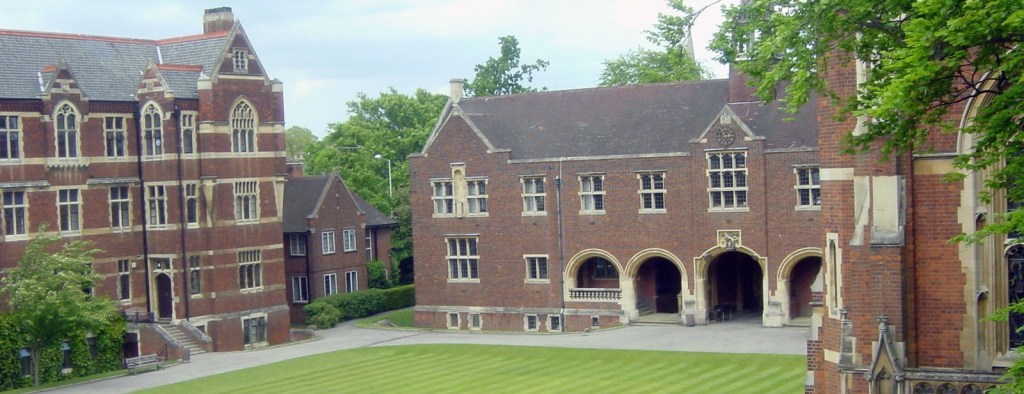
The Leys School, Cambridge

If I had had children (which I didn’t ) and if I could have afforded to (unlikely) I would have sent my son or daughter (or both) to The Leys School. My politics have always been strongly anti Conservative so there’s plenty of hypocrisy in this admission. It would have been partly tradition (my father and uncle were both at the school) , partly pride and a rather boastful indulgence. I would have said, of course, that I just wanted to do the best for my child as my father had for me.

In education Britain is now three nations – a change from Disraeli’s two. There’s the 5% at the “top” who can afford independent schools. Then the rest of the middle classes who can afford the high house prices of living in postcodes with good state schools nearby. Then there is the proletariat who have to rely on bog standard comprehensives. Our education problem is not caused by the 5% at the top – elitist though this may be. (Actually the fact that these children place no burden on the state education budget could be seen as a benefit to the taxpayer).

The problem is that there is inconsistency of standards in the state system which reinforces class and regional inequalities. The High School Academy just down the road from me in the London Borough of Richmond has good facilities and good exam results. We live in the heart of middle class privilege which sets an educational standard that far exceeds that of less privileged parts of the country.

Tony Blair was right to prioritise “Education, Education, Education” but neither he nor his successors have cracked the system. There is no equality of opportunity. Most parents pay for educational advantage for their children in a different way from my parents in the Molesworth era. The independent sector is an indulgence for very, very few. The real challenge lies elsewhere.
It’s not moderation we need to solve Britain’s mess it’s radicalism

Danny Finkelstein in The Times today peddles the view that moderation is some sort of third way alternative to Left or Right. If that’s all it is only the indecisive will vote for it. A negative choice. An easy choice. A compromise. If we reject the Spartite absurdities of Corbyn or the one issue narrowness of Johnson (pragmatic but grubby) surely we want an upbeat alternative not some “On the one hand and on the other hand” fudge.

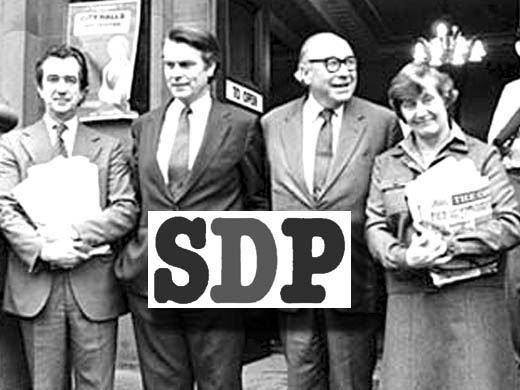
I was in the 1980s in the same political party as Danny – the SDP. I suspect that he joined, as I did, not because of its centrism but because of its radicalism. The Gang of Four weren’t cuddly liberals at all (though they did a deal with them for pragmatic electoral reasons). They wanted to create a new politics.

The SDP were radicals not moderates !

And that’s what we need today. Not moderation per se but a radical repositioning of the political options that the voters will buy. My short manifesto would be:

▪️Electoral reform. A fair voting system. Smaller House of Commons

▪️Abolition of the House of Lords and an elected Senate to replace it.

▪️Proactive partnerships with other countries, especially in Europe with EU27/EFTA

▪️Defence fully integrated with allies

▪️Far greater devolution of decision-making to the regions.

▪️Unequivocal support for a mixed economy.

▪️Extensive public/private partnerships for all public services.

▪️Abolition of private sector monopolies especially in public services.

▪️Full Integration of Channel Islands, Isle of Man etc. into Britain.

▪️Disposal of all overseas possessions – no more tax havens.

▪️Expansion of direct taxation on an ability to pay basis (inc. Wealth Tax)

▪️Reductions in indirect taxation.

Now don’t commend me if you agree with me because of my moderation but because I am a Radical. Some of these ideas libertarians might like, some moderate members of the Labour Party. Fine. But there is no ideology here just, I pride myself (!) common-sense.

British politics is a shambolic mess and we won’t get out of it with fudge. Let’s start again.

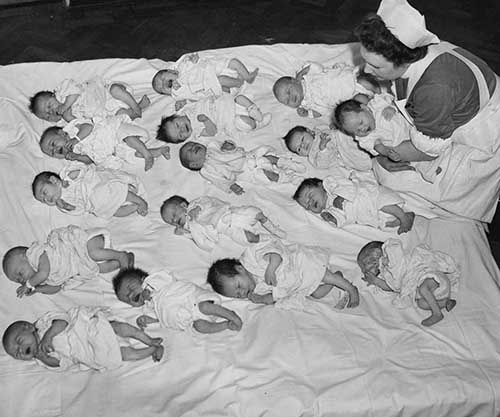
The real “Baby Boomers” were born in the immediate post war years. My mum told me why.

My mother was clear about what a “baby-boomer” was , why the boom happened and that I was part of it. I was born in 1946 at the beginning of a short period of a high birthdate with, according to Mum, a very specific cause. My Dad had returned from the war after being liberated from Japanese imprisonment on VJ Day. When he got back in September 1945 Mum was pleased to see him. I was born a little over a year later.

In the Labour ward where my mother gave birth there were eighteen other births the same week – it was a very busy time. Of the eighteen babies seventeen were boys. My Mum explained – “God” she said (she was a bit religious) “is replacing all the men lost in the war with boy babies. It happened in 1919 as well”. That was the real Baby Boom – it lasted at the most until 1950 and it’s obvious why it happened even if you find my Mum’s gender bias explanation a tad fanciful.

The birthrate in the 1950s and 1960s may have been healthy but it wasn’t the real “Baby Boom” of happy memory. There was a good reason for the spike in births in the late 1940s and those of us who were part of it find it rather moving. The recent horrendous war was over – no better way to celebrate the peace than to have a family. The later breeding patterns in the 1950s and thereafter may have been healthy but the real “Baby Boom” of happy memory was earlier.

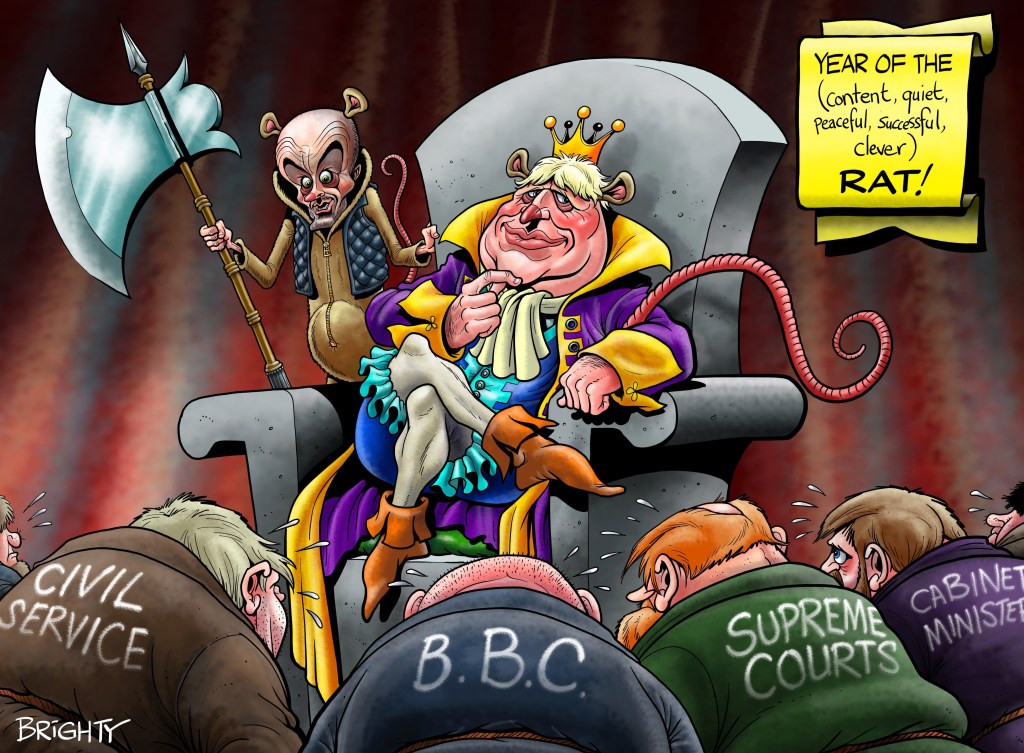
Do as you’re told, in the court of King Boris

Writing in “The Times” yesterday Max Hastings deplored the low quality Of Boris Johnson’s Cabinet. He suggested that Rishi Sunal and Michael Gove were the only members who deserved their places.

Well in the land of the blind the one-eyed man is King. The truth is that there is no way Rishi Sunak would be Chancellor of the Exchequer if times were normal. His potential would no doubt secure him a Junior ministerial job in the Treasury with a “Let’s see how you get on “ brief. A few years down the road he might get promotion to Minister of State. Perhaps. As for Michael Gove this superficially genial (in private) man is a walking cocktail of pride and prejudice. He can fake competence but he’s a nasty bit of work. And these two (I agree) are the best of a gruesomely bad bunch.

British life as Mr Hastings and I know it (we are the same age) has been destroyed by Brexit. The alliances of the past were complex and sure there were disagreements. Blair and Brown was pretty toxic but despite this they were competent – as were many others in their cabinets. It was sad that they fell out having worked so well together in the run up to 1997. Ten years earlier the Blessed Margaret did not demand, and would not have received, blind loyalty. She was in charge and preferred to be with those who were “one of us”. But her cabinet was not stuffed with Yes Men. And other elements in society, like the Civil Service or the Justice system, were not expected to kowtow to her.

Worship not dissent is demanded in the court of King Boris.

The Brexit divide is antithetical to normal British politics. Those opposed to Brexit in the Conservative Party have fallen from a strong majority to barely a lunatic fringe. We are in the times of Henry VIII here. To be in the monarch’s favour and receive his patronage you had to sign a document pledging your allegiance to him. Otherwise you would lose your job or your head. So it is with King Boris – to be in his court you have to be a Brexiteer, or convincingly pretend you are. There is only one true faith and you better declare your belief in it. Whoever you are.

In a political environment so singular and intolerant of dissent those who rise to the top will not be those who challenge orthodoxies. When Theresa May fell those in her cabinet who wavered fell as well, never to return. Some outstanding dissenters on the back benches Like Dominic Grieve and Anna Soubry were, one way or another, kicked out of active politics. Ken Clarke, no doubt in respect for his age and previous service, made it to the Lords rather than the Tower. How he’ll feel in the company of Claire Fox and Kate Hoey and Ian Botham one wonders.

So to be in Boris Johnson’s Cabinet you have to submit to the authority of he who must be obeyed (aka Dominic Cummings) and kiss the feet of the monarch. And that requirement won’t promote the best talent. You won’t get cream at the top of the bottle – just sourness everywhere.

VJ Day – my personal pause for thought

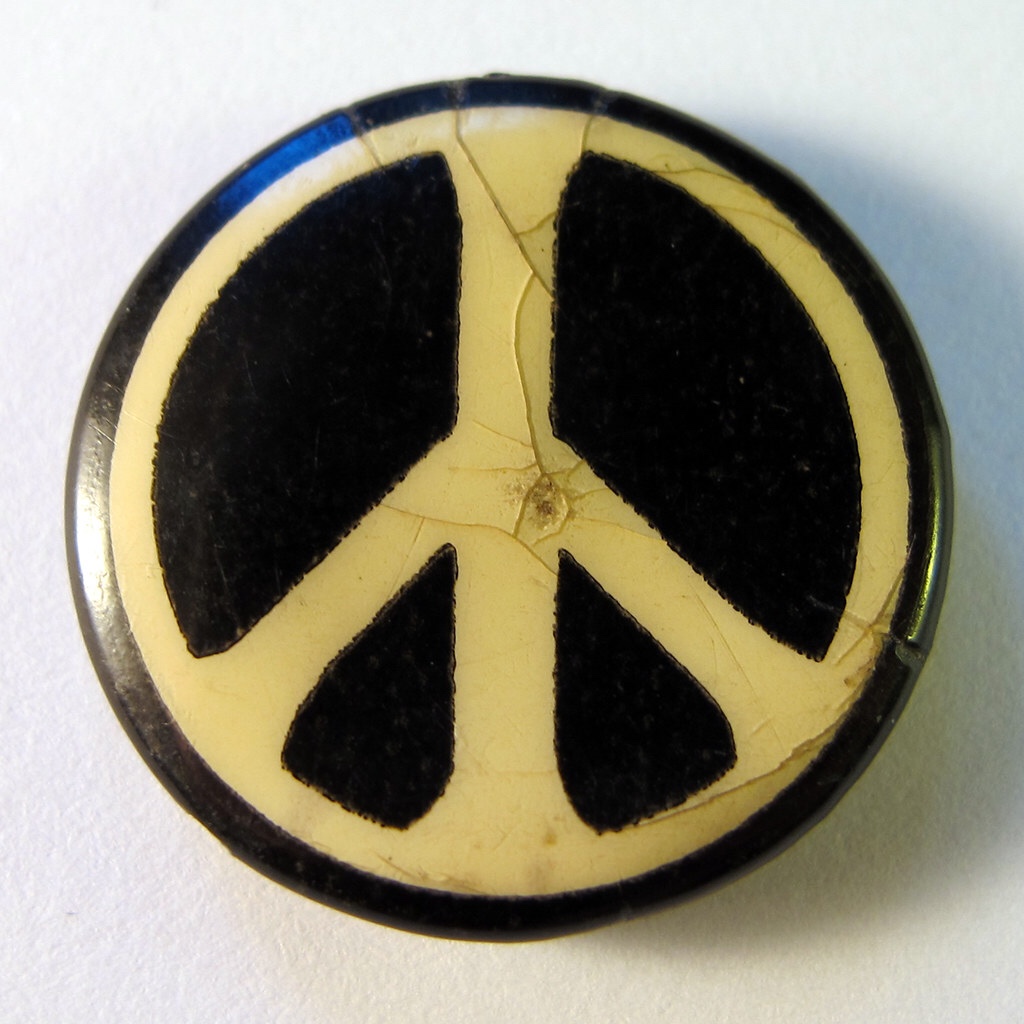
So it’s 75 years after VJ Day and a few days after the anniversaries of the Atomic Bombs being dropped on Hiroshima and Nagasaki. In the early 1960s I became aware, in my early teens, of the fact that atomic weapons had been used to end the Japanese war. And also that, fifteen years, on countries, including Britain, had stockpiles of weapons far deadlier than those used against Japan. I joined the “Campaign for Nuclear Disarmament” (CND) and proudly wore their badge. I still support CND – how could anyone not?

My CND badge

One day in 1960 I returned from boarding school at the end of term wearing my CND badge on my blazer. My father went purple. “Don’t you know that without those Atomic bombs I wouldn’t be here,and nor would you” he said rather dramatically. When he explained I saw that he was almost certainly right.

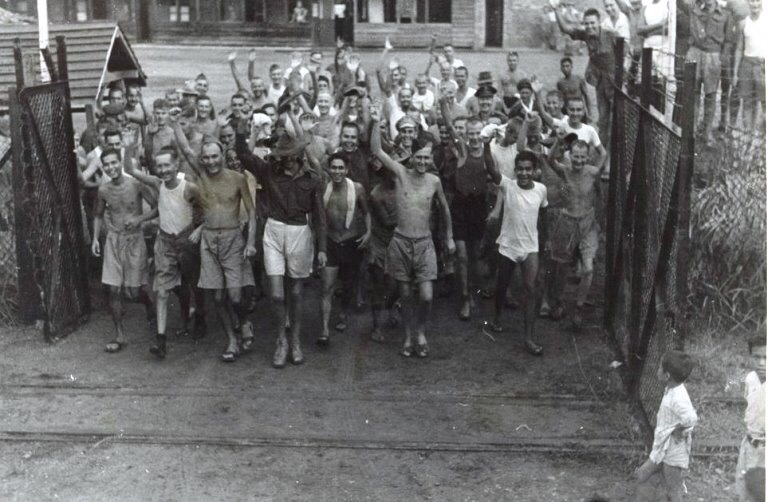
From the capture of Singapore in February 1942 to his release in August 1945 my father was a Far East Prisoner of War on the Thai/Burma railway. He and other officers had built a radio receiver (Dad kept the earphone in a shoe) and via this they kept in touch with the war. They knew that the war in Europe was over and that Hitler was dead. They also knew that the Americans were making progress, at high cost, in defeating the Japanese.

To beat the Japanese a task force for invasion at least as large as D Day would be necessary. The Japanese defence of their islands was strong and their culture denied the possibility of surrender. A long hard battle was ahead, or so it seemed. The worry for the POWs was that they would be seen as an inconvenience. A few men were needed to repair the Railway which was under constant Allied attack. But Dad and his fellow prisoners were more burden than asset. Their concern that the Japanese would at some point dispose of them was a legitimate one.

For the Americans the prospect of a long drawn out conventional war, including invasion, was unappealing. Tens of thousands would be lost on both sides as had happened after D Day in Europe. The Japanese Government and Armed Forces were at least as fanatical as the Nazis had been. A game changer was needed.

For over five years scientists had been working on the “Manhattan Project” in the US the goal of which was to produce an Atomic Bomb. The first test was successful in July and the decision was taken to use the weapons against Japanese cities, first Hiroshima and then Nagasaki. The rationale was to end the war quickly and to avoid the military and civilian casualties that a conventional war would have involved. Incidentally it was hoped that a very swift end to the war would see the immediate release of allied prisoners and slave labourers from the camps.

A digression. A couple of years ago I visited a German friend in Hamburg and he took me to the top of the St Nicholas Church from which there is a fine view of the modern city. Historic Hamburg had been destroyed by allied bombing in 1943. Over fifty thousand civilians had been killed. In 1945 bombing of a similar intensity had killed 25,000 in Dresden.

Hiroshima and Nagasaki ended the Japanese War. My father and tens of thousands other FEPOWs were liberated shortly afterwards. It’s difficult to calculate how many deaths the atomic bombs caused – perhaps twice as many as Hamburg and Dresden combined. But this is not about the head counts – Allied lives saved by not having to fight a land war to defeat Japan. Or saved because, like my father, they were liberated from imprisonment rather than being butchered as they might well have been.

Liberation of FEPOWs from Changi jail Singapore August 1945

When as a child I began to realise the chilling truth that I almost certainly only existed at all because a hundred thousand or more Japanese had been killed by two atomic bombs it reinforced by opposition to nuclear weapons and confirmed my support for CND. I’m conscious of the huge paradox here !

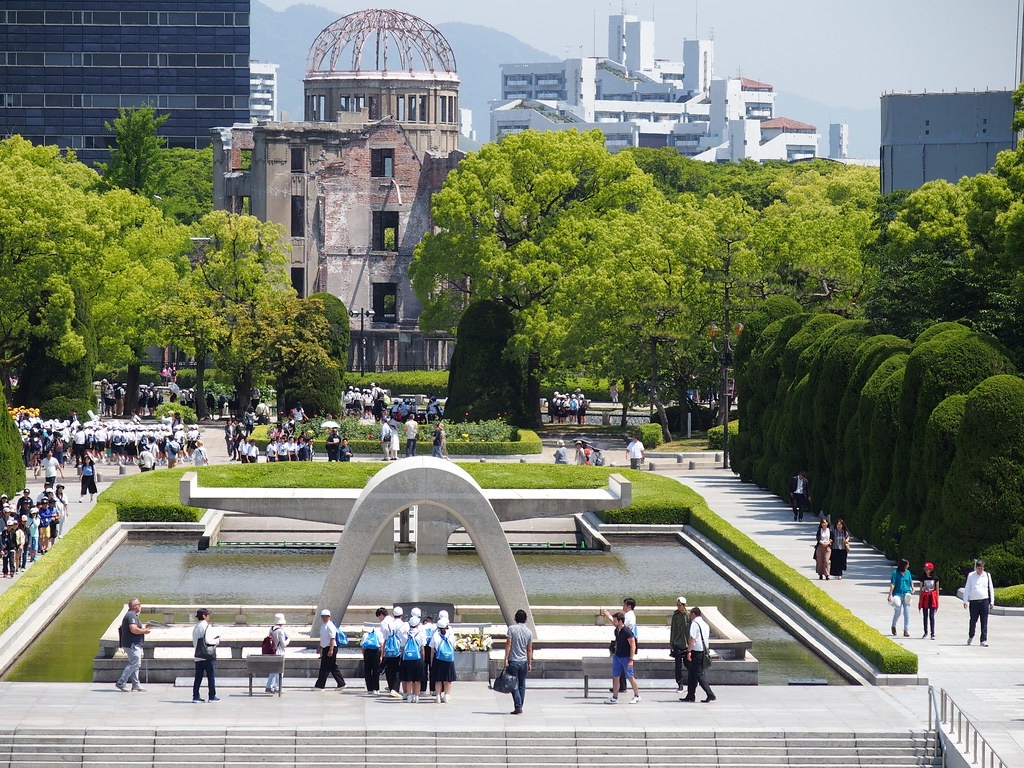
Some years ago now I visited Hiroshima – it is a respectful record of man’s inhumanity to man. But then so is Coventry cathedral and so are the war graves along the Thai/Burma Railway. I have visited Japan quite frequently and made a few good Japanese friends. Some knew of my father’s suffering and I knew of the suffering of innocent people in Hiroshima. We didn’t need to talk about it.

Hiroshima’s peace park

For me VJ Day is more a commemoration than a celebration. Amen.

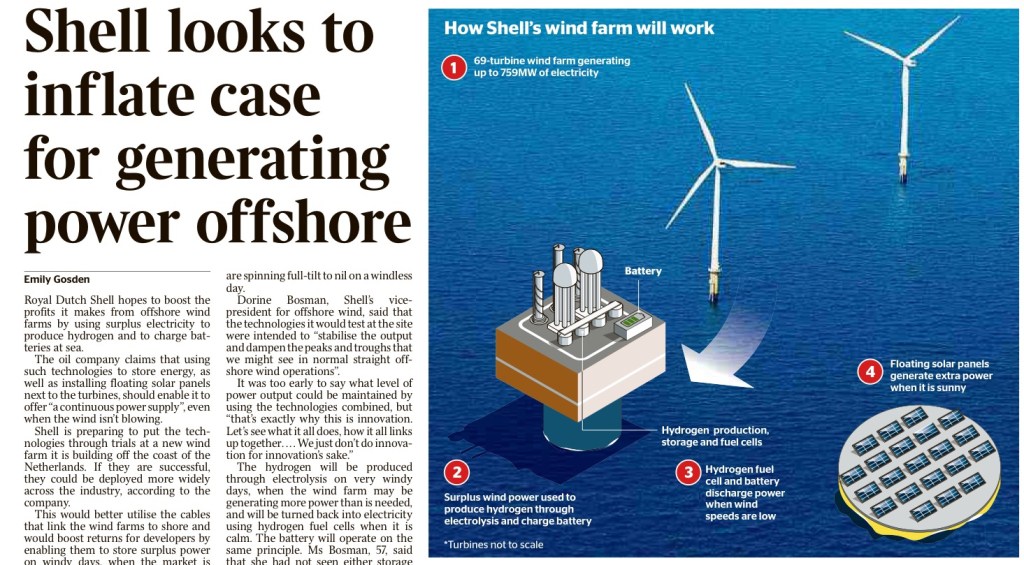
Shell blundering into something for which they have no collective corporate memory

“The Times” 15 August 2020

The key aspect of this project, acknowledged here, is that Shell is in partnership with a company called Eneco. Eneco is renewable energy company – they bring the expertise and experience. So what does Shell bring? Very little other than a capacity to raise capital in substantial quantities.

Shell has no collective memory in renewables – other than a series of past failures. There is no renewable energy history of success anywhere in the corporation – from Forestry to Solar to Wind Shell has dipped toes in the water and fairly swiftly withdrawn them.

Years ago in “In Search of Excellence” Tom Peters advised companies to “Stick to the Knitting” and this Shell has done with considerable success. You don’t become the world’s leading Oil and Gas corporation by taking your eye of the hydrocarbon ball. From Nuclear to Coal to Agrichemicals to Power Generation (and many others) Shell’s step out activities have eventually been abandoned. When playing around with Forestry Shell ran a TV Commercial which claimed that Forestry might “one day be our biggest business” – they sold it the following year.

The collective memory of hydrocarbons in Shell is considerable. That memory is technical and commercial. Oil and Gas is what they do because they always have. Frankly, as Tom Peters knew, it’s very different to teach monkeys to do new tricks. Shell is very big but not because it has diversified by acquisition – that never seems to work. Decades ago Shell went into Metals by acquiring Billiton. The logic was that looking for and extracting minerals was the same knitting as oil and gas. It wasn’t and the corporation struggled to make it work. Billiton went the way of other diversifications and was sold.

The future for oil and gas is not as gloomy as some predict. There are many “oil specific” uses of oil that will remain so for the foreseeable future. These include much of transportation including aviation, marine and a lot of road. The technology breakthrough that makes electric vehicles as convenient and cost competitive as petrol driven ones has still to happen. Across Northern Europe, Canada, the United States and elsewhere homes will continue to be heated by gas boilers. The hydrocarbon game is far from up.

The Oil majors are not popular but they do not create demand for the products they make, they supply it. This is nothing to be ashamed of. Grabbing the headlines briefly when you set up a Forestry or a Solar or a Wind business might make Shell’s high-priced help feel better when they face the strident environmentalists who chastise them. But the reality is that oil and gas is what they do and always will – so long as society needs energy from these sources. And that will be for quite a while yet!

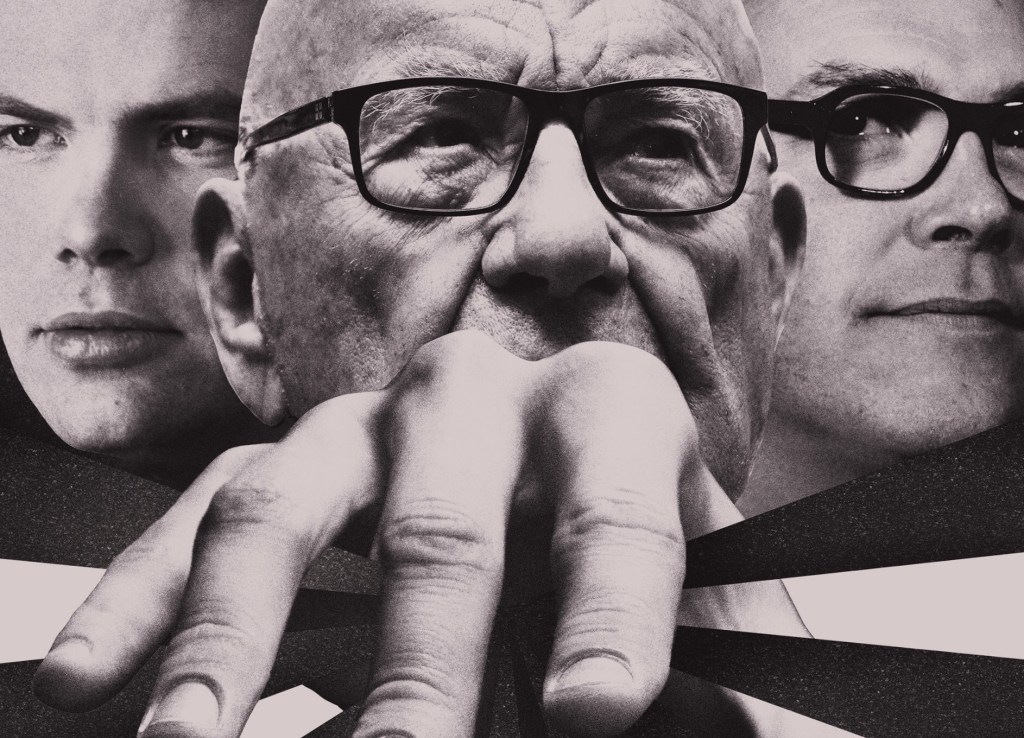
“The Murdoch Dynasty” – the Divine Right of Rupert

“The Murdoch Dynasty” was pretty good and informative – and shocking. Power corrupts and near absolute power corrupts absolutely. Murdoch is a winner and that pursuit of victory is ruthless and never fails. He was not destroyed by the Millie Dowler story (as he should have been) but strengthened. Nobody else could have done that.

Many have taken the Murdoch shilling and still do. Power and wealth go hand in hand – power gives money and money gives power. Tony Blair and countless others have known that. Tony was blinded by the power and Cherie by what wealth brings. They weren’t the only ones.

In the West we delude ourselves that we live in democracies and that we have checks and balances to curb the excesses of power. Murdoch shows how delusional and dangerous that is. Rupert Murdoch resembles Louis XIV – an earlier “Sun King”. We may have abandoned the “Divine Right of Kings” – but not the divine right of Rupert.

Prejudice and bigotry is rife in Britain today

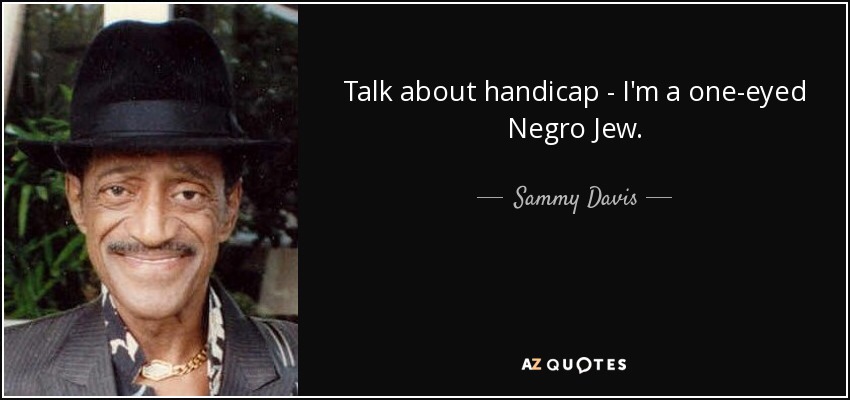
Sammy Davis Jnr once famously called himself a “One-Eyed Negro Jew” which as well as being true added disability (Davis has lost an eye in an accident) to racism and Antisemitism. The truth was, and is, as Davis knew from personal experience that Societies often try and marginalise those who are different. And from the seeds of petty prejudice the oaks of genocide can grow. “The Holocaust” would have not been possible had the German people not “known” , or been persuaded to “know” of the “inferiority” of the Jewish race.

We have seen government ministers and other supporters all over the social media in recent weeks hailing the tolerance, lack of prejudice and opposition to racism of the British people. Hard right commentator Tim Montgomerie, tweeted

“Britain is one of the kindest, least racist societies in the world but the way Labour politicians like Dawn Butler rush to think the worst of our institutions, like the police, explains why their Red Wall seats tumbled so spectacularly to Boris Johnson. And why they’ll stay blue.”

The “Red Wall” seats actually “tumbled” because of underlying racism and xenophobia rather than because their electorates are kind and tolerant. Of the many prejudices at work Islamaphobia was perhaps the most significant. Be under no illusion the EU referendum was won in no small measure because of the stirred up anti Muslim prejudice of many. That’s why the Vote Leave campaign ran the wholly erroneous message that Turkey was joining the Union – subtext “Lots more nasty Muslims will come if we stay in the EU.”

Wholly erroneous Islamaphobic message from the Leave campaign

The Establishment is in denial about racism, antisemitism and islamaphobia. But the truth is they are everywhere in Britain today. “Britain First” is not just the name of a racist, fascist action group. It’s implicitly the slogan of our government. Look at the preposterous overreaction by the Home Office to the displaced person Boat People. This needed careful, considerate and humane handling. It got a populist parade of prejudice from the Home Secretary and military action. That will have gone down well with the bigots in the Red Wall seats.

The Right does not support the “Black Lives Matter” slogan. Boris Johnson hasn’t and won’t “take the knee”. Nor, incidentally, did the Rugby League players of Wakefield Trinity despite their opponents Wigan doing so before a recent game. Wakefield is one of the Red Wall seats that kicked out their Labour MP last November. Go figure.

Wakefield Trinity refuse to take the knee

I have no solution to these problems but I do know that to deny they exist doesn’t help. I agree with Lord Finklestein, writing in The Times today, that the campaign for racial justice is more than the campaign for any one group and that working together has merit. But recent elections in Britain (including the referendum) have shown that a significant and influential minority of our citizens are racist (or borderline racist) islamaphobic and xenophobic. It’s not comfortable to have to face this reality and it’s not easy to deal with it. But it’s a fact.

“Boris” the most powerful political brand of our times

“Beware the Smile of an Englishman” James Joyce

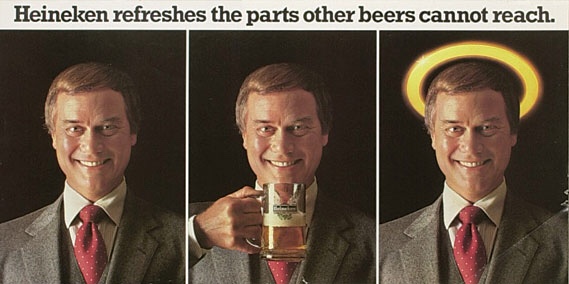
The wholly grail for a marketer is when the public, especially your customer targets within it, adopt a slogan and start using it colloquially. Remember Heineken and “Reaches the parts ” or Carlsberg with “If Carlsberg made…” ? Drinks seem especially strong in this area but so can politicians be.

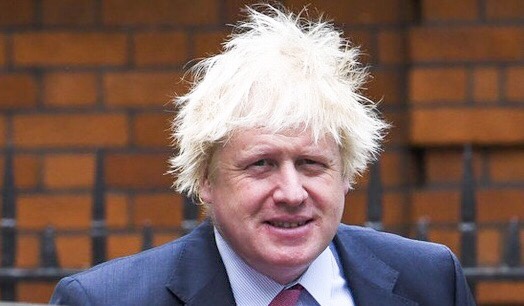
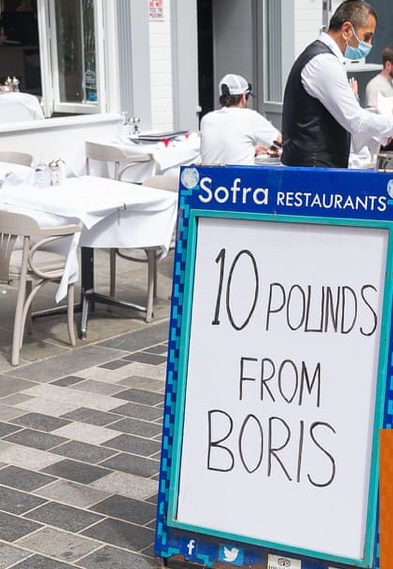
In the 1980s everyone knew who “Maggie” was just as a few decades earlier they knew “Winnie”. Alexander Boris de Pfeffel Johnson has achieved the same. The rental bikes in London introduced when he was mayor became known as “Boris bikes” and now he is Prime Minister he’s known as “Boris” by all – it’s a branding triumph.

Whatever darkness lies behind the brand name (and in Johnson’s case there’s plenty) you can’t deny its brilliance. It’s distinctive, which a brand has to be, and in its sector unique. Johnson is the “Guinness” of politics unmistakable and unique. “Maggie” was the same.

When your brand enters the vernacular you’re winning

When we know people well we refer to them by their first name. Even if we haven’t actually met them. There’s only one “Harry” for a Spurs supporter. There was only one “Fergie” for a Manchester United fan. In politics this is fairly rare. Blair was always “Blair” not “Tony” and that applies to his detractors and opponents as well. It’s difficult to use the name “Boris” in a negative way which is why many of us who are resistant to his charms him try to say “Johnson” – it’s not always easy.

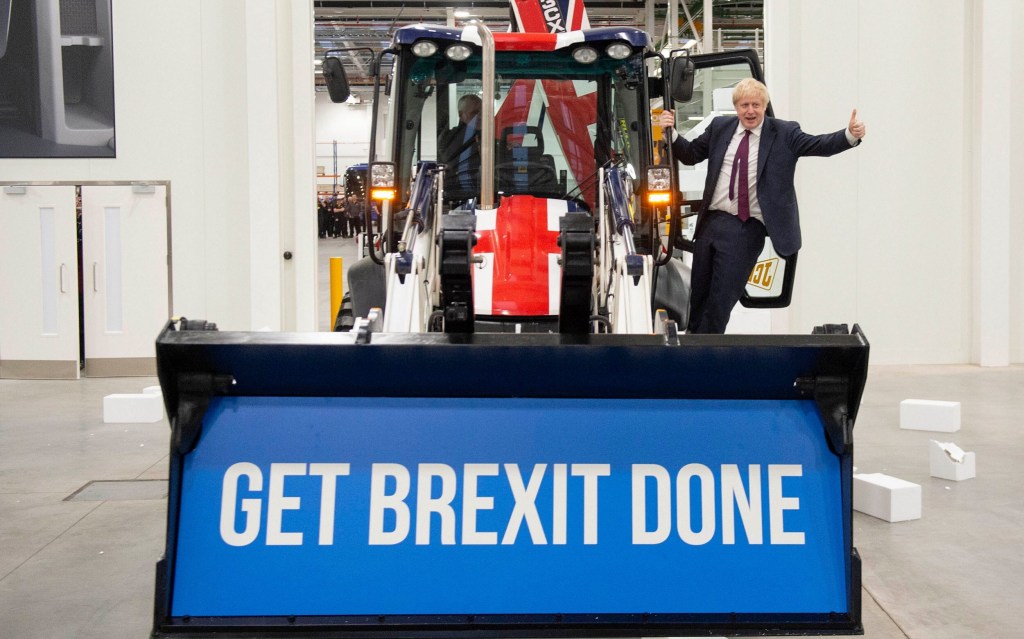
Brand “Boris” is familiar though it is a veneer covering little of substance. In the 2019 it was associated with the “Get Brexit Done” slogan and the image of Johnson on a bulldozer driving through a wall was perfect symbolism. Boris will get things done was the take out, and it worked.

Sir Keir Starmer also has an unusual first name and he does have the opportunity to build a “Keir” brand but I’m not sure it will work. He really isn’t superficial enough, and the “Sir” doesn’t really add to what is already a cerebral and quite elitist identity. But “Boris” doesn’t have to explain himself – he may appear to some to be a shallow buffoon but for most he’s “Our Boris”. His very shallowness is part of his strength. He’s a bit of a card and distinctive and visible. He looks a shambolic mess most of the time but that’s a positive – his visual identity isn’t “man of the people” at all but it is unique and wholly consistent with the singular brand name. There’s no one quite like him.

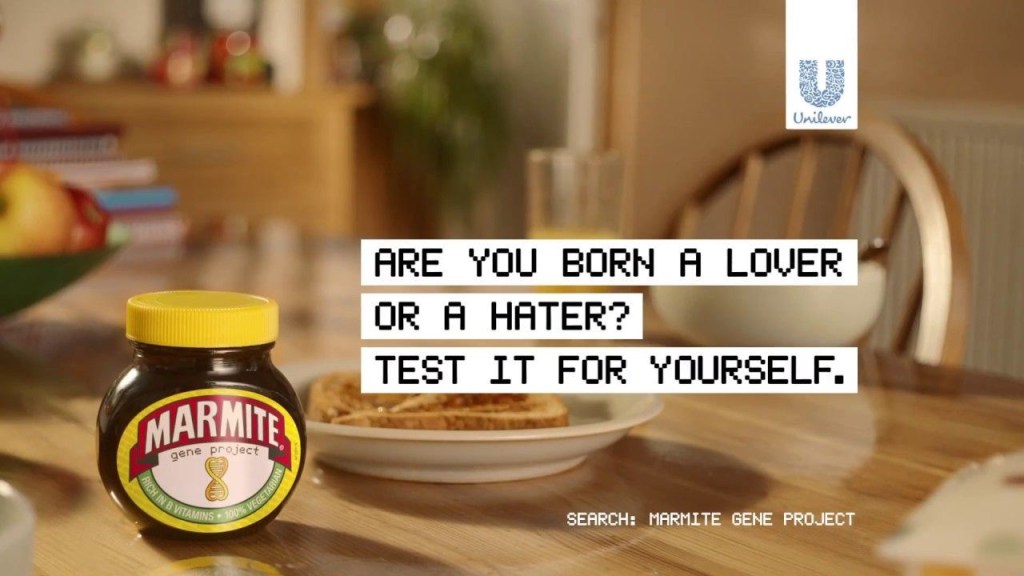
The brand that most relates to Boris Johnson is “Marmite” – something of a cliché for something you like or loath. Marmite cleverly turned this aspect of their brand identity into a campaign. Are you a “lover” or a “hater” they asked. Give us a try and find out. It’s the same with Boris – we are mostly sanguine about giving the old fraud an extended trial. Is he as fireproof as he seems – the opinion polls suggest he may be. The Conservatives remain comfortably ahead in the polls – despite everything, and that’s quite something.

Brand Boris is an asset that only appears once in a political generation. Charismatic power is effective and difficult to challenge. Churchill had virtually no opposition during the war, his leadership and his power were based on his charisma. Johnson is no Churchill but the power is similarly based, as is the powerful visual presentation of his distinctive brand.

The only consolation I can offer is that the rather dull, cerebral and Starmer-like Clement Attlee trounced Churchill in 1945. At some point voters may see through the image and view what lingers beneath it. But that is unlikely to happen until 2024. By which time the transformation of Britain into a nationalist loner of a State, for which grinning Boris is the front man, may have happened. As James Joyce put it :

“ Beware the horns of a bull, the heels of the horse, and the smile of an Englishman.”

Sit and Vote in the House of Lords because a PM likes you?

Whatever views we hold we should not have the right to express them as a member of the upper House of our Parliament just because a Prime Minister likes us (or one once did). And not just express them but vote as well. We were once governed by the divine right of Kings and by men in Ermine who got into the House of Lords when their noble Dads died. We still have an unelected Head of State but at least she is a constitutional Monarch and her role is largely ceremonial. But our upper House is now based not on hereditary but on patronage. Not much of an advance that is it ?

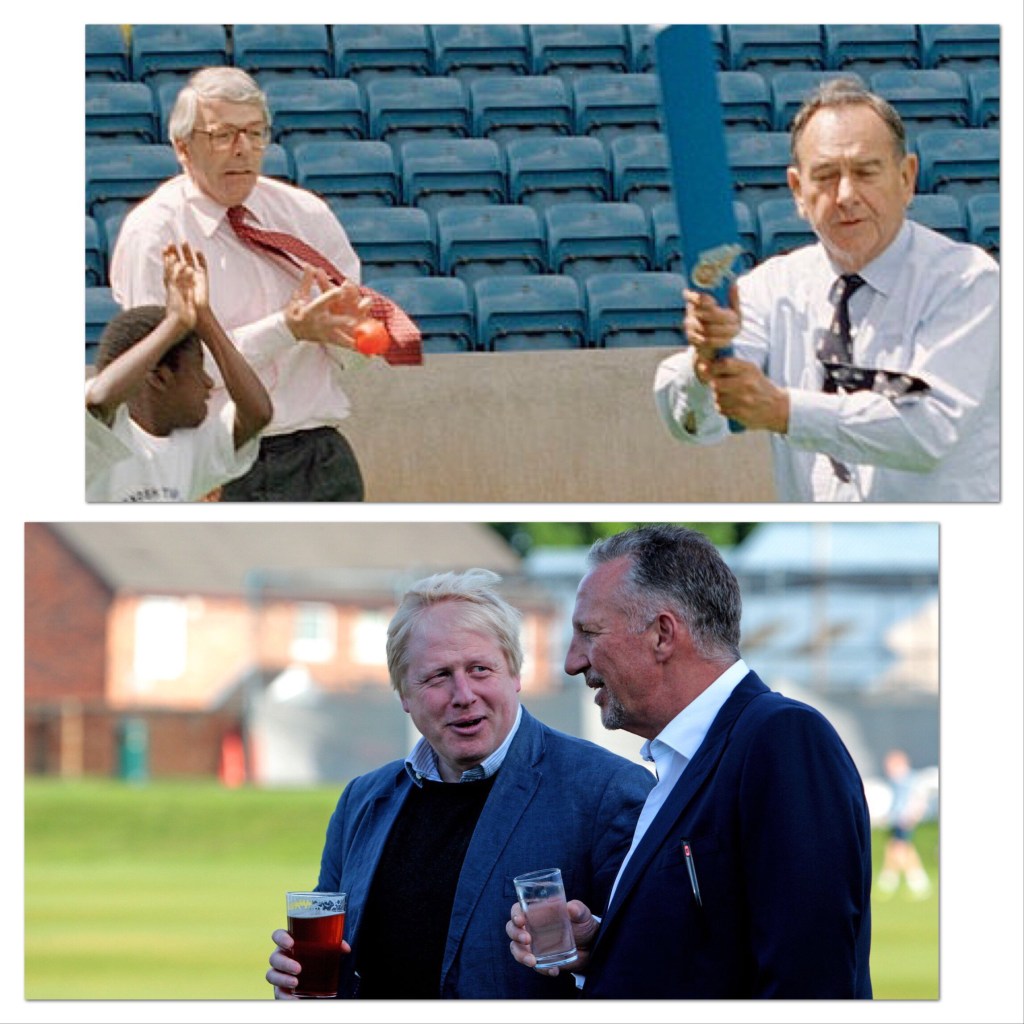
Major and Cowdrey, Johnson and Botham

The late Colin Cowdrey, a cricketer, became a Lord because the then Prime Minister John Major enjoyed his company over a late night whisky. One of Cowdrey’s successors as England’s captain, Ian Botham, became a Lord because Boris Johnson liked the fact that the otherwise apolitical (but Blimpish) ex-cricketer supported Brexit. Both Cowdrey and Botham had previously been knighted for services to cricket (and charity) – just reward you might think, certainly sufficient reward by any logical measures.

Red Rum

Emperor Caligula made his horse Insitatus a Consul. If John Major had preferred horse racing to cricket perhaps Red Rum rather than Colin Cowdrey would have been ennobled. The point, of course, is that to have patronage rather than election the method of choosing a member of our Parliament is profoundly undemocratic. If your mother was as dysfunctional as our “Mother of Parliaments” you’d be booking her a place at Dignitas.