
“Patriotism” is actually a tricky word to define. The reliable OED says “quality of being patriotic; devotion to and vigorous support for one’s country”. The interesting thing here is that the dictionary is saying that a Patriot is proactive (devotion… vigorous) suggesting that it is not really normal – it requires some sort of extra effort. This rings true to me.
I’m happy to be British (most of the time!) but I’m not proud. I didn’t achieve Britishness by dint of my efforts, there was nothing I could do about it. Nor do I take any narrow pride from British history – like most nations that’s a mix of the good, the bad and the ugly (very ugly indeed sometimes). Nor really from our character. I think we can be very funny at times and our sense of humour pleases me. But we can also be insular and pompous and borderline xenophobic.
But what about the English as compared with the British? It’s confusing. Flanders and Swann only exaggerated slightly in their “A Song of Patriotic Prejudice: “The English, the English, the English are best I wouldn′t give tuppence for all of the rest!”
In this good example of British humour the song whilst promoting the English calls the Irish, Welsh and Scots “stinkers” and otherwise insults them. It’s a joke , of course, but there is more than a hint of assumed superiority which comes from England always having been the dominant nation in the UK. “United” in name only some might say.

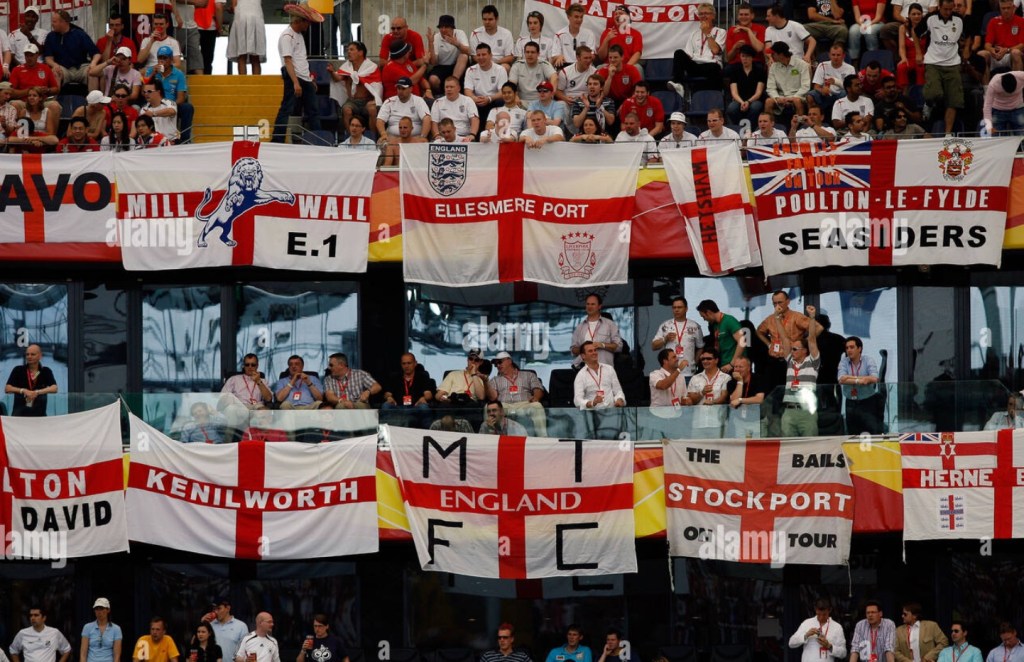
The distinction between being “English” and “British”, especially in sport, is today far more nuanced than in the past. At Wembley in 1966 (above) it was the Union Flag which was displayed. The cross of St George was nowhere. Forty years later this was the crowd at the finals:
Which brings us to the current controversy over the painting of the English flag gratuitously and illegally in public. As here in Derbyshire:
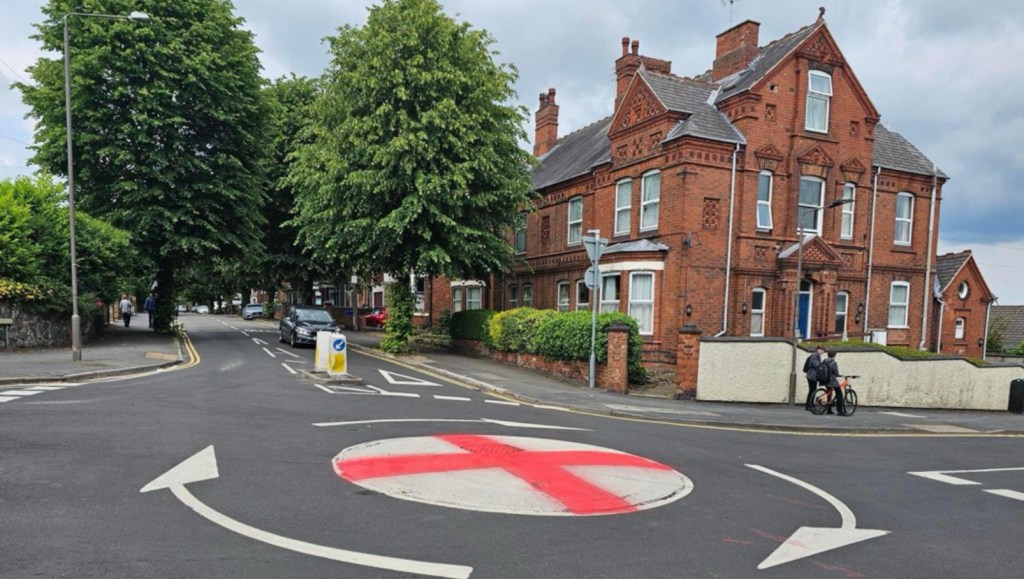
Those that did this did so, or so they claim, to demonstrate their “patriotism”. But in reality this sudden rush to display the flag of England (or in some cases Britain) is driven by more divisive motives. It is an overt protest against immigration sponsored by the Far Right. The undertone is xenophobic and racist. “We are in a dangerous moment,” says Lewis Nielsen, an anti-fascist officer at Stand Up to Racism. In the context of increased far-right protests and encouraging political rhetoric, he says, “the ‘Operation Raise the Colours’ [as it is called] was never about flags, it’s about giving confidence to racists and fascists to target refugees and migrants”.
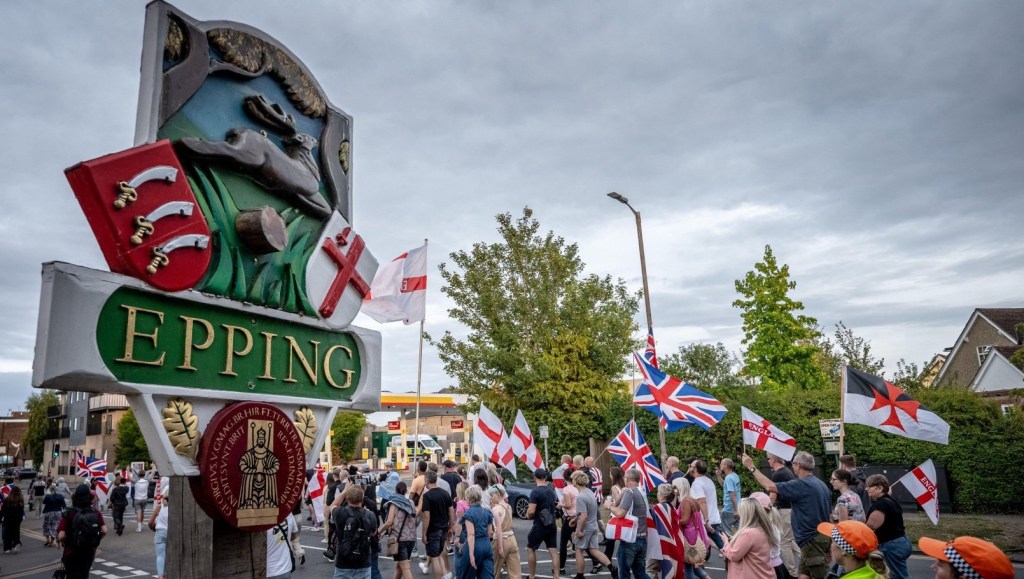
The London Borough of Epping has seen major protests as seen here reported in The Guardian.
The extreme faux-patriot might be thought to believe “My country, right or wrong…” but that, as Chesterton put it “is a thing that no patriot would think of saying. It is like saying, “My mother, drunk or sober.” In fact the Epping protesters, and their fellow travellers, would agree. On immigration policy they believe their country is profoundly wrong.
So what then is “Patriotism” ? Does it mean what any individual, group or political party wants it to mean? In other words it’s not an absolute but very flexible in its definition. The Prime Minister wants to be associated with what we might term “Good Patriotism” :
Asked if the PM was supportive of people who flew English flags, a spokesman said: “Absolutely, patriotism, putting up English flags. We put up English flags all around Downing Street every time the English football team – women’s and men’s – are out trying to win games for us.”
Few would argue against patriotically displaying an English flag to show support for an England sports team. But that’s emphatically not what they are doing in Epping (etc.) ! Here the flag has been hijacked by the Right to become a symbol of xenophobia. I doubt that the PM is “supportive” of people who do this. At least I hope not!
The core of the issue is, then, the contrast between what I’ve called “Good Patriotism” and the pretence that Nationalism is analogous with Patriotism. This assertion goes back decades with the overtly racist “British National Party” using the English and British flags in it’s literature (etc) :
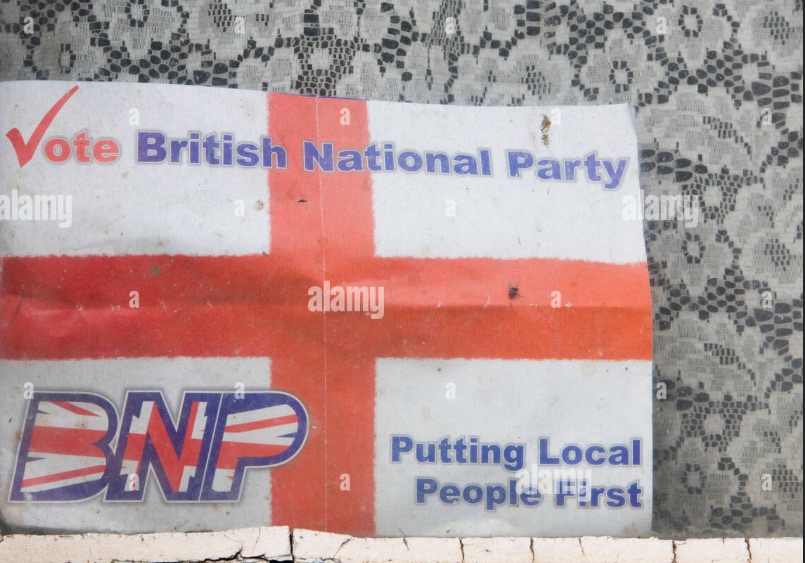
It is a “dangerous moment” as Mr Nielsen says. Nigel Farage’s Party “Reform” claim that they are the [only] “true patriots” in effect hijacking not only the flags but the very concept of patriotism itself:
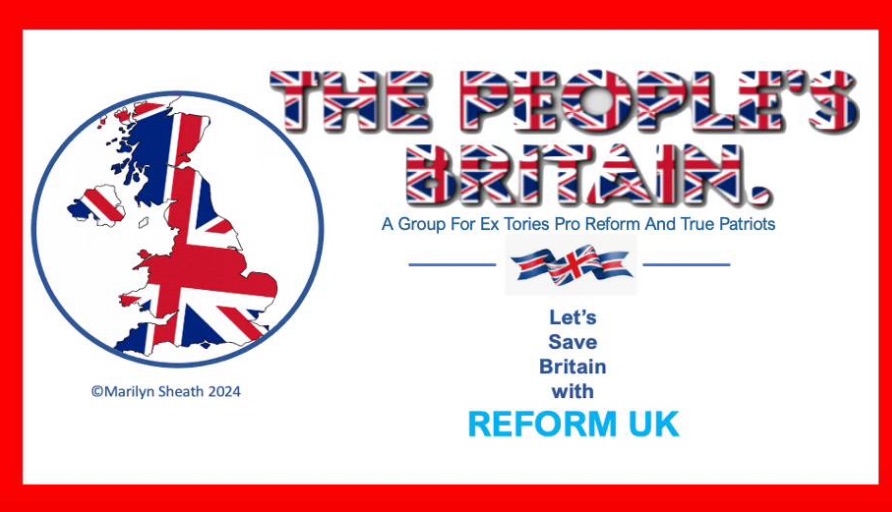
Those of us who believe that a measure of patriotism has its place (especially in a sporting context) should resist this trend and reclaim the term and our flags.
 Paddy’s Blogs in a crazy world
I am not an English patriot, or a British one. I am a European with Scottish blood. My ancestors were slaughtered fighting the English at Culloden. So the flag of St George is an anathema to me.
That said I was born in Yorkshire, so I have to accept the horrid black passport and call my self English to officials.
Ian Dunt, writing on Substack, has a lot to say about the current situation in England. Dunt believes the British and the current government have lost their morality and the country is in crisis. I agree.
The current xenaphobia we are witnessing, is a throw-back to the National Front days and Oswald Mosely’s black shirt fascists. The flag is the same symbol, the same message. They use it because they think its an acceptable method of propaganda. If you use anything to represent a hateful message the symbol itself becomes an obscenity. It’s only a flag but it’s use morphs into something else. So whenever its innocently displayed and sporting matches and elswhere it becomes part of that same message.
Farage and Reform carry that responsibility for their twisted, morally repugnent, politics.
LikeLike