Today’s headlines have been grabbed by the Government’s announcement that the sale of petrol/diesel cars will be banned by 2030 and hybrids five years later. There is zero chance of this actually happening.
Approximately 2% of current passenger cars are electric. Over the ten years to 2030 this percentage will gradually increase as electric cars become more affordable and as technological changes give them a better range . But the breakthrough which makes them as practical and as affordable as petrol/diesel vehicles is yet to happen. Similarly the economies of scale of high volume petrol/diesel engine manufacture cannot be equalled for electric-powered engines at present. In short an electric car costs more and has a much more limited range than the alternative.
For new car sales all to be of electric cars in 2030 is an improbable stretch target. Even if it happens people will continue to make rational purchase decisions up to that date. Will we switch to buying more expensive less practical cars voluntarily? It seems highly unlikely. Government can offer financial incentives to persuade us of course but to do this would reduce government revenues. It will be a good few years before the Treasury will countenance that!
Electric vehicles pollute much less than petrol/diesel but the electricity has to come from somewhere. At present except in exceptional circumstances most of our daily Power comes from Natural Gas. So for the switch to electric cars to be genuinely “Green” there has to be a parallel switch to Renewables (principally wind). That is happening , but it takes time.
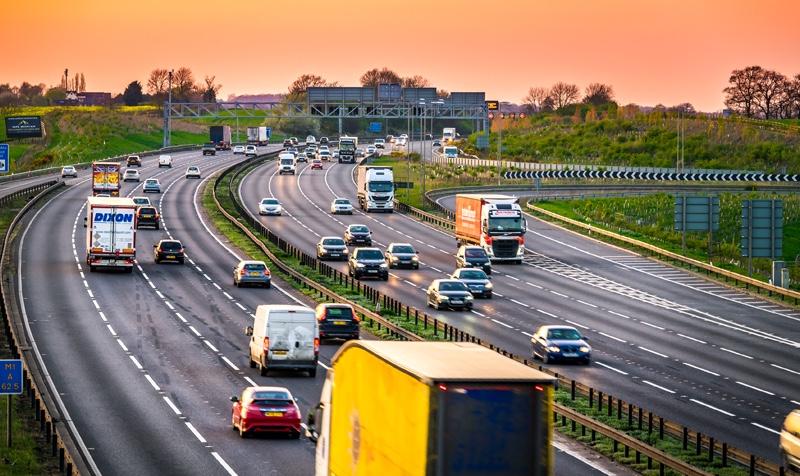
Energy policy is managed in a piecemeal way. The reality is that certain sectors are unlikely to have any significant switch from hydrocarbons in the foreseeable future (aircraft and shipping) and other sectors like Commercial Road Transport (trucks and buses) haven’t started to switch ( the odd demonstration vehicle aside). Again transport operators need to be offered affordable and practical alternatives to be encouraged to switch. There are few at present.
Announcing targets is all very well, but they need to be underpinned by reality. Headline grabbing is one thing, actually having a coherent action plan is something else. The devil is in the detail. And above all there needs to be international cooperation at a considerable level.
Major motor manufacturers across the world continue to predominantly make fossil fuel powered cars and trucks, tractors and construction vehicles, motor cycles and delivery vans. They do that in part because the alternatives are impractical or uneconomic. It’s a customer-driven sector. Changing today’s reality into something different will take time, investment and attitudinal change. Surely that will take much longer than ten years ?