“The number of recorded antisemitic incidents across the country rose by 147 per cent in 2023, which itself was a record high.” The Times.
With a few exceptions distinguished members of Britains Jewish communities have been silent on Netanyahu’s war. It’s almost as if to be Jewish means you have to support whatever the Israeli government does. And that is surely a cause of antisemitism in all too many cases.
We may not like it but it’s a fact. These instances of antisemitism are mostly a direct response to Israel’s attacks on the people of Gaza. The conflation of “Israel” and “Jewish people” is inaccurate and ignorant, but it’s understandable, though shocking, why people do it. It’s not helped by Britain’s Jewish commentators almost to a man or woman failing to condemn Israel’s actions.
That Netanyahu was right to respond strongly to the Hamas attack on 7th October should not be in doubt. But the launch of all out war on the people of the West Bank is another matter. This prompted many people around the world to protest – a perfectly understandable and uncontentious thing to do. Except when to be anti the actions of the Israeli government (reasonable) turns itself into antisemitism (obscenely wrong).
With a few exceptions distinguished members of Britains Jewish communities have been silent on Netanyahu’s war. It’s almost as if to be Jewish means you have to support whatever the Israeli government does. And that is surely a cause of antisemitism in all too many cases.
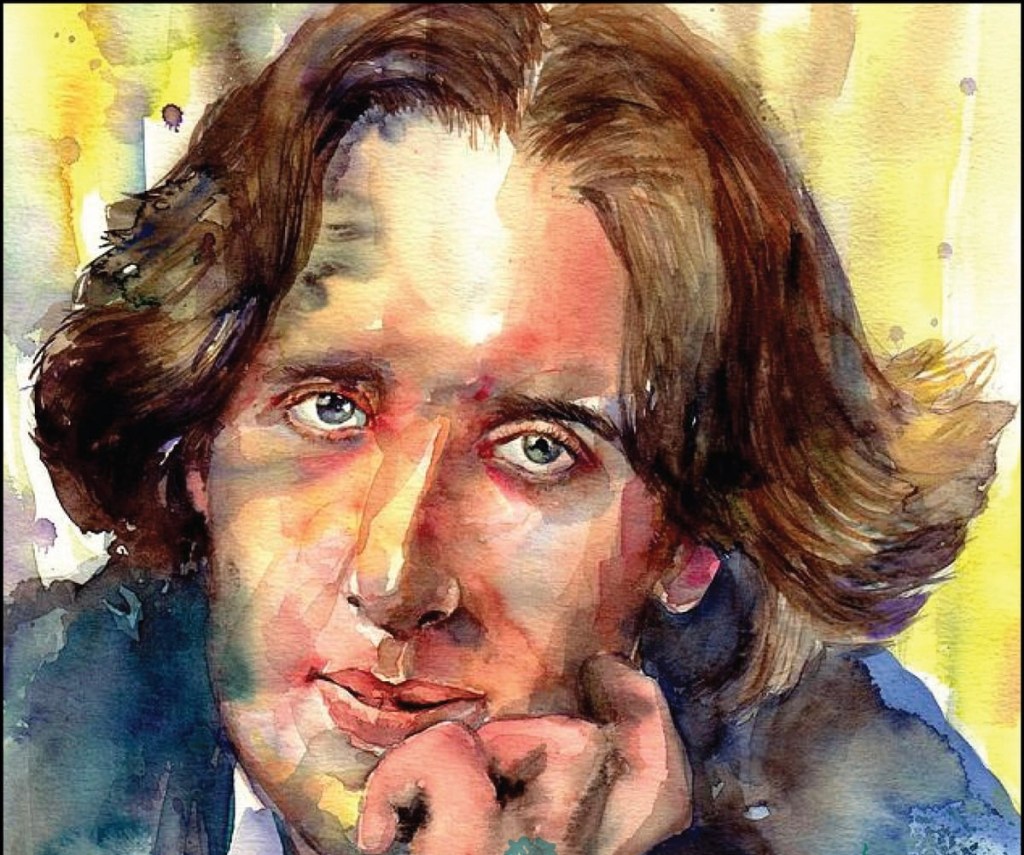
I came across a delightfully elitist quote from the great Oscar Wilde today:“By giving us the opinions of the uneducated, it keeps us in touch with the ignorance of the community,” he wrote.
Oscar was talking about journalism and you can see what he meant. Reportage has a role in journalism – telling us what is happening and what the great unwashed is thinking. And if you back that with “consumer research” you can give the research a statistical credibility. “Seventy percent of the population supports the Monarchy” – that sort of thing.
Wilde references education and ignorance suggesting that the opinions of those with a deficiency of the former and plenty of the latter we (regrettably) have to take note of. Or at least least “keep in touch” with.
Politicians do it all the time ‘The people support what we are doing” a populist politician will say to justify some illiberal policy. This reduces every issue to a pseudo referendum. Manifestos become less a statement of what is right and more a response to collective opinion whether right or not.
As Bismarck put it politics is the “art of the possible” – a matter of pragmatism, instead of idealism. The EU Referendum was a classic example of this. Those who understood the subject were overwhelmingly pro Europe. The higher the level of education a voter had the more likely they were to vote “Remain”. The converse of this, Wilde’s uneducated and ignorant, was also true.
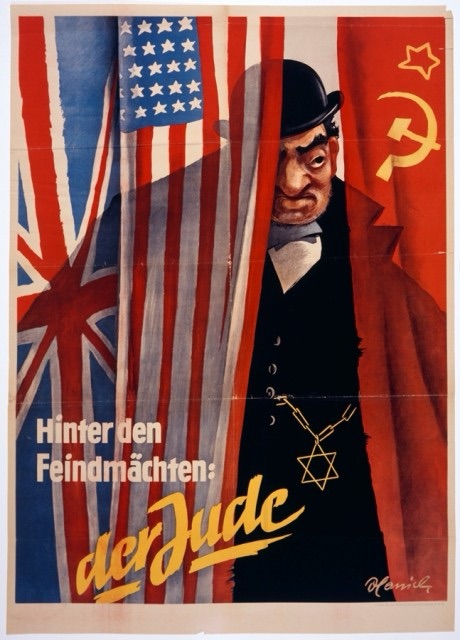
Reducing political complexity by presenting the voter with a simple binary choice is a technique as old as the hills. At its most venal it descends into prejudice and blame throwing. This Nazi poster denigrates the WW2 allies implying that it was Jews who were behind them:
And yet the obscenity of Nazi ideology did not teach us to be more careful. This poster from Farage and the “Leave” campaign was only half a step removed from Goebbels:
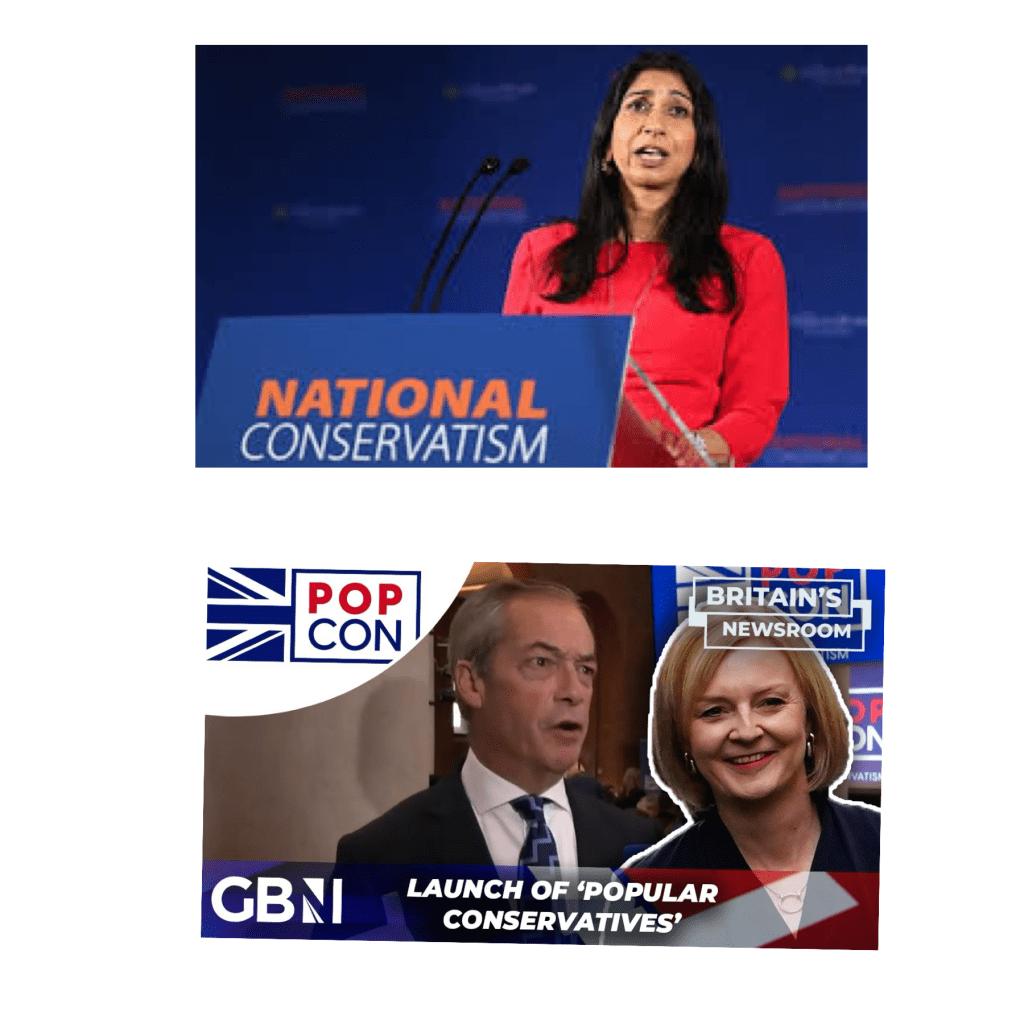
One of the variants of Conservatism being peddled at the moments is “National Conservatism”, another is ‘Popular Conservatism”. They are both unashamedly populist movements in the tradition of hard Right parties of the past like the National Front and UKIP.
In the upcoming Elections in the United States and here we can expect Trump (if it’s him) and Sunak punting a “reductio ab absurdum” message full of faux-patriotism and blame calling. We’ve been there before. A political campaign based on nationalism and populist xenophobia is no doubt being carefully planned in Tufton Street and CCHQ.
NATO was established when half of post war Europe was under Soviet domination, including much of Eastern Germany. To protect the west from Soviet threat Europeans needed America. And it was in America’s interest peacefully to protect us. But times have changed.
Former Soviet dominated countries are now free. And Europe is economically united, a symbol of its cultural and historic common heritage. And European integration, the practical manifestation of a common bond and outlook, means that approaching a half of a billion people are meaningfully European citizens.
Cultural and Economic units such as the EU/EFTA also need to defend themselves. The case for a European Defence Force is overwhelming. It would be politically logical and accountable (to member States via the EU Parliament). There would be no reason why a Europe taking responsibility democratically for its own defence couldn’t negotiate mutually beneficial military alliances with other countries with which it has a common interest , especially former NATO partners like the United States and Canada and Britain.
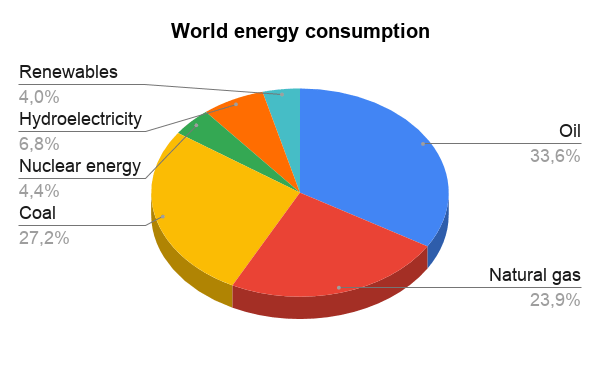
Only a part of our hydrocarbon consumption is substitutable by renewables. Power generation certainly but there are limits. The capital cost of wind turbines is high and probably requires subsidy at a time when national exchequers in the West are struggling to balance their books. Also the effective lifetime of a turbine is unknown as is the maintenance cost over time. Solar has its place but you cannot replace a 3Gw power plant with solar panels.
Some parts of energy consumption are oil or gas specific and cannot change within known technologies. Indeed international trade is dependent on container ships which run on oil. So do ferries and cruise ships and the rest. The big new giant cruise ship runs on LNG , hydrocarbon Gas in other words. Air travel is oil specific and is growing. There is no alternative to oil other than making jet engines more efficient which has been happening successfully for a long time.
Commercial Road Transport (lorries and trucks etc.) is also (realistically) oil specific. Personal transport (private cars) can switch to battery power but that would bring other raw material challenges. And the range problem has not yet been solved.
In short those nations with substantial oil and gas reserves will be in the economic and political pound seats for a very long time.
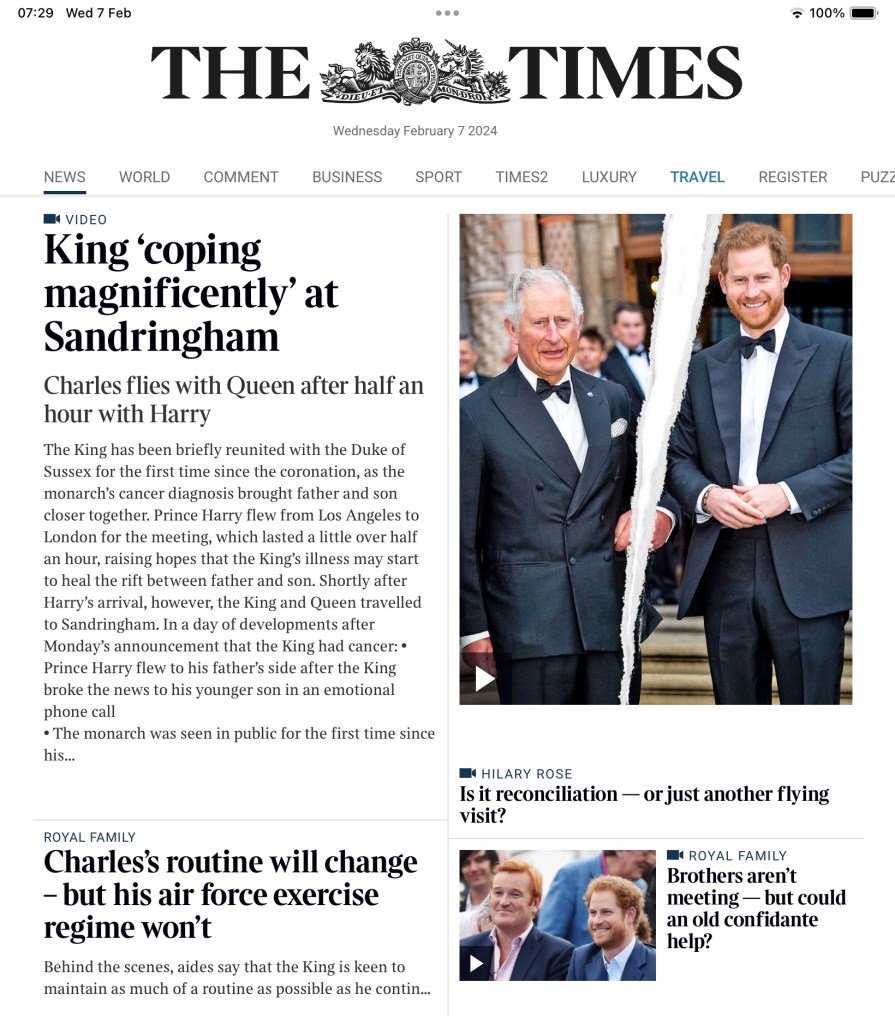
This is the front page of The Times today (that’s in what was once referred to as a “newspaper of record”). Is the Monarch’s illness really such an important story that it warrants such blanket coverage?
Research suggests that the generation born in the new millennium are not as enamoured of the Royals as their parents and grandparents. And whilst other nations have monarchs as head of state (some even borrow ours) nowhere is there such sycophantic adulation as here.
The nations of the United Kingdom have interesting histories and our collective Imperial ambitions and “success” certainly made us a global power. Similarly the Industrial Revolution of the Victorian nineteenth century (warts and all) created a preeminent manufacturing and trading nation. In the 20th Century our military might and national courage helped us win two World Wars (with a little help from our friends). But now?
Some of the historic pomp remains though not much of the circumstance of the past. We are like a national Miss Haversham reluctant to discard our once finery despite the fact that we have been jilted. And that’s what the royals are – glitz and pseudo glamour without any substance. How preposterous is this image in the twenty first century?
The explanation for the ongoing obsession with this frankly dysfunctional family is that there isn’t much else. The Empire is long gone as is our industrial and military might.
In 1962 Dean Acheson memorably said that “ Britain had lost an empire and had not found a role. He added:
“Britain’s attempt to play a separate power role – that is, a role apart from Europe, a role based on a ‘special relationship’ with the United States, a role based on being the head of a Commonwealth which has no political structure or unity or strength and enjoys a fragile and precarious economic relationship – this role is about played out.”
And that was sixty years ago and in truth we have gone further backwards since with Brexit setting us apart from Europe and creating an insane anachronistic faux independence that makes us look ridiculous.
Ridicule is the only sane reaction to Little England and our silly delusional games. Hugh Grant’s Prime Minister in “Love Actually” said
“We may be a small country, but we’re a great one too. The country of Shakespeare, Churchill, TheBeatles, Sean Connery, Harry Potter, David Beckham’s right foot, David Beckham’s left foot, come to that.”
That summed it up – though he didn’t mention The Queen or James Bond. Or Dunkirk, a crushing defeat that we incomprehensibly turned into a noble victory!
After we decided to be European we actually played the role rather well for a time. We celebrated joining the Union and Brits played a significant role in the governance of the uniting Europe . Then we blew it all.
This brings us back to what we are now. “Played out” as Acheson put it and absolutely without a “role”. So we substitute genuine significance with the illusory pretensions of Royalty. It goes down well in America the inventors of the soap opera. In truth we are more Schitts Creek than anything substantial. Living rather like Moira Rose on departed glories but still dressing extravagantly in denial about the loss of of meaningful fame.
Moira Rose in Schitts Creek
I wish Charles Windsor well – my despair about the monarchy and its grossly inflated significance in the national psyche is not personal. But that royal obsession is a veneer below which we are, it has to be said, “played out”.
Netanyahu and his close supporters have made it clear that they intend to expand Israel permanently into Gaza and that is an objective of the response to Hamas. Israel has expanded during war – it’s doing it again, The irony that this ambition is analogous to Hitler’s seeking of Lebensraum is profound.
The frequent statement made on antisemitism is “I’m not an antisemite, but I oppose Zionism”. That statement is, in my view, not just a non sequitur but an antisemitic one.
The pure definition of Zionism is to support a Jewish homeland in the Middle East – and , for many, one where Israel was before the Yom Kippur war. Prior, then, to the substantial expansion of the State – for example the settlements in the Golan Heights.
Those of us who believe that Israel should withdraw from most of the land taken in or around 1973 are not opponents of Zionism and certainly not being antisemitic. Those of us who believe in a two State solution likewise. It is perfectly logical and principled to believe both in Zionism and Palestinian rights.
To move from opposing Israel’s land grabs over the years (and now) to being “Anti Jew” is intellectually bereft of logic. But, sadly, many do this. Many years ago when I visited Tehran frequently on business antisemitic and holocaust denial leaflets were placed in my hotel bedroom. And, yes, some of this’s protesting against Israel’s action today in Gaza are unquestionably antisemites.
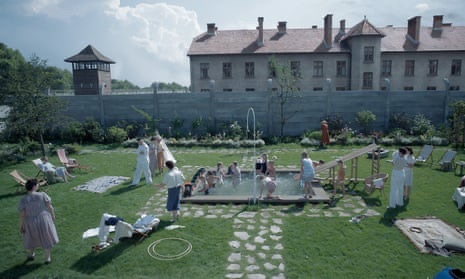
The banality of evil is best understood by its ubiquity. It wasn’t a few villains committing monstrous crimes. It was a whole industry dedicated to the goal of genocide on an enormous scale. The microcosm of the family in “Zone of Interest” can be multiplied thousands of times. And where were those who blew the whistle or tried to stop the horror?
In effect The Holocaust was normalised and not just where it happened or just by those directly involved. You can’t construct gas chambers, operate them, bring victims to them and repeat daily without building a complex and managed infrastructure. The shock of “Schindler’s List” is that Schindler whilst not, quite, unique was one of the very few who resisted.
Frau Hoss of course knew what her husband was doing. And across Europe there were many thousands of Frau Hosses equally turning a blind eye. Murder on an industrial scale requires more than structure and organisation. It requires complicit shoulder shrugging by everyone from the industrialists of I.G.Farben to the drivers of the Auschwitz bound trains.
And when we say “Never again” we should make sure that we don’t delude ourselves that death and destruction and murder of the innocents has stopped. Reports reach us every day confirming that it hasn’t. And, like Frau Hoss, some of us look the other way and tend our gardens.
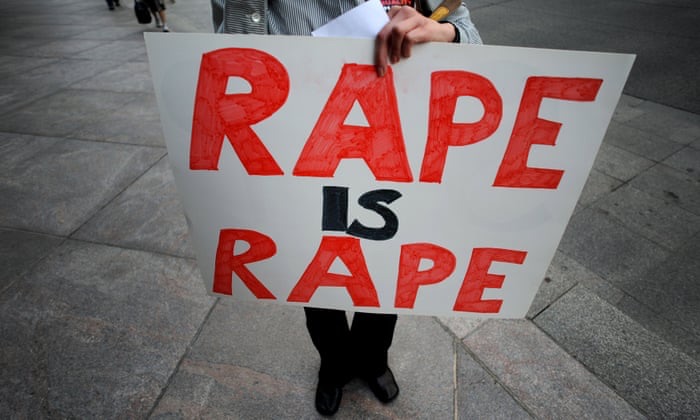
Rape is rape – the problem is agreeing what it is and how to prove it. During 2021-2022, of the 70,330 rapes reported to the police in the UK only 1,378 led to a conviction. This is a conviction rate of less than 2%. Every case was, by definition, unique but there is clearly a pattern. The securing of a conviction is extraordinarily difficult.
Consent is a problematic concept and follows no consistent pattern. Post event a number of forces may come into play for the woman. Guilt, disgust, anger, revenge, fear…and more. It’s an emotional time and when emotions are aroused rational thinking may be difficult.
Above all consent may be very subjective and will often be one person’s view/opinion against another’s. Sexual arousal lifts us, mostly pleasurably, momentarily into a different world. The pursuit of satisfaction can be an overwhelming driver and when the male’s need and action exceeds that of the female’s consent can be a very grey area indeed.
All of the above is in no way intended to exculpate rapists. It’s a hideous crime , but sometimes a very hard one to prove.
The trouble with political “splinter groups” , of which the Conservatives seem today to have several, is that they always put ideology before practicality. That’s what defeated Liz Truss as Prime Minister – her apparent ignorance of the solid rule that politics is the “Art of the Possible”.
Yes Truss’s ideology was utterly flawed but that was less damaging than that she rushed into office like a bull in a china shop. Little more than a year after this disaster she’s at it again. This time with the launch of the oxymoronic “Popular Conservatism”. Oh dear
In a way you have to admire Ms Truss who is bouncing again like Tigger but without the brainpower. If at first you don’t succeed…
JFK had his hundred days which seemed rather a short time to judge him, but we did. Mostly positively as I recall. Truss had half that time and actually tried to shake the system far more than Kennedy did. Margaret Thatcher, at heart just at least as ideological as Truss, had a few wise folk around her and by comparison with La Truss took her time. Wisely.
The splinter groups like Lizzie’s new one are all freakishly ideological and talk only in slogans. What the heck does “Restore democratic accountability mean?” My “favourite” was also Ms Truss’s the “anti growth coalition” about which the Financial Times wrote “the absurdity of the term is matched by its hypocrisy.”
Cliché it may be but creating political change is like manoeuvring an oil tanker. Politicians need to know it takes time to turn things around. And you do, to some extent, have to stay in the shipping lane. Britain’s most dramatic change in generations, Brexit, actually sank the tanker. That Brexit was a “big idea” there’s no doubt. But the “Take back control” slogan was superficial nonsense. Control of what, and why? We weren’t told.
Keir Starmer has taken years to restore Labour’s credibility after the disaster of Corbyn. The latter showed that it’s not just the Tories who can pursue ideologically extreme policies. Sir Keir is distancing himself from any commitments that might suggest he’s strayed from the Centre ground. It’s a bit bland and dull (“Where’s the beef?) but it should work, let’s hope so.
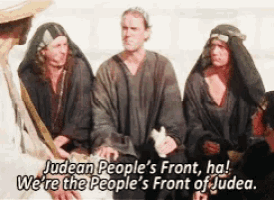
Meanwhile the Conservatives seem stuck in a vortex with Popular Conservatives vying with National Conservatives (etc.) in a way that is reminiscent of “Life of Brian”.
I have often claimed that the best Government I have lived under was in Hong Kong in the 1980s. I admit that I am being a tad provocative (!) but there is more than a little substance to my claim. The provocation comes from the fact that Hong Kong did not hold elections and that its Governor and officials were all appointed. Not an elective democracy then. The defence is that it worked – the government did a good job.
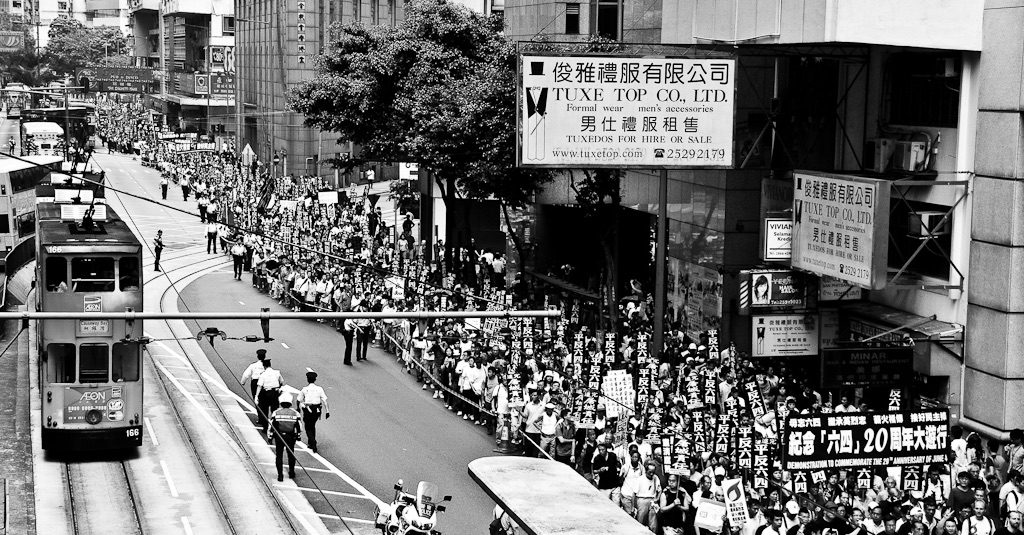
Hong Kong was a benevolent dictatorship – at least it was when I lived there. There were important freedoms – of Speech, the Press, of Association etc. etc. After Tiananmen Square in 1989 my staff asked me if they could join the mass protests underway. I of course agreed.
Protests in Hong Kong against the Chinese government 1989
So nobody had a significant vote in Hong Kong in my time there , but it was a liberal and civilised place. And rich – the lightly regulated financial sector encouraged investment and businesses of all sorts flourished.
The colonial government of Hong Kong built or started huge capital projects in the territory. Two cross harbour tunnels, a magnificent new airport. A state of the art Metro system, and much more.
Defenders of the magic of the ballot box argue that voting out leaders you don’t like is a cornerstone of democracy. The ballot box is the guarantor of democratic freedoms. Well up to a point Lord Copper. But what if the electors get it wrong? Hitler and the Nazi Party won 37% of the vote in 1932. He promised a dictatorship which he delivered. Donald Trump promises to be a dictator on “Day One” if elected. We saw what Trump supporters can do in 24 hours on January 6th 2021. Day One is all he needs.
Trump supporters storm the Capitol in January 2022
Brexit supporters argue that the Referendum result in 2016 was conclusive, but of course it wasn’t. The New York Times put it well:
“Though such votes are portrayed as popular governance in its purest form, studies have found that they often subvert democracy rather than serve it. They tend to be volatile, turning not just on the merits of the decision but also on unrelated political swings or even…on the weather. Voters must make their decisions with relatively little information, forcing them to rely on political messaging — which puts power in the hands of political elites rather than those of voters.”
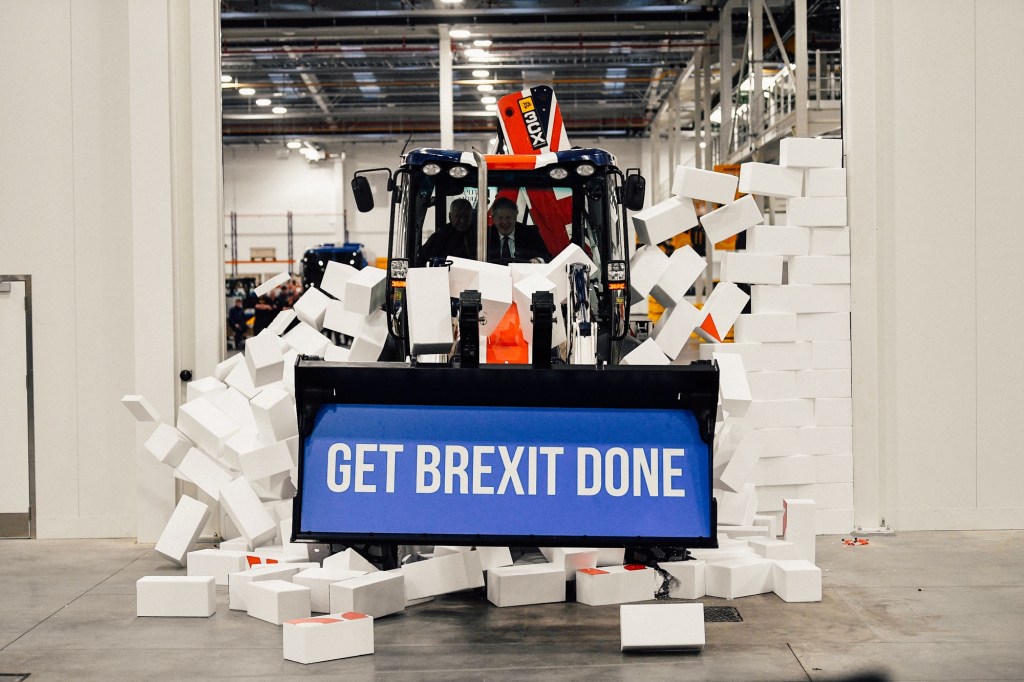
In 2019 Boris Johnson was elected Prime Minister on a single issue and the reservations the NYT had can equally be applied to that election.
Boris Johnson bulldozes to Election victory
In 1932 Hitler told the German people who the enemy was. For the Leave campaign in 2016 and Johnson in 2019 it was, of course, the EU. IN 1932 the Nazis were no less unequivocal:
So voting is no guarantee of democracy and the absence of elections is no guarantee of totalitarian dictatorship. Which begs the question as to what democracy actually is and how can it be achieved.
The extent of the corruption in Government in Britain over the past five years or more is unprecedented. The true story of government contracts during the pandemic is yet fully to emerge but if you wanted proof of the adage that power corrupts and absolute power corrupts absolutely it’s not far away.
So the ballot box doesn’t always deliver outcomes that with hindsight can be seen to have been desirable. But, of course, proper democracies have to have elections and choose the parties and leaders to run things. In 1933 Hindenburg sought to restrict the Nazis by forcing a coalition with moderate parties of the Right under Hitler’s chancellorship. This failed and we know what happened next. A similar process is underway in The Netherlands at the moment. An attempt to tie the hands of the neo-Fascist Geert Wilders, who won the last election, by forcing coalition with the rather more moderate centre Right. The Dutch do have a history of pragmatic compromise. There’s no guarantee that this will apply this time around however.
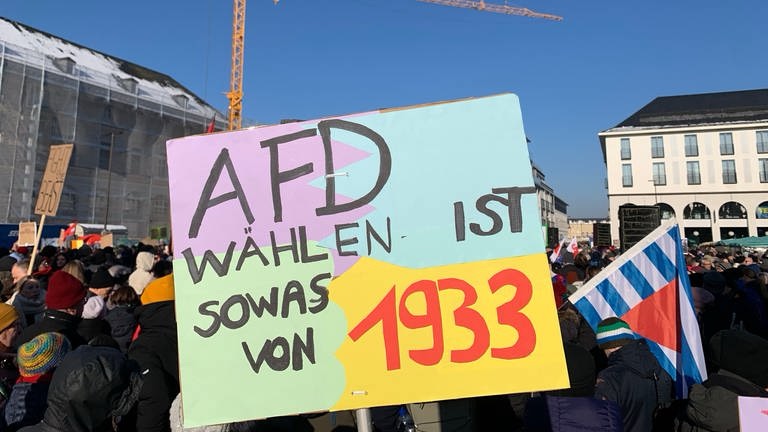
In Germany the AfD a Far Right party is strengthening, especially in the former East Germany. Again the likely outcome is that the centre will hold, possibly with the formation of a “Grand Coalition” and the protests which remind Germans of 1933 have been encouragingly strong. But these are uncertain times.
In Britain we should study carefully what is happening in The Netherlands and Germany (and France where Marine Le Pen has surged in the polls). Nigel Farage and UKIP had a profound influence on British politics without ever having an impact in a General Election. We should be cautious of being complacent now despite Labour’s strong lead in the polls. UKIP’s successor party Reform UK and it’s Geert Wilders like leader Richard Tice are currently at 10% in the polls – ahead of the LiberalDemocrats!
Ultimately it’s about policy and competence rather than ideology , the battle for the Centreground. But as we saw in 2016 and 2019 votes can be won by politicians who reduce complex issues to simple (and simplistic) binary choices). Trump won the New Hampshire Republican Primary by doing just that. Be scared, Democracy may not be all it’s cracked up to be !











 Paddy’s Blogs in a crazy world