Extinction Rebellion and Just Stop Oil plan daily protests after blockade ( from The Times)
These protests reported in The Times today are absolutely contemptible. They are inspired by a profound ignorance of how Britains energy sector works and, in particular of the timescales involved for change. It is hard to see them as anything other than virtue signalling by fools.
The world is dependent on hydrocarbons for much of the fuel and power we need – and that fuel and power is the driver of our economies and our lifestyle. In Britain the mix is changing, particularly in power generation where wind power is making an impact and a growing one. But other important parts of our hydrocarbon use mix will take much longer to change and some cannot change at all within known technologies.
Road transport will stay dominated by petrol and diesel for the foreseeable future. The switch to electric power for private vehicles is underway but the cost and practicality is a block on progress. And there are very few commercial vehicles using anything but diesel fuel.
Our homes, our offices, our hospitals and the rest are overwhelmingly heated by gas and again whilst there will be a small number of new builds with alternatives like heat pumps removing and replacing gas boilers across our total housing stock is a very long term project, if it is a project at all.
Key transport sectors like aviation and marine are oil specific and will remain substantially so for decades ahead.
The protests oversimplify a complex subject and are exercises in little more than reductio ad absurdum. They are also arrogant the participants implying that only they have the wisdom to see the need for change. Our energy use is declining per unit of useful power as across all sectors more efficient machines takeover. Home insulation and far more efficient vehicle engines and gas boilers have had a major impact. That progress needs to be encouraged. The protests do the reverse of this.
I spent forty years in a multinational corporation in which creativity and originality were generally treated with suspicion. It was a very rational environment in which engineers and accountants reached the top. Clever people all who relied on what they knew and what they had experienced rather than what they could dream.
My colleagues occasionally ventured into the unknown but it wasn’t long before they retreated back to the familiar. To diversify was occasionally part of the goals, nominally anyway. But “sticking to the knitting”, in Tom Peters phrase, was for most much more comfortable. In all my years I cannot think of one major new venture on truly unfamiliar terrain that succeeded, and many were tried.
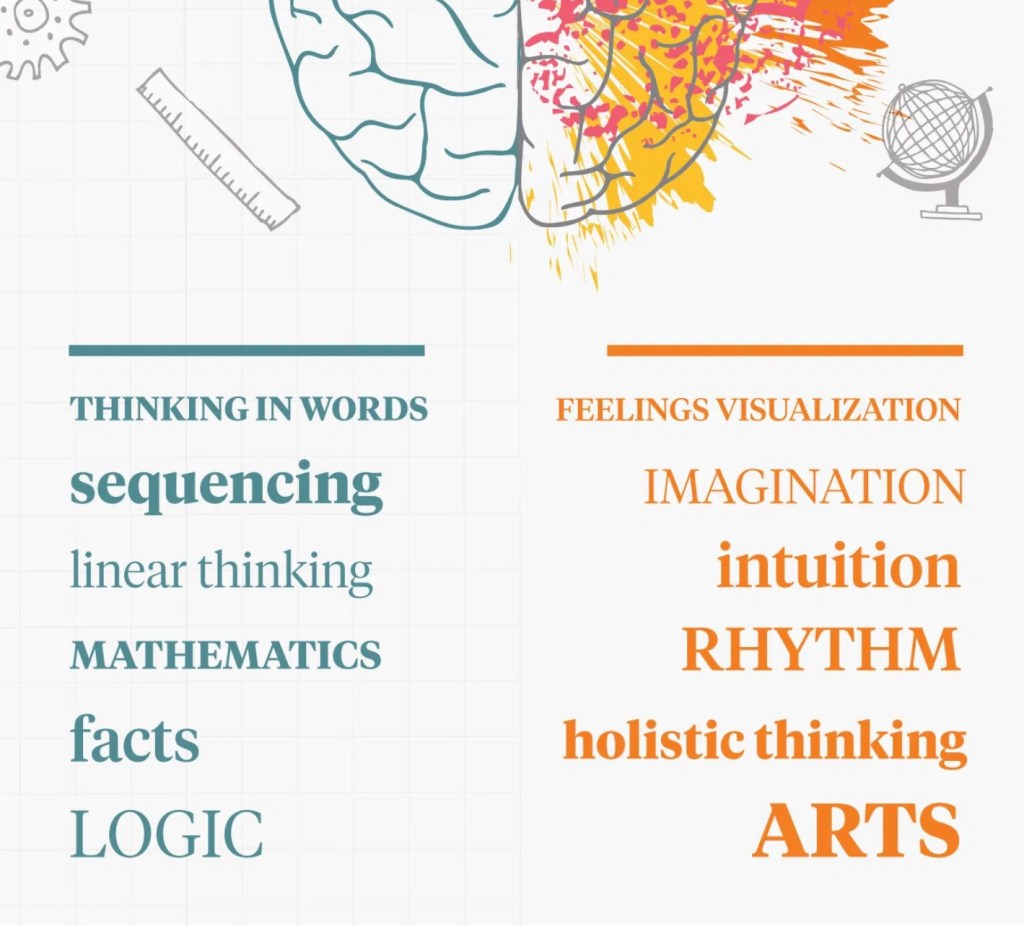
Left versus Right brain thinking
Those of us who were Right Brain biased were looked at with condescension although there was some acceptance that we were necessary. When we spotted that much project planning was data based and that some of these data were actually assumptions rather than hard facts we were sometimes treated with scorn. You don’t challenge a geologist from Delft or a man with a Cambridge First in Mathematics or Physics.
When we marvel at the paintings at the Uffizi or listen in awe as a fine conductor creates magic at a concert we are in a terrain in which rational man struggles. True originality is rare because the ability to be creative is, in some cultures, less valued. In one Noel Coward play a woman admits to not being very musical. “Good for you” says her philistine companion.
Sixty Years ago in Cambridge C.P. Snow railed against the lack of understanding between the “Two Cultures” of Science and the Humanities. But on reflection it is only by using both sides of the brain that real progress can be made. Like Oscar Hammerstein’s “Farmer and the Cowman can be friends” so can the Geologist and the expert on Jane Austen. But we still need to find a way.
I’ve always liked gadgets. The iPad I’m typing this on is quite astonishing in what it’s capable of. If you’ve got one you’ll know what I mean. So to have a car I plug in to “refuel” appeals to me – “What fun” , you might say. But it isn’t.
My first car more than 50 years ago was a Fiat 500. It was, shall we say, rather “low tech”. It had a starting handle I recall. And the sun roof was canvas you rolled back. On the road it would outperform a man on a bike, but only just. But on a full tank of petrol you could do 300 miles. And if you were running low you just went for five minutes to the petrol station around the corner. There always was one.
Range , speed of refuelling and easy availability of refuelling points is the killer of the electric car. Why would I buy one if on all three counts it underperforms my car of half a century ago? To signal my green virtue maybe? Or to impress the neighbours? Or because I like gadgets? People do I’m sure. But sorry tree huggers I’ll bow to commonsense on this one.
Symptoms dear boy, symptoms as Harold Macmillan might have said. Symptoms of decay are all around. How’s the service from your GP these days ? Have you tried to get a new driving licence from the DVLA ? Are your trains reliable? Can you afford the doubling (or more) in energy prices and heat your home? Can you find an NHS dentist? Can you get the money for COVID tests? Do you have a clue about protecting yourself from the Virus as new variants appear daily and case numbers escalate? Above all who’s in charge and if you find out do you have confidence in that person’s ability to deliver? Not just in politics but everywhere. P&O Ferries anyone?
Those of us who look back over more decades than we care to remember – in my case to when we last had a King – can’t really believe it. It wasn’t all rosy in the past, far from it, and whilst things got better there were also gentle declines all around. Car plants, railway stations, the High Street, the pub network, workplace pensions all declined. But driven by technology and (especially medical science) things really did overall get better. We started to live much longer and much more comfortably. As a child only one room in my home was heated…
Immigration and foreign travel gave us a wider cultural perspective and enriched our lives. The voices of those who opposed diversity were not silenced, but they were in a squalid backwater of their own whilst we embraced Europe and people who were superficially different from us. What was a community changed – more open and less uniform.
Perfect it wasn’t but we did seem to have got over our Empire and found a role in Europe as we’d been urged to do. London became the capital of Europe over a few happy weeks in 2012 when we welcomed the world to the Olympic Games. Then it all started to go badly wrong.
In the past there were class divisions – the rich man in his castle and the poor man at his gate and all that. But when John Prescott said twenty years ago “We are all middle class now” he did seem to have a point. The class warriors haven’t entirely gone away, but in the meantime we’ve become tribal.
Accepting that it’s a bit of a simplification (high level sociological classifications usually are) but Britains tribes today are not Red and Blue, not Rich and Poor not even Male and Female. They are “Woke” and “Non Woke”. The former include people like me who wear our wokeness with pride. Who wouldn’t want to be seen as “alert to injustice in society, especially racism.” as the OED puts it? Well the other tribe that’s who.
The tribes I identify are close to the American descriptors of “liberal” and “conservative” but the use of “Woke” as a term of abuse is a bit different. The underlying premise is that it is wrong to be “alert to injustice”. This is extremely dangerous. Since I became politically aware back in the early 1960s most of the campaigns I have supported have been against injustice and discrimination, and the narrow protection of privilege. And great progress was made. The “Non Woke” tribe wants to unravel that progress.
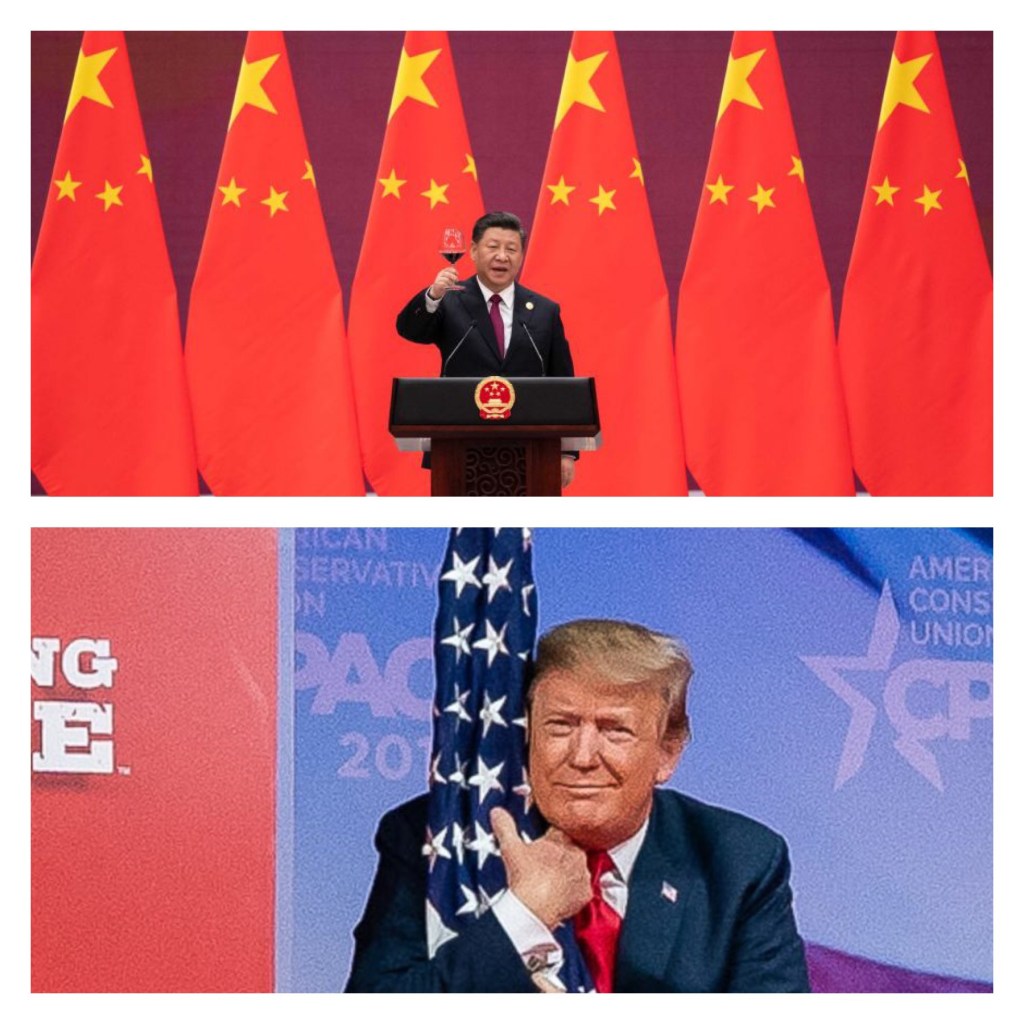
To be woke is not to be nationalist – it is to be aware and to recognise McLuhan’s global village is a reality and that the digital world has no borders. We have the potential to be united as never before – nationalism collapses in the face of the communications revolution. But the Non Woke tribe are fearful of this. That’s why flags appear behind the non woke politicians all the time.
Brexit was the definitive expression of Nationalism and the greatest triumph of the Non Woke tribe. The correlation between those who supported leaving the EU and those who criticise the Woke is absolutely precise. History teaches us that the more leaders demonstrate their patriotism with a superfluity of flags and symbols the more they move towards a nationalist dictatorship. Google “Nuremberg Rally” or “Red Square Parade”.
The other crucial thing about a Britain divided into tribes in the way I have described is that there is no movement between the two. Do you actually know any significant Brexiteer who despite all the evidence wants now to return to the EU? And the pro EU politicians like Keir Starmer who now rule out rejoining the Union do so not out of conviction but out of expediency and pragmatism.
The calls for an electoral pact to oppose the Conservatives (I support it) is a call to unite the Woke. The Tories destroyed Farage and the hard Right in politics by almost entirely adopting his politics. They became as anti Woke as he was. The Woke tribe is politically divided and will be destroyed again by a united Conservative party unless we get our act together.
“… few moral or political complications surround the events of April to June 1982. The cause was just.” The Times 2nd April 2022
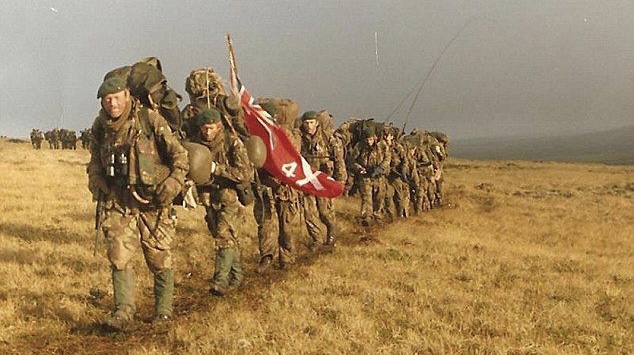
The Falklands War was entirely avoidable and the run up to it was riddled with moral and political complications – that’s why Lord Carrington resigned, because he and his diplomats had failed. To start with the islands were not defended. There were no troops there and the Governor drove around in a taxi like he was in a Gilbert and Sullivan parody. Those very few Britons who had heard of the benighted place conspired in the effective abandonment of its people.
The Falklands were an accidental bit of post Imperial detritus serving no useful purpose. Rockall had more strategic significance. The islands had no resources to speak of, are in a part of the South Atlantic that nobody visits for good reason. However Galtieri saw that he could make a bit of mischief by claiming them. British diplomats ignored the threat and the only British vessel in the area was withdrawn. It was like a homeowner leaving his front door open and putting up a sign saying “Help Yourself”.
If the Foreign Office has read the runes better and if the Government had cared the early deployment of a defence force could have avoided the unpleasantness. Hundreds of families were bereaved not because of the honourable pursuit of a just cause but because of culpable political and diplomatic failure.
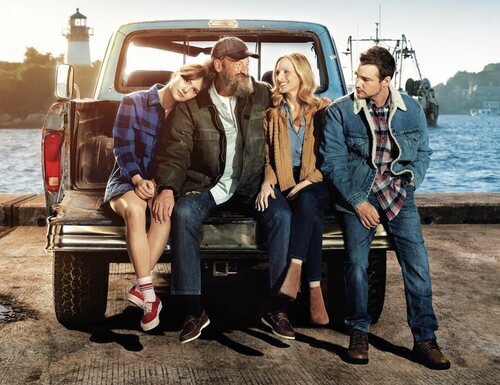
I watched “CODA” last night well before the Awards ceremony and thought that it was wonderful. It is not a star vehicle and all the better for that. But some stars were made, not least Emilia Jones who was stunning. In our cynical age the movie was just what we needed. No special effects, no posturing prima donnas no “Me, Me, Me” – an absolute lack of phoniness.
I believed “CODA” because it was utterly uncontrived. It was as if I had wandered into that New England fishing village and was watching real life in a real community. But this is not just sentiment – the underlying issues in the story were real and tough. How we deal with disability individually and collectively the main one. And how we deal with differences – of ability, of gender, of needs. This was a small canvas but a very rich one full of colour.
Over the years the French have done emotion well with cinema vérité and despite the setting this is a very French film. The central character Ruby had echoes of Amelie and even Betty Blue and many other ingénues in French cinema. I didn’t feel that the movie was much about modern America – the brief reference to Donald Trump was little more than a signal of time. This is actually a timeless story and whilst mobile phones and text messages occasionally intrude we could have been in the 1950s.
Obviously our opinions of art are subjective but the Oscar process reduces that subjectivity by aggregating the choices of Academy members. For me “CODA” is an instant classic. I’m delighted that it won best film because that will bring more people to it.
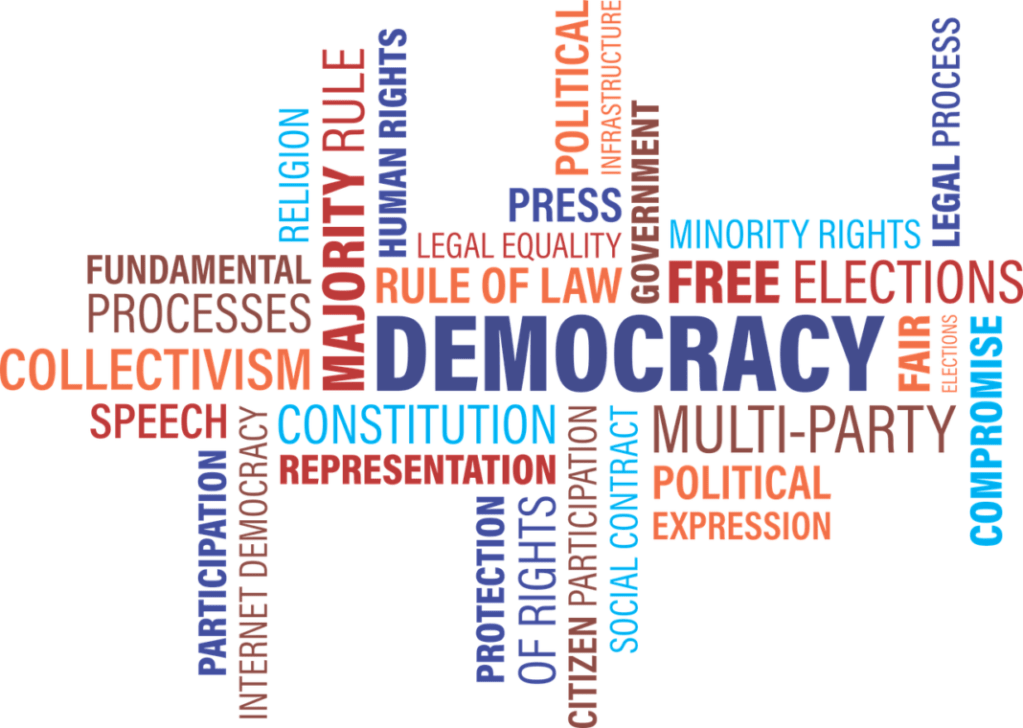
There is a conflation in Matthew Syed’s piece in the Sunday Times today between “democracy” and “freedom of speech”. They are, however, not the same thing. Freedom of Speech is a necessary condition for a society or state to be democratic, but only part of it.
Back in the 1980s I lived in colonial Hong Kong. It was a benevolent dictatorship in which freedom of speech was present to a high degree but it was no democracy !
Choosing who leads us is another condition for a democracy – proper elections. Does Britain pass this test ? Much less well than other European countries because of our electoral system. For many of us our votes simply don’t count because of First Past the Post.
Then there is our choice of who is our head of State. Again Britain fails the test of freedom of choice. A constitutional monarchy is a democratic cop out. Surely a Head of State should be free to comment on important issues of the day and not be chosen by privilege of birth.
Public Services are vital to a nation’s wellbeing. But should the provision of them be primarily driven by private companies’ profit motives? The P&O Ferries debacle gives us the answer. It’s not alone – if you doubt that check your next gas or electricity bill. The postcode lotteries on healthcare and education favour the better off over the less well off. Is that democratic ?
What is the ideal mix of societal norms is subjective and freedom is certainly in that mix. And yet the astonishing Freedom to live, work and love across 27 European countries was taken away from us with no effective opposition. There were protests, but they got nowhere.
The defence of democracy rhetoric is common to those who have scant regard for it. The Home Secretary said “The freedom to protest is a cornerstone of our democracy. But it doesn’t give anyone the right to criminally vandalise private property or stop the hardworking majority going about their daily life.” The missing element in Ms Patel’s statement is in a democracy who decides? She clearly believes that she does.
I want to be able to stand on my digital soapboxes and say what I like. My views are sometimes censored or removed by the guardians of the medium, especially Times Newspapers! And even Twitter has banned comments from, for example, the outspoken but eminently decent Carol Hedges! Who decides ?
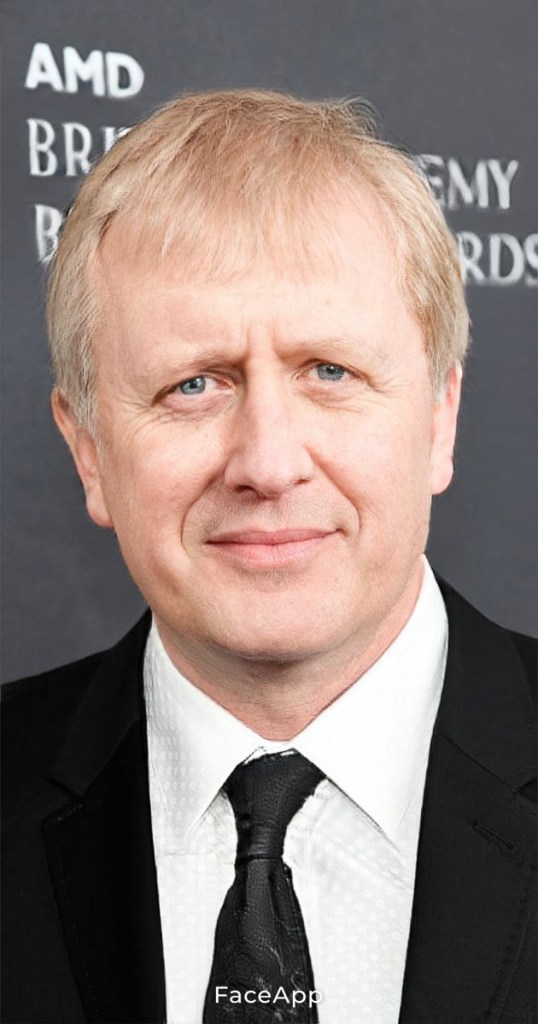
Ricky Gervais as Boris Johnson in “It couldn’t happen here surely ?”
The premise is far-fetched but Prime Minister “Call me Dave” Cameron finds himself under pressure from the Tory Right, combined with a maverick xenophobe called Farage, to call a Referendum on Britain’s membership of the European Union.
Cameron, brilliantly played by an urbane Roger Allam, takes soundings in the pro Europe establishment and is assured that he will win. Meanwhile Farage (impersonated by Hugh Jackman) gets financial backing from sources as diverse as Arron Banks (James Corden) and Vladimir Putin (Kevin Spacey) and actually wins an EU election.
Cameron panics, loses the Referendum and after a few false starts opens the door for Boris Johnson, played by Ricky Gervais with echoes of David Brent, who improbably become Prime Minister. Part farce, part comedy and part pseudo documentary this is a frightening warning of what could happen if British politics went all out dystopian.
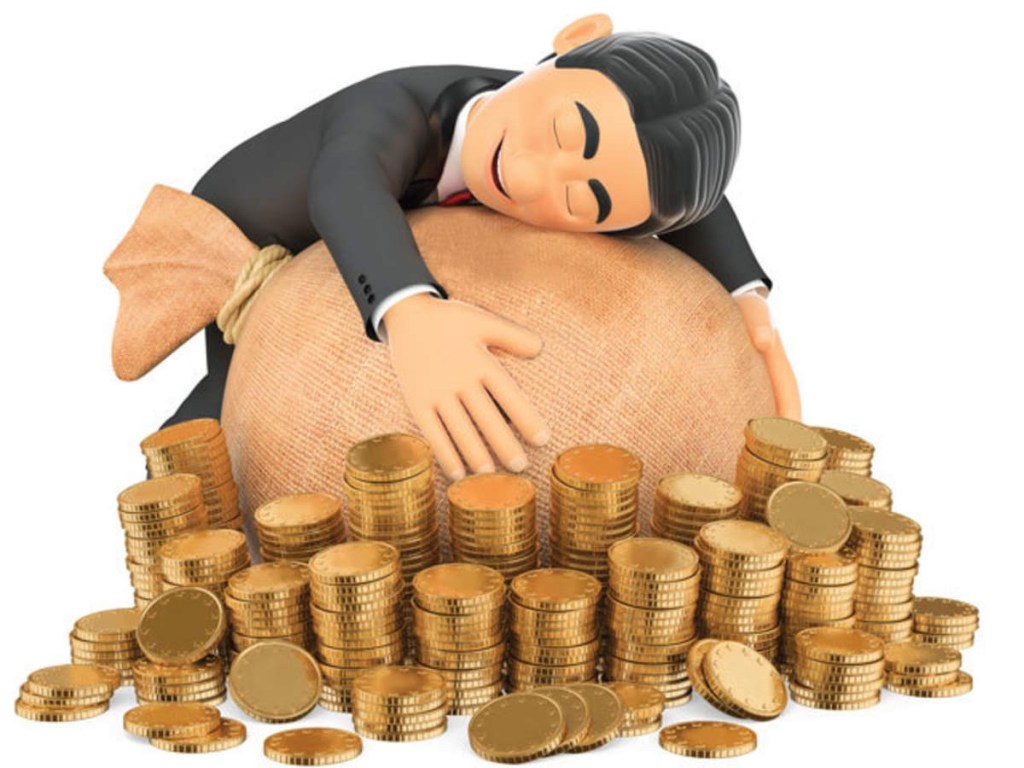
There has been a plethora of politicians on the Left calling for a “Wealth Tax” recently although none of them has explained what it means. In truth they have no idea because the matter is complex. Don’t you think that in a hundred years of modern Britain if a wealth tax was a good idea, or even possible, some Government would have tried it?
The Leader of the Opposition knows this. Starmer was asked about the clamour for taxing wealth and said this: “People who earn their money from property, dividends, stocks, shares – capital gains tax, these should all be looked at as a broader, fairer way of raising taxes.” . Of course this wasn’t a call for taxing assets at all but for taxing what they produce (basically income). We already do this of course. Your income in Britain is taxed whatever produces it, whether you work for it or not.
So let’s try and define what wealth actually is – you’ll certainly need to do this very precisely if you want to tax it ! And I’ll share with you my own portfolio in my dotage ! For some years now I’ve really only had two assets – my house and my pension. The value of the former depends on the property market – on a day to day basis the changes in value don’t bother me though at some point we might want to sell and then it would. We are not there yet.
My pension, like most people of my age from a Defined Benefit Scheme, has a value that you can calculate. Basically it’s the Discounted Cash Flow value of future pension receipts with a life expectancy assumption built it.
So my “wealth” is House value plus Pension value. You could add these together and tax it every year at (say) 5% of value. But this would be double taxation. I already pay income tax on my pension at the marginal rate, and Council Tax on my home – tax that is vaguely asset value related. Good luck with putting that in a manifesto and being elected on it !
My financial affairs are rather simple but I know many friends who have more diverse assets in their wealth build up. Stocks and shares, second homes, paintings, jewellery etc etc. The liquid assets like the equities are again already taxed by taxing the dividends they earn or the capital gains if you sell them. You could nominally tax “wealth” by increasing the tax rate on unearned income as Starmer is suggesting but in fact this is income tax by another name.
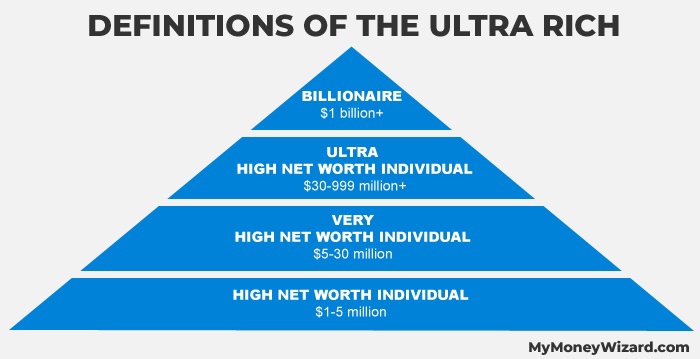
Most of the loud rhetoric about a “Wealth Tax” is done by reference to the “Fat Cats” in the “High Wealth Individual” category – the “Ultra Rich”. Let’s have a look at them (the example is from America but the same broad categories apply here):
For the individuals in the top three categories money management is highly organised. They may take a personal interest in that themselves (most do) and they can certainly employ smart people to advise them. Even with today’s tax model many of these very wealthy individuals will choose to place their money and often themselves out of the taxman’s reach offshore. Tightening up on this is possible and there are no doubt ways to do this under consideration. International cooperation is vital but post Brexit EU tax avoidance rules have no effect here. It would be a long haul.
The reality is that the modest wealth most of us have to some extent is already taxed – certainly if the asset produces income like dividends or property rentals. We can tinker with this – increase Council Tax on U.K. second homes for example. But if that leads to selling your cottage in Cornwall and buying a villa in the Algarve the taxman loses out!
The cry for a Wealth Tax is all too often driven by a wish to punish the rich rather than to significantly raise tax revenues. I personally subscribe totally to the principle “From each according to his ability, to each according to his needs” – although it was Karl Marx who said this that doesn’t make me a Marxist ! Tax the rich more than the less rich and don’t tax the poor at all. And yes assets are a subset of wealth. But the vast majority of us don’t have much in the way of wealth other than, if we are lucky, a home and income/pension.
I sense the pursuit of a “Wealth Tax” is a chimera and many who cry out for it can’t or won’t think it through.
At the age of 34 (1980) I had to learn Dutch and to work in the language. I was monolingual prior to that date. It was the most difficult but most rewarding thing that I ever did. Here are the key factors:
▪️From a certain date my Dutch colleagues (all fluent in English) only spoke to me in Dutch.
▪️I lived not in an expatriate enclave but in a 100% Dutch community. Neighbours helped enormously.
▪️I took an interest in Dutch life – politics, culture, cuisine, festivals.
▪️I watched Dutch television and read a Dutch newspaper.
▪️I had a charming teacher who took me through the language not with text books but with chats and anecdotes.
Ten years ago as a Gamesmaker at London2012 I was assigned to the Dutch Olympic team. Despite the long gap I still (just) managed with the language. 😀





 Paddy’s Blogs in a crazy world