
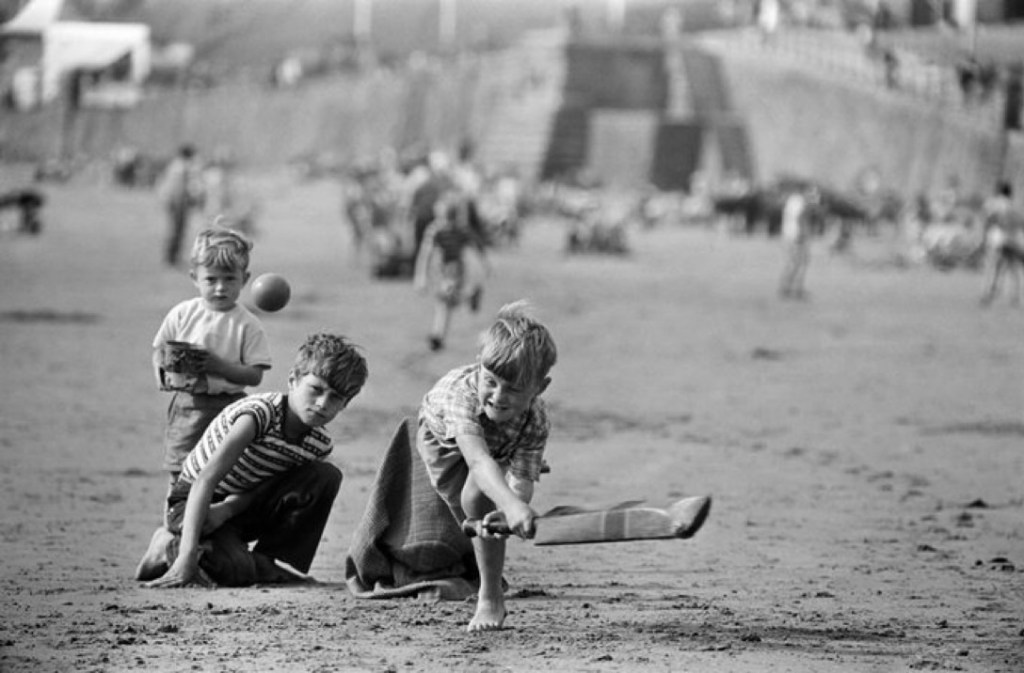
Every cricket lover has been there. All you need is a bat and a ball and something for a wicket. And someone to play with. I was Colin Cowdrey, my mate Sam was Brian Statham and Roger was Ted Dexter. It wasn’t a beach but the grass by our house at boarding school. The rules we made up as we went along but the game involved bowling, batting and fielding.
And there you have the game. French cricket, Beach cricket, Cricket as fun, cricket at the highest competitive level, cricket in the back garden with your Nan or your Aunty Minnie (a mean leg spinner in my case). It’s just another “bat and ball game” as MCC Chairman Mark Nicholas called “The Hundred” – except that Mark was wrong. It isn’t.
Yes the game is infinitely variable and always has been. And yes “The Hundred” is unquestionably authentic cricket – and the bowlers are better than Aunty Minnie. But neither her leg breaks, nor my school knockabouts threatened the professional game. The Hundred is killing it. It’s like squirrels. I like the grey ones but they are ousting the red ones. The species is under threat, as is traditional cricket.

This August there were no Test matches, we used to have a couple in that month. It meant that our Test series against India had to be squeezed into five weeks. Little or no recovery time between matches. And it’s going to get worse. The “shorter form” of the game whether it’s over 100 or 120 balls is swamping First Class and “List A”.
The shorter form is lively entertainment. The England and Wales Cricket Board (ECB) introduced Twenty20 (T20) cricket in 2003 as a professional inter-county format to address declining attendance at domestic matches, reduced sponsorship revenue, and what they saw as the need to appeal to younger audiences alienated by longer formats (like Test cricket, First Class cricket and the traditional 50 over one-day game).
The format was a new, fast-paced one innings competition limited to 20 overs per innings, designed to last about three hours and deliver exciting, accessible entertainment comparable to other popular team sports. The key word here is “entertainment” of an easily digestible type. Fast food not a banquet. As we know the creation of the Indian Premier League (IPL) took T20 into the stratosphere. Whereas the main short form sport in England is football there was no such thing in India. T20 and the IPL filled the gap.
The IPL became a huge financial bonanza. And money talks – for cricket Boards, advertisers and sponsors and, above all match hosts and players. So a format which had a pragmatic goal financially to augment the income streams of County cricket morphed into a money making bonanza across India. The ECB made nothing out of this – they hadn’t copyrighted the format.
From India “franchise” cricket spread like wildfire around the world. The grey squirrels won. The red ones entered intensive care. Kindly caring traditionalists tried to protect the species – especially in England where we’re a sucker for furry creatures . But the writing was on the wall.
The commercial and entertainment benefits of T20 cricket are clear. And whilst the traditional game will survive for the foreseeable future it is being marginalised and starved of funds everywhere except in Australia, India and – of course – England. But even here (for example) the MCC’s main concern from next season will be their financial interest in one of the “Hundred” franchises.
 Paddy’s Blogs in a crazy world