
There are three possible outcomes in Ukraine. (1) Russia wins and takes over the whole country (2) Ukraine, backed by the West, wins and kicks the Russians out. (3) There is a realpolitik negotiated settlement under which Ukraine cedes some territory to Russia.
When you think about it only outcome (3) is feasible. The Korean model if you like. In Korea the Chinese backed North was countered, in the end, by massive “UN” forces (mainly America) and stalemate resulted. The US could, as General MacArthur (amongst others) wanted, have used nuclear weapons. The fear of this helped formalise the stalemate. Again there is a parallel in Ukraine.
Some would say, with some justification , that a negotiated settlement would reward Putin’s aggression. But in truth the East of Ukraine is quite culturally and linguistically Russian. Although this has a whiff of Sudetenland logic to it redrawing the borders is just about defensible.
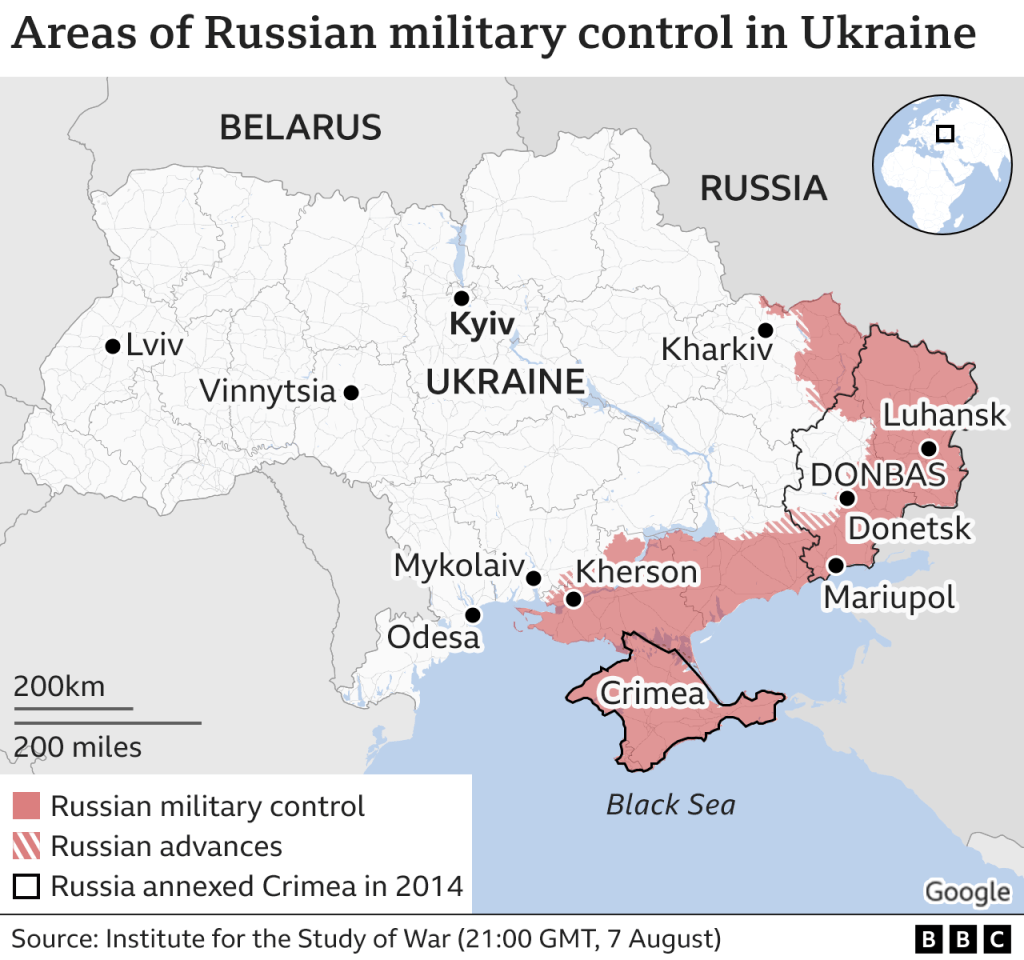
South Korea has gradually become a sort of mini Japan retaining its culture but conforming to the democratic and economic norms of the West. For Ukraine to formally become a participative European state, a member of NATO and the EU (etc.) would despite its loss of territory arguably be a satisfactory outcome.
 Paddy’s Blogs in a crazy world
I agree. Ukraine’s history since the collapse of the Soviet Union has been nothing but internal conflict—West versus East inside a territory that was always nominally unified.
The problem, however, is rewarding Putin’s military aggression. History tells us that’s a very bad idea. The conflict at the moment has been a relatively harmless WWI-type stalemate—trench warfare in the 21st Century. Now, things have changed. Sending US and UK missiles into Russia will have only one response from Russia: more missiles and, very likely, tactical Nukes.
Then what?
LikeLike