
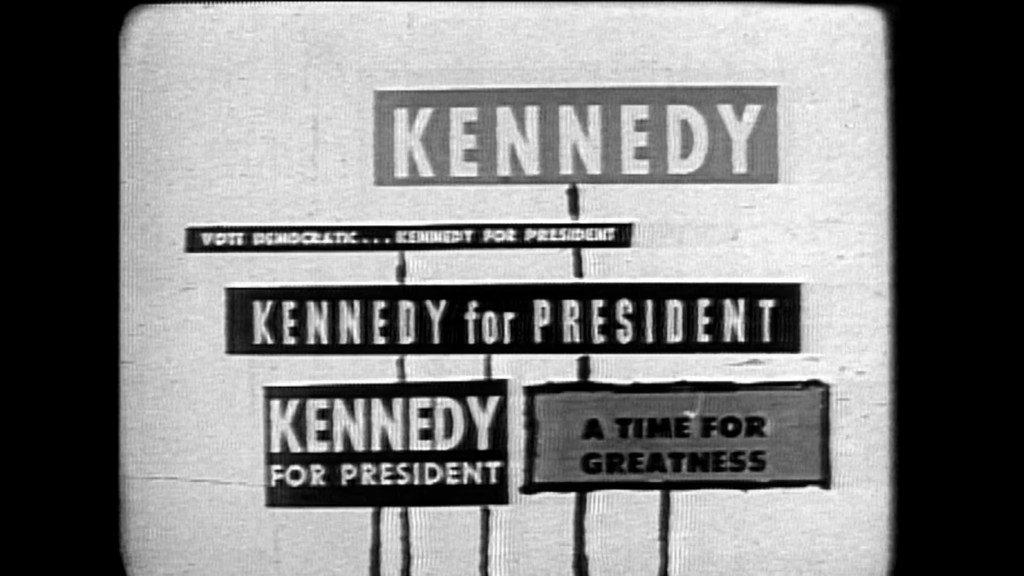
The US Presidential Election of 1960 was the first of the mass communications age. When Dwight Eisenhower was elected in 1952 around 20 percent of American homes had a TV set. Ten years later, nearly 90 percent of homes had one. Along the way, and especially in the Kennedy v Nixon election of 1960, television became the main tool of political campaigning.
In his seminal book on the 1960 election, “The Making of the President”, Theodore White showed how the extensive TV coverage of the campaigns was crucial, In particular the televised debates between the two candidates affected the outcome in Kennedy’s favour.
Electioneering changed dramatically as television ownership became ubiquitous. Where previously candidates’ rallies were seen only by those attending them now they were live in prime time.
Political advertising, mainly on television, grew enormously in the 1950s and as TV ownership increased its reach was by 1960 almost to the entire electorate.
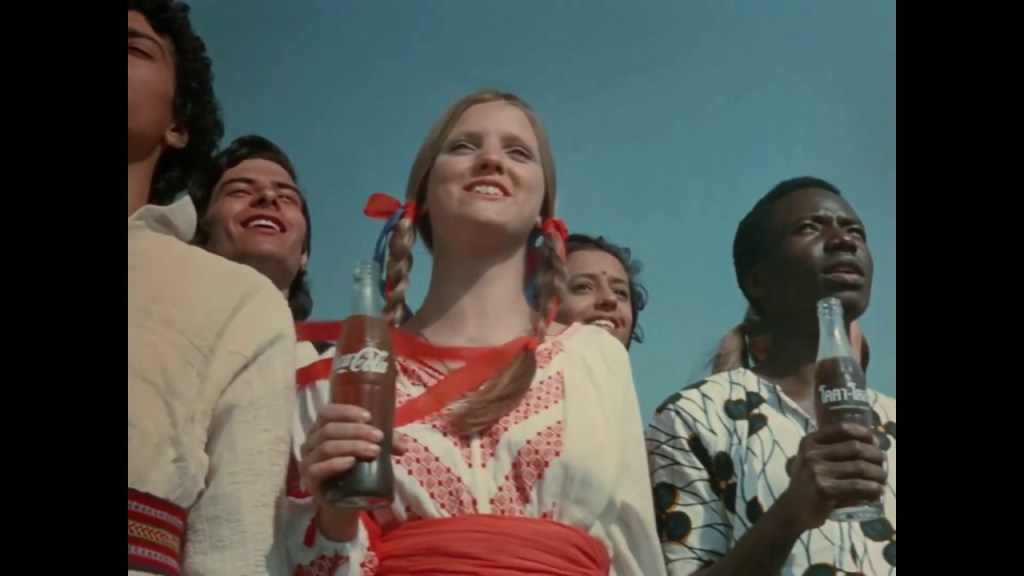
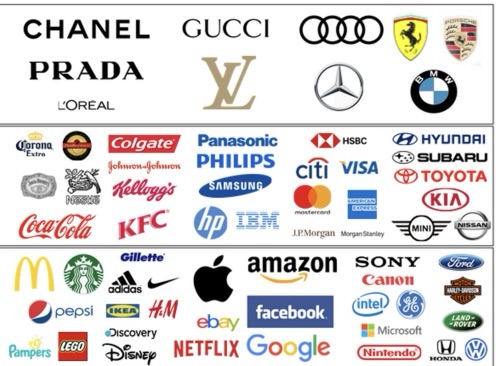
In effect politics became a branch of the communications industry and candidates became brands. By 2024 the marketing of the candidates was in technique and delivery no different from the marketing of fast moving consumer goods (FMCG). Many of the elements of the pitch for, say, Coca Cola were identical to the pitches for Trump and Harris. The jargon of branded marketing, the idea of the “Unique Selling Proposition “ (USP) for example , were important elements of the campaigns.
Visual Identity and familiarity are key aspects of brand differentiation and again this equally applies to political brands and especially to politicians. Name recognition is crucial as it is in the branded product world. Without its brand name (etc.) Coca Cola is just another sweet fizzy drink. Add into that name recognition a strong emotional USP and you potentially have a winner. Coke’s use of the 1971 popular song “I’d like to teach the world to sing” appealed to the emotions – it said nothing about rational product attributes. It didn’t need to.
In the post war era only three incumbents in the Presidential race have failed to be elected if they stood – Jimmy Carter (1980), George Bush senior (1992) and Donald Trump (2020). In brand terms choosing the familiar, the incumbent, is more common than choosing the new. But performance can matter and both Carter and Trump lost in the main because their presidencies were seen to have failed. Bush lost because Ross Perot, a third party candidate, took nearly 20% of the vote – mostly from natural Republican voters.
Roll forward to 2024 and to the decision of the incumbent Joe Biden not to stand. His presidency was generally seen to have been a success and normally a second term would have followed. With Donald Trump securing the GOP nomination Biden was, one factor aside, a logical choice. He had beaten Trump by over 7m votes in 2020. There seemed no reason why he could not do it again. Except, that is, for his age (82) and some superficial signs of failing mental capacity.
In retrospect the replacement of Biden by Kamala Harris was a fatal error by the Democrats. What name recognition Harris had was limited and she was seen to have contributed little to the success of the Biden administration in which she was Vice President. She was largely unknown – not the first Veep to suffer this fate!
Harris ran an excellent campaign along with Tim Walz, an inspired choice as running mate. The contrast with Trump was huge. We saw the ex President bumbling on stage and spouting inanities. The irony was that whilst Joe Biden had been discarded because it was perceived that he might have early onset dementia Trump’s public appearances were consistently demented ! Harris, by comparison, was bright, coherent and rational. She built her brand well in a short time. Or so we thought.
So why did Trump beat Harris? Again FMCG marketing can help us understand. Trump was by some margin the more familiar brand. Here a couple of quotes can help us. Oscar Wilde – “The only thing worse than being talked about is not being talked about.” – and the Donald had certainly been “talked about ! The second quote is attributed to Phineas T. Barnum, the 19th century circus owner “There is no such thing as bad publicity” And Trump has had plenty of that!
So does content matter or are we only selling the image – “Where’s the beef ?”. In the recent campaign the policy proposals were minimal from Harris (who focused on the risks of electing her opponent ) and often deranged from Trump. “We will immediately stop all of the pillaging and theft. Very simply: If you rob a store, you can fully expect to be shot as you are leaving that store,” he said , and that was far from his only insane proposal.
So has one collection of brand values put together as an ideology triumphed over another ? Up to a point. Trump’s choice of JD Vance as Vice President suggests that the hard right Project 2025 ideology will influence policy strongly. If Trump is only capable of inanities (a take out from the campaign) then Vance and his friends will do the policy bit. And they have majorities in the Senate, the House and the Supreme Court to help them
Trump will soon be the incumbent again and there seem to be few checks and balances to restrain him. The election suggests that in brand terms he has achieved, improbable though it may seem, what Kevin Roberts of Saatchi and Saatchi has called “Lovemark” status: “… loyalty that goes Beyond Reason?” Roberts was, of course, talking mainly about FMCG brands
The idea of “loyalty beyond reason” is in a cynical age unlikely, especially for a politician! Loyalty to Trump may not last and of course he hasn’t persuaded all the people all the time. But, again, he doesn’t need to. The triumph of identity and polemics over ability and substance should make us all uncomfortable. We live in interesting times !
 Paddy’s Blogs in a crazy world
Great piece, thanks, Paddy. I have read many theories about why Trump won. In fact, he won with almost exactly the same margin of votes when he beat Hillary Clinton. That tends to support the misogyny theory.
I’m still suffering from depression which cancels out hope for a better world. Not a good emotion. However, one theory I saw with the ring of truth suggested people voted the way they did because of resentment.
This theory suggests that the American system has infuriated people and forced them to suffer so much. Rather along the same lines as Trump who oozes the identical resentment in his speeches. That strikes a chord with the voter. Immigration, taxes and the cost of health care are the three grudges Americans feel. Add to that the cost of foreign wars and Trump’s promises to end them conned the electorate yet again.
Immigration and promises to end immigration conned the British voters in the same way and caused Brexit. I have nothing but fear and dread for the future.
LikeLike